
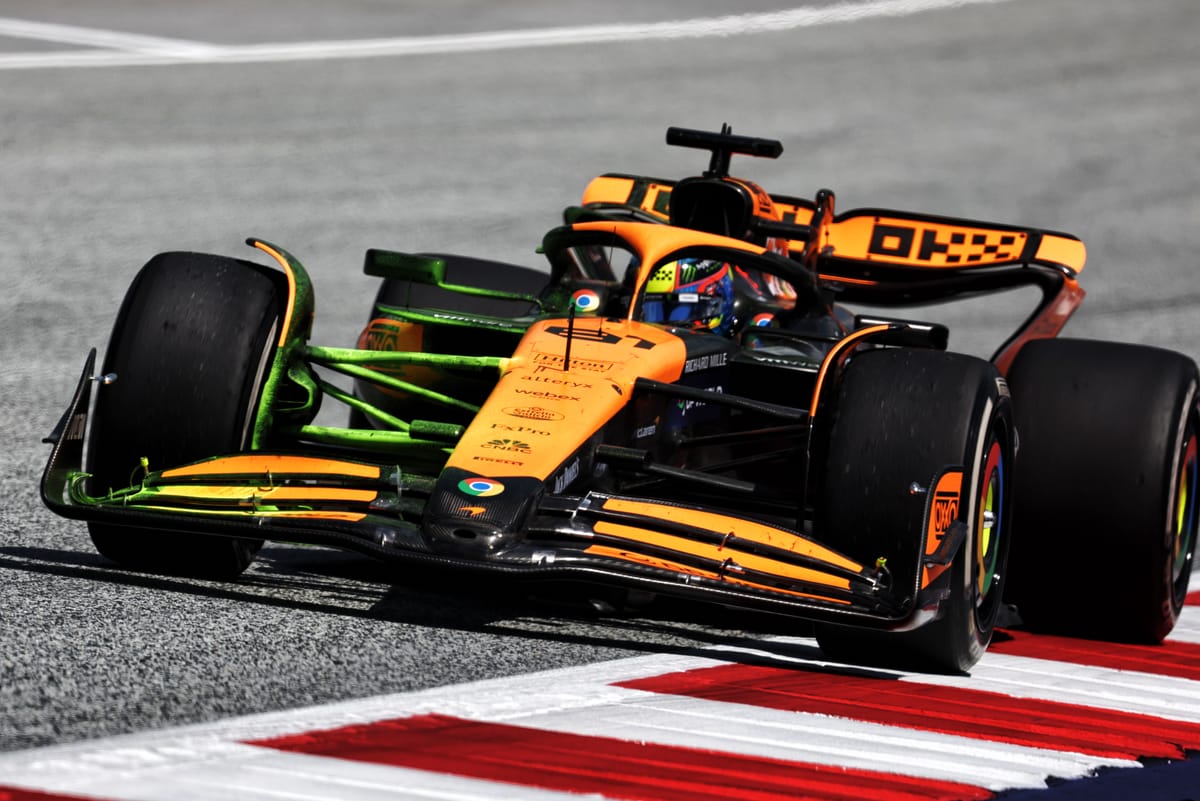
McLaren Team Principal Andrea Stella was left to watch the Chinese Grand Prix from the sidelines with both his drivers, with neither McLaren car able to start the race. He called it a "disappointing day," and it is easy to see why, with Oscar Piastri now having not started either of the first two Grands Prix of 2026.
"disappointing day,"
The double DNS (Did Not Start) represents a nightmare scenario for the Woking-based team, which has invested heavily in its Formula 1 program over recent seasons. The inability to get both cars to the grid compounds what appears to be a troubled start to the 2026 championship for McLaren, particularly given the sport's new technical regulations that came into effect this season.

Career Journey
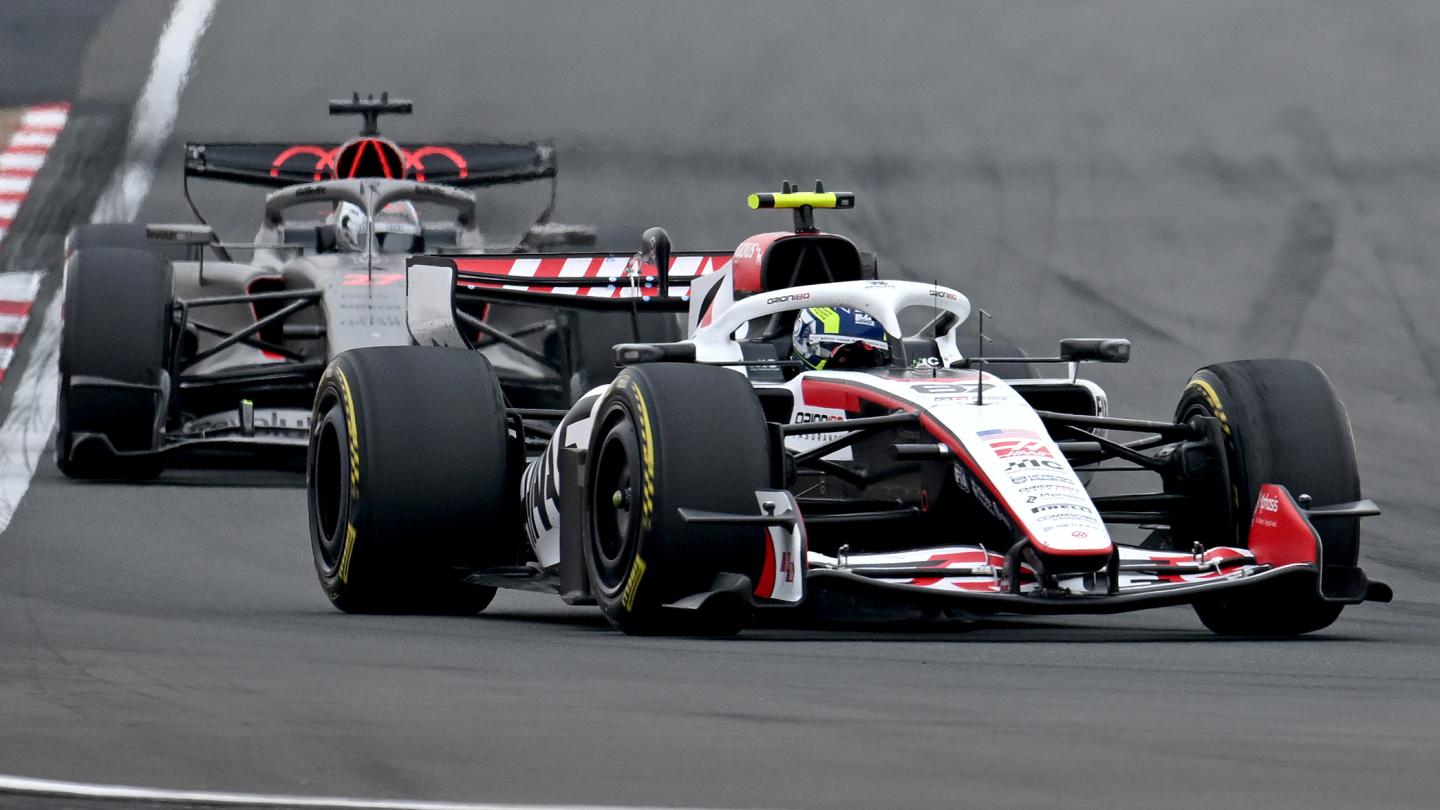
Piastri's absence from both opening rounds of the 2026 campaign is especially concerning for the Australian driver, who will be eager to build on his previous performances in Formula 1. The young talent, who has shown considerable promise in his F1 career, now faces the challenge of missing crucial early-season running that could prove vital for both championship points and technical development.
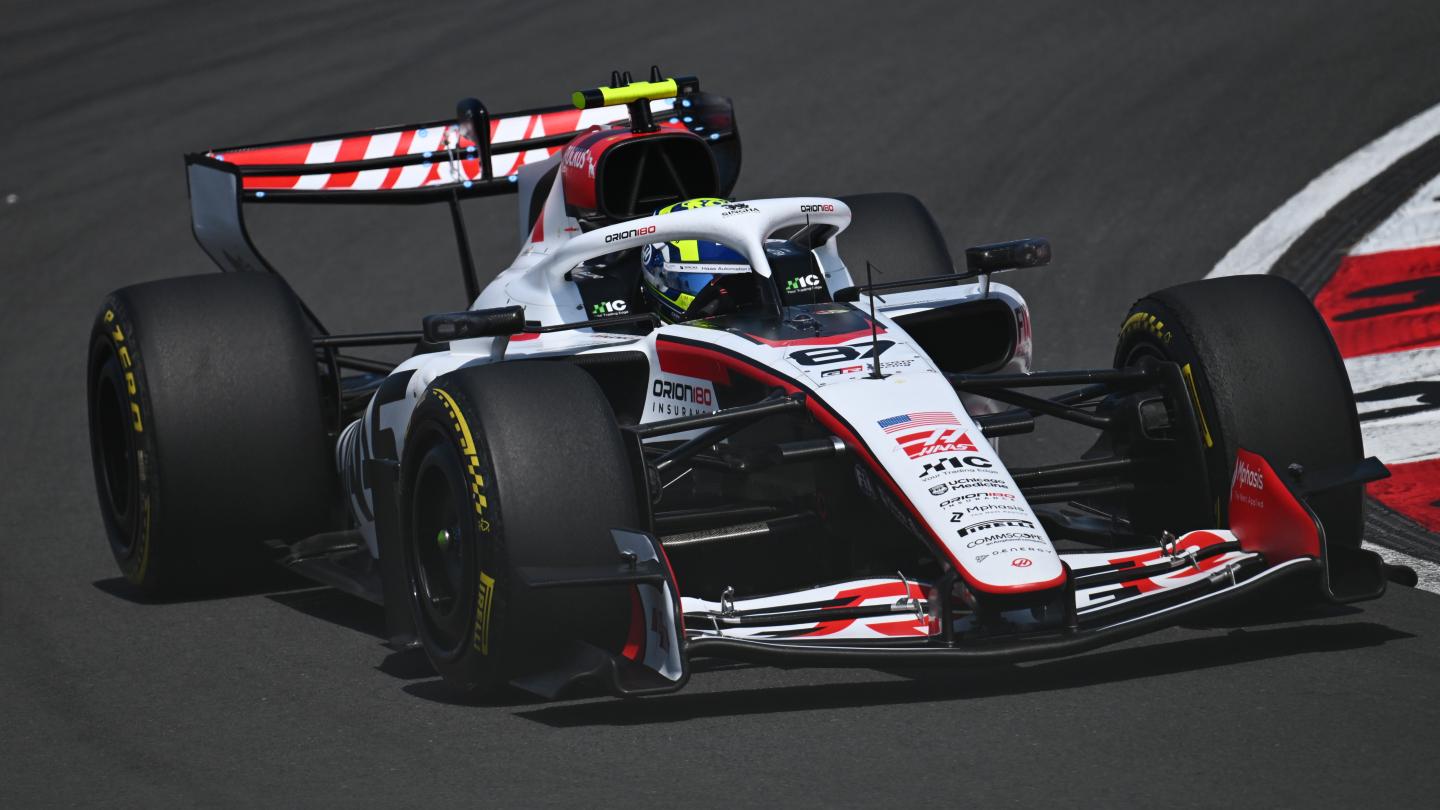
The Chinese Grand Prix DNS follows what was evidently another problematic weekend for McLaren at the season opener, creating a pattern that will worry team management and fans alike. In Formula 1, reliability issues can often cascade throughout a season, making it essential for teams to identify and resolve problems quickly.
Current Season
Current Season

Current Season
McLaren's struggles come at a particularly challenging time in the sport's evolution. The 2026 season has introduced significant technical changes to Formula 1, with new power unit regulations and aerodynamic rules that have forced all teams to essentially start from scratch in their development programs. These regulation changes, while designed to improve the spectacle and sustainability of the sport, have created a steep learning curve for all competitors.
Qualifying
The papaya-colored team has historically been one of Formula 1's most successful constructors, with a rich heritage dating back to the 1960s. The team has claimed multiple drivers' and constructors' championships over the decades, with legendary drivers like Ayrton Senna, Alain Prost, and Lewis Hamilton achieving success in McLaren machinery. However, the team has faced various challenges in recent years as it works to return to the front of the grid consistently.
Team Dynamics
Stella, who took over the team principal role from Andreas Seidl, brings significant experience from his previous roles within the Formula 1 paddock. His technical background and leadership will be crucial in navigating McLaren through this difficult period. The Italian's measured response to the setback suggests a focus on systematic problem-solving rather than panic, which will be essential for the team's recovery.
The timing of these reliability issues could hardly be worse for McLaren's championship aspirations. In Formula 1's intensely competitive environment, every point matters, and teams that fall behind early in the season often struggle to recover lost ground. With a limited number of races in each championship, the absence from two race weekends already puts significant pressure on the team's ability to compete for both drivers' and constructors' championship positions.
For Piastri specifically, the situation creates additional challenges beyond just missing out on potential points. Formula 1 drivers rely heavily on consistent track time to develop their relationship with the car, understand its characteristics, and work with their engineers to optimize setup and performance. Missing races means losing valuable data and experience that could impact his performance once he does return to competition.
The broader implications for McLaren extend beyond just the immediate championship concerns. The team's commercial partners and sponsors will be watching closely, as Formula 1 success directly impacts brand visibility and value. Additionally, the team's ability to attract and retain top talent – both drivers and technical staff – can be influenced by periods of poor performance or reliability issues.
Formula 1's current landscape is more competitive than ever, with multiple teams capable of winning races and fighting for championships. This means that any extended period of poor reliability can quickly see a team slip down both the competitive order and the crucial constructors' championship standings, which determine prize money distribution and various sporting privileges.
Looking ahead, McLaren will need to conduct thorough investigations into the root causes of their reliability problems. Modern Formula 1 cars are incredibly complex machines, with thousands of components that must work in perfect harmony under extreme conditions. Identifying whether the issues stem from fundamental design problems, manufacturing quality, or operational procedures will be crucial for preventing future occurrences.
The team's technical department will be working around the clock to ensure that both cars can participate in the next Grand Prix weekend. In Formula 1, teams typically have extensive spare part inventories and backup systems, but the specific nature of the problems that prevented both cars from starting will determine the complexity of the solution required.
As the 2026 season progresses, McLaren will be hoping that these early setbacks prove to be temporary growing pains rather than indicative of more fundamental issues. The team's response to this adversity will likely define their trajectory for the remainder of the championship campaign.