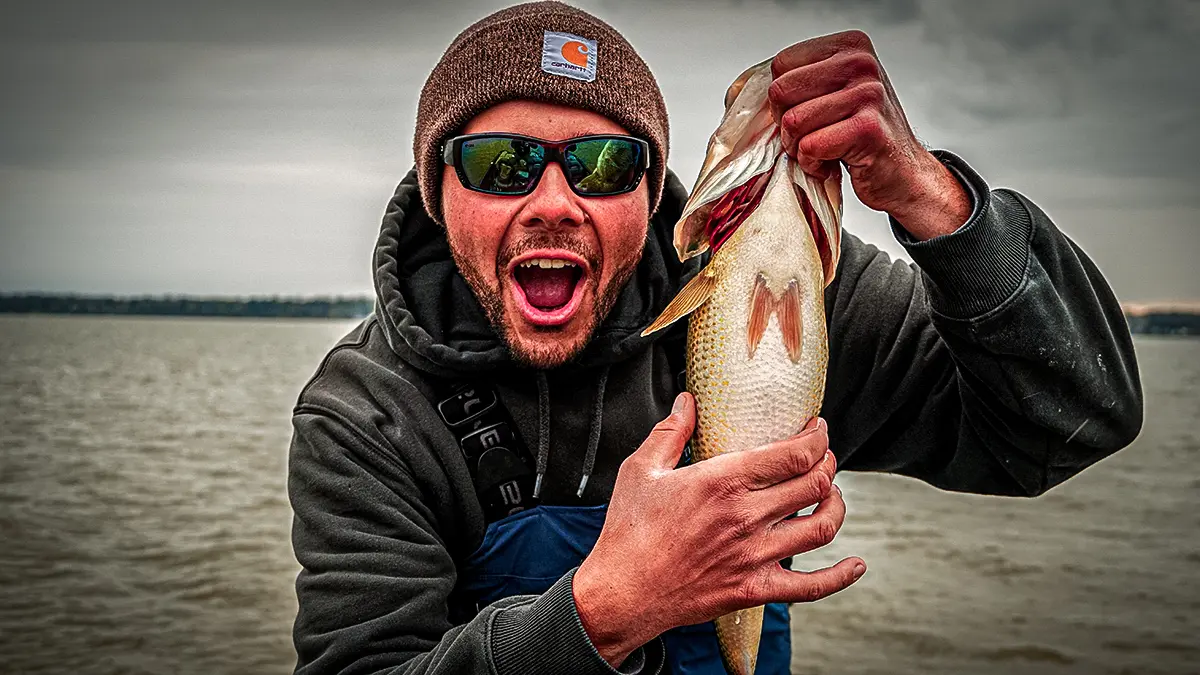
As winter's grip loosens across the northern United States, dedicated bass anglers are experiencing the familiar surge of anticipation that comes with melting ice and warming waters. The transition from frozen lakes to open water marks the beginning of one of the most productive and exciting periods in the bass fishing calendar.
"There's nothing quite like bass fishing in the spring," said an experienced angler, capturing the sentiment shared by thousands of fishing enthusiasts currently organizing [tackle boxes](/gear/tackle-box), studying fishing videos, and sharing stories from previous seasons.
"There's nothing quite like bass fishing in the spring,"
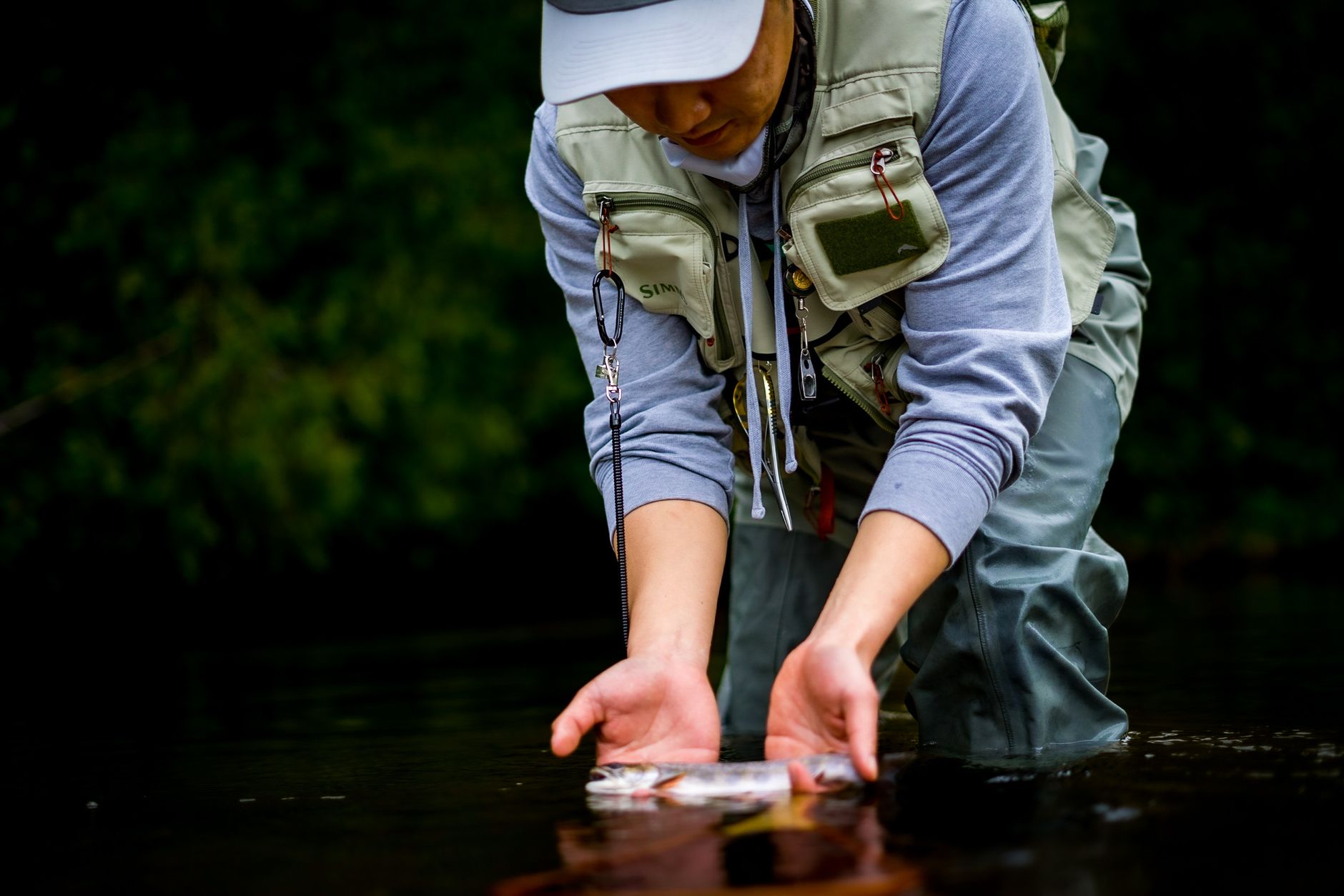
The spring awakening triggers a fundamental shift in bass behavior. After months of winter dormancy, these popular game fish emerge with one primary drive: feeding aggressively to prepare for the upcoming spawning season. This biological imperative creates exceptional opportunities for anglers willing to adapt their techniques to changing conditions.

Career Journey
The early spring period presents unique challenges that require strategic thinking. According to local fishing experts, when boat ramps show open water, other sections of the same waterbody may still harbor ice along the banks. This patchwork of conditions directly influences where bass concentrate and how they behave.
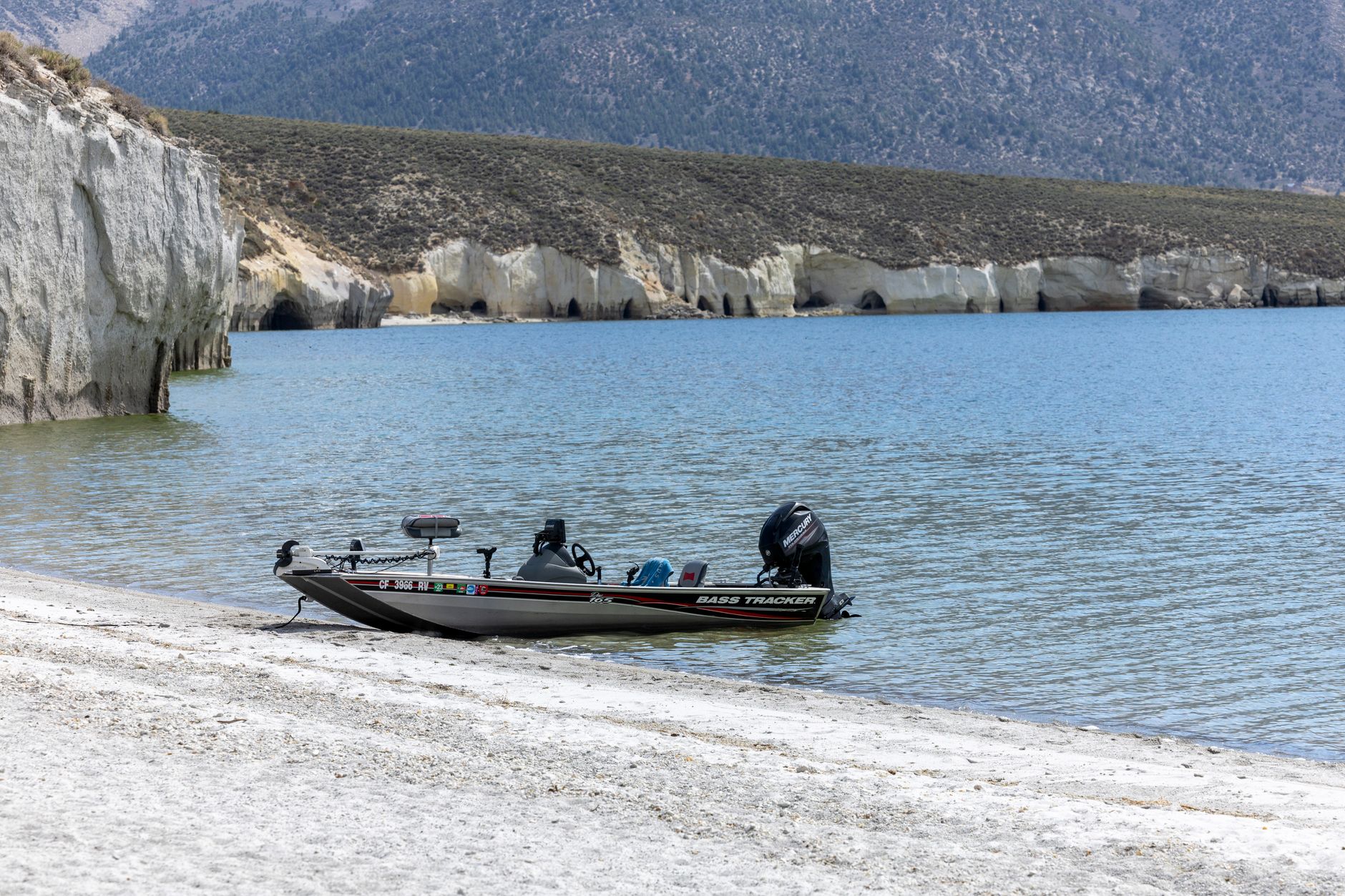
Fishing professionals recommend two primary approaches during this transitional phase: targeting deep or shallow water, with species-specific considerations driving the decision. Smallmouth bass typically remain in deeper, colder waters, positioning themselves around rock piles and boulder fields. Meanwhile, largemouth bass gravitate toward areas with concentrated forage, often in shallower zones rich in structural elements.
"The extreme shallows warm up the quickest, especially when they're full of rocks and woody debris," explained one local expert. This temperature differential creates distinct micro-climates within the same lake, with afternoon sunshine maximizing the warming effect in these critical shallow areas.
"The extreme shallows warm up the quickest, especially when they're full of rocks and woody debris,"
Impact and Legacy
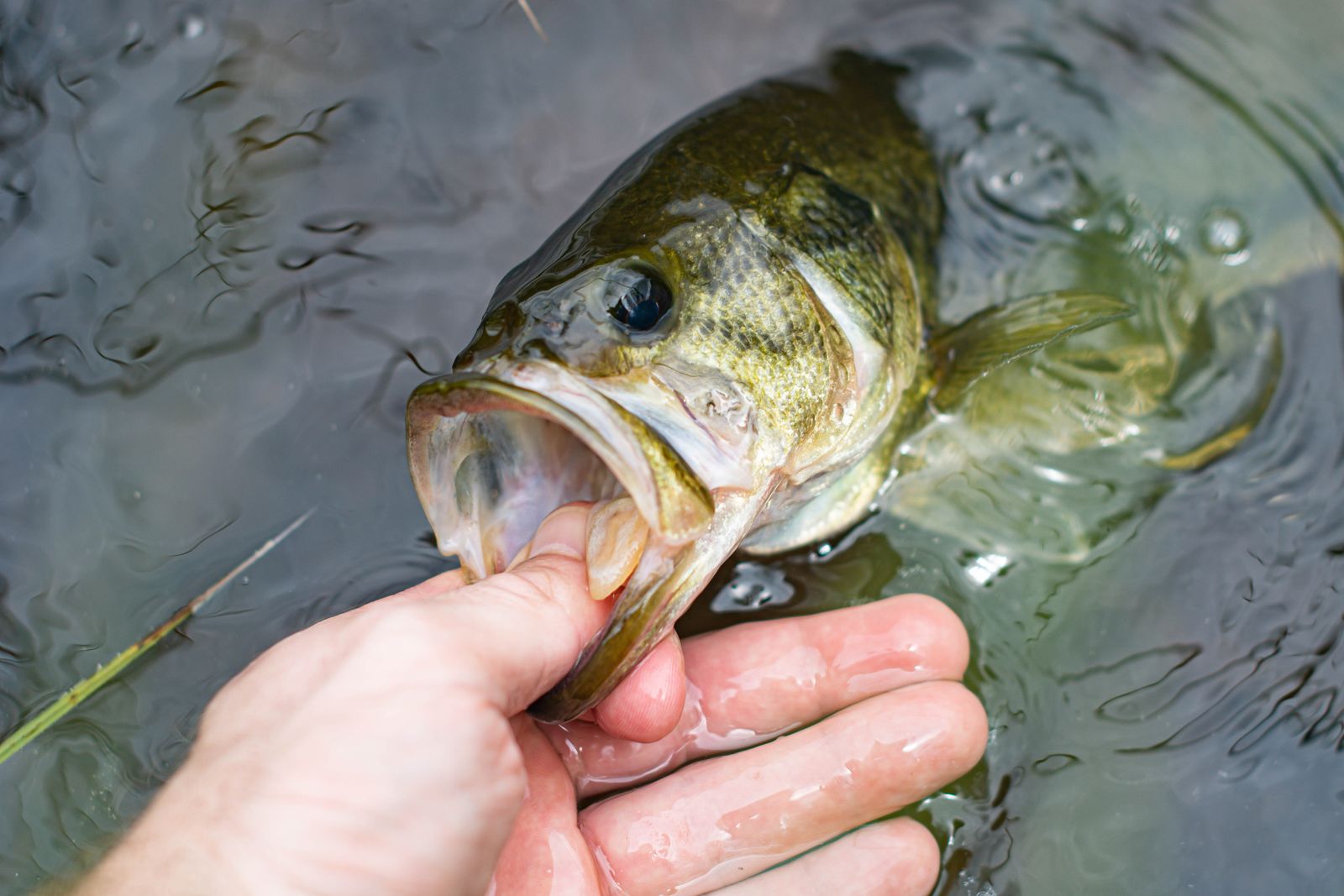
The magic temperature threshold occurs when water reaches approximately 40 degrees Fahrenheit. This milestone triggers both smallmouth and largemouth bass to venture into shallower waters, actively hunting for food after their winter fast. However, the cold water still influences their metabolism and reaction times.
Career Journey
"Even though the bass are usually pretty hungry, the water is still cold, so presenting a bait that will suspend in front of their face is crucial for picking up bites," advised a seasoned bass fisherman. This insight highlights the importance of technique selection during early spring conditions, where traditional aggressive retrieves may prove less effective than methodical presentations.
"Even though the bass are usually pretty hungry, the water is still cold, so presenting a bait that will suspend in front of their face is crucial for picking up bites,"
Technique variety becomes essential as conditions change. Anglers report success with everything from jerkbaits that mimic struggling baitfish to chatterbaits that create vibration and flash in the still-cool water. The key lies in matching lure selection to water temperature and bass activity levels.
Mid to late April represents the peak of spring bass fishing excitement. As water temperatures climb into the 50-degree range, bass feeding behavior intensifies dramatically. This period ranks as a favorite among experienced anglers due to the high probability of success and the potential for trophy catches.
"Both species are cruising the shallows looking for their next meal," emphasized the local expert, noting that this aggressive feeding phase often produces personal-best fish for dedicated anglers.
"Both species are cruising the shallows looking for their next meal,"
However, the spring fishing experience involves more than just catching fish. The approaching spawning season introduces important ethical considerations that responsible anglers must navigate carefully. Smallmouth bass begin spawning activities around 55 degrees, while largemouth bass typically wait until water temperatures reach the low 60s.
The spawning period creates a complex dynamic between fishing opportunity and conservation responsibility. Tournament schedules often coincide with peak spawning activity, forcing anglers to balance competitive success with fish welfare.
"Hammering bass during the spawn can be a touchy subject, especially because tournaments are often in full swing," noted one veteran fisherman. The ethical dimension of spawn fishing has generated considerable discussion within the angling community.
"Hammering bass during the spawn can be a touchy subject, especially because tournaments are often in full swing,"
When targeting bedding bass, catch-and-release practices become particularly crucial. Spawning represents one of the most stressful periods in a bass's lifecycle, making gentle handling and quick releases essential for fish survival and reproductive success.
"The more effort they put into fighting you on the way to the boat, the less energy they have to protect their nest once released," stressed the expert, highlighting the direct connection between angling practices and fish conservation.
"The more effort they put into fighting you on the way to the boat, the less energy they have to protect their nest once released,"
Both bass species construct nests in shallow waters where optimal light penetration supports healthy egg development. Clear water conditions enhance this natural process, contributing to sustainable fish populations for future generations.
Successful spring bass fishing requires continuous adaptation as conditions evolve rapidly. Water temperature changes, weather patterns, and fish behavior all influence daily fishing success. Timing becomes critical, with respect for spawning bass serving as a cornerstone of responsible angling.
As each warm spring day arrives, the excitement builds among fishing enthusiasts eager to test their skills against hungry, aggressive bass emerging from winter's dormancy. The combination of favorable conditions, active fish, and perfect weather creates memories that sustain anglers through another full year of anticipation.