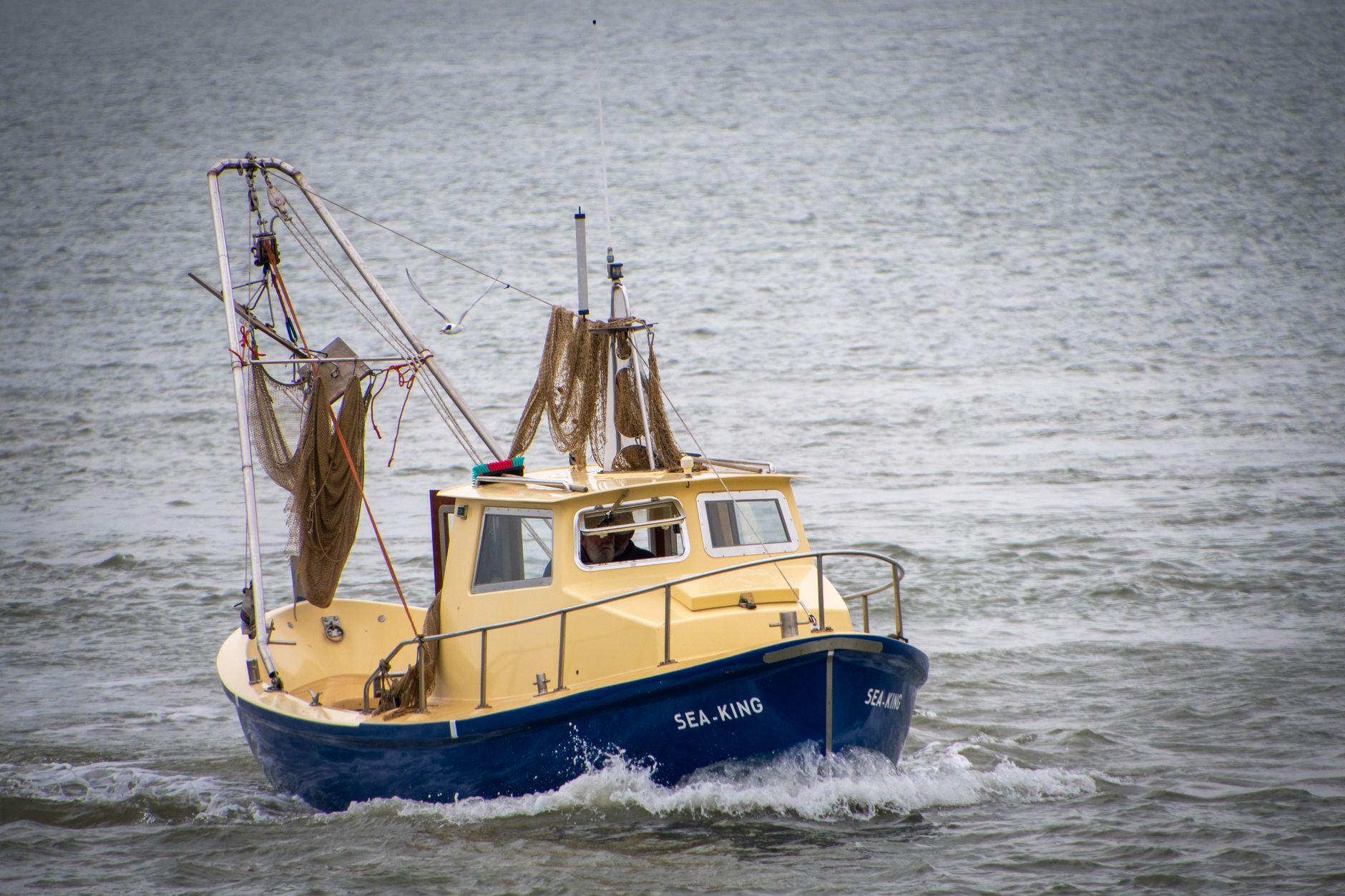
Ocean salmon are back on the menu for North Coast anglers for the first time in three years, a milestone that closes out one of the longest closures in the California fishery's history.
Regulators shut the state's salmon season in 2023, after fall-run Chinook — the stock the ocean fishery leans on — fell to dangerously low levels. The commercial fleet sat idle right through 2025. In 2026 the season came back in stages, and by the height of summer recreational boats working the water off Sonoma and the North Coast were into more fish than most had dared hope for.
Capt. Mike Harbarth, who runs Sonoma Coast Adventures, reported "miles and miles of salmon" off the Sonoma Coast, with anglers working to a two-fish daily bag. He was in no rush to call the fishery healed: "We're at a little less than half throttle right now," he said.
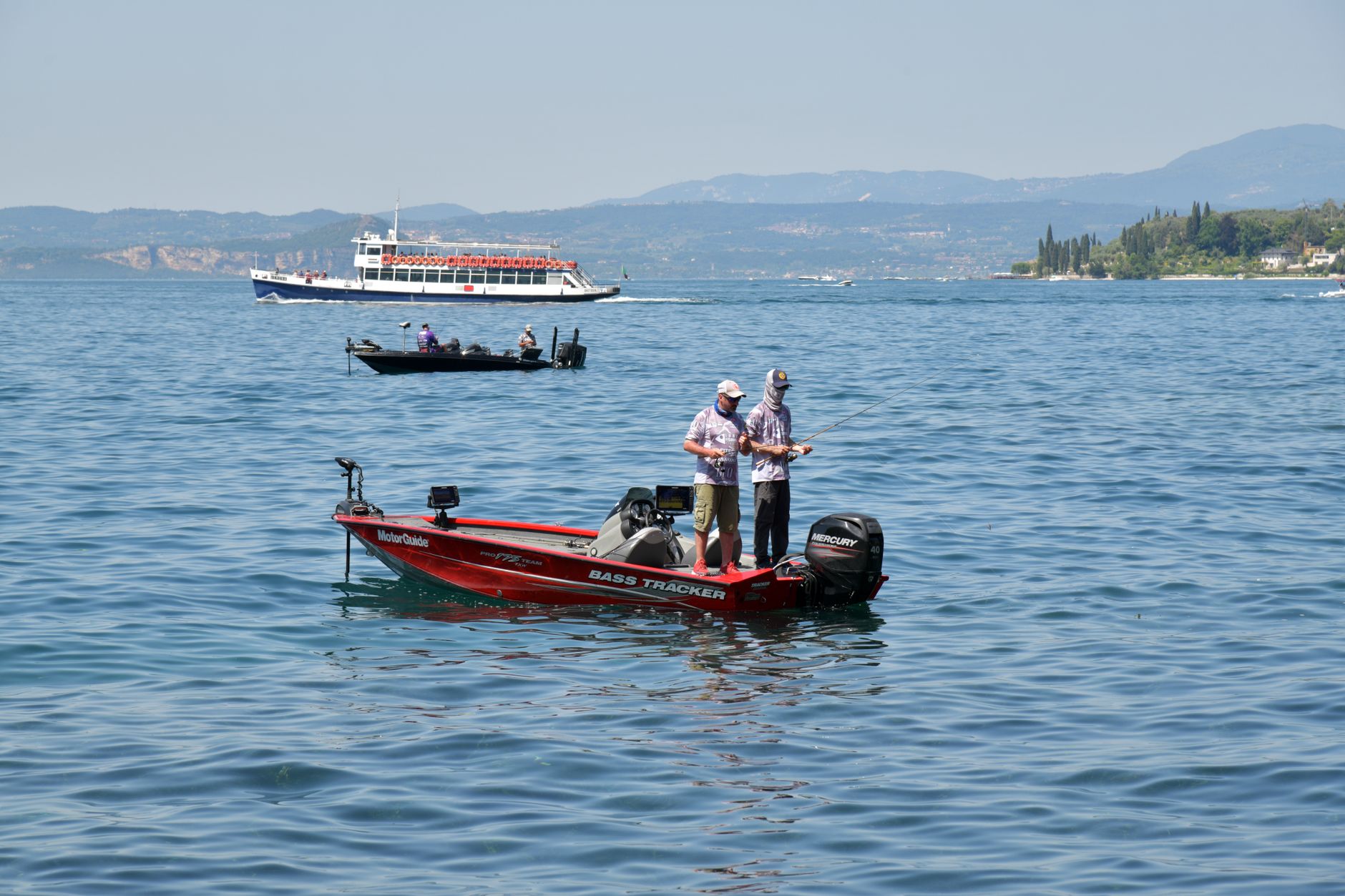
The commercial side is a harder story. Crews had landed roughly two-thirds of an 83,000-fish quota by July 1, a sign of strong early effort — but three blank seasons hurt.
"It basically took away what summer income these guys have," said Dick Ogg, a commercial fisherman who heads the Bodega Bay Fishermen's Marketing Association. "When you look at the cost of a vessel, the cost of a permit, the cost of fuel and then trying to maintain crew and insurance, it's a difficult situation."
Washington has helped cushion the losses. NOAA put up $21.3 million in disaster relief in June 2026, on top of $20.6 million paid out in 2024 — even so, the industry estimates it lost about $90 million in the closure's first two years alone. John McManus of the Golden State Salmon Association singled out the area's representative for the aid: "Congressman Huffman was fierce in his pursuit of that disaster relief."
Researchers are urging restraint before anyone declares victory. In an essay for The Conversation, UC Santa Cruz scientists Eric Palkovacs and Steven T. Lindley pinned the collapse on the punishing 2020–2022 drought, which dropped river flows and warmed the water just as juvenile salmon headed downstream. The state's Chinook had slid about 85% below their pre-2005 average, they wrote, with roughly 90% of historic spawning grounds now walled off by dams.
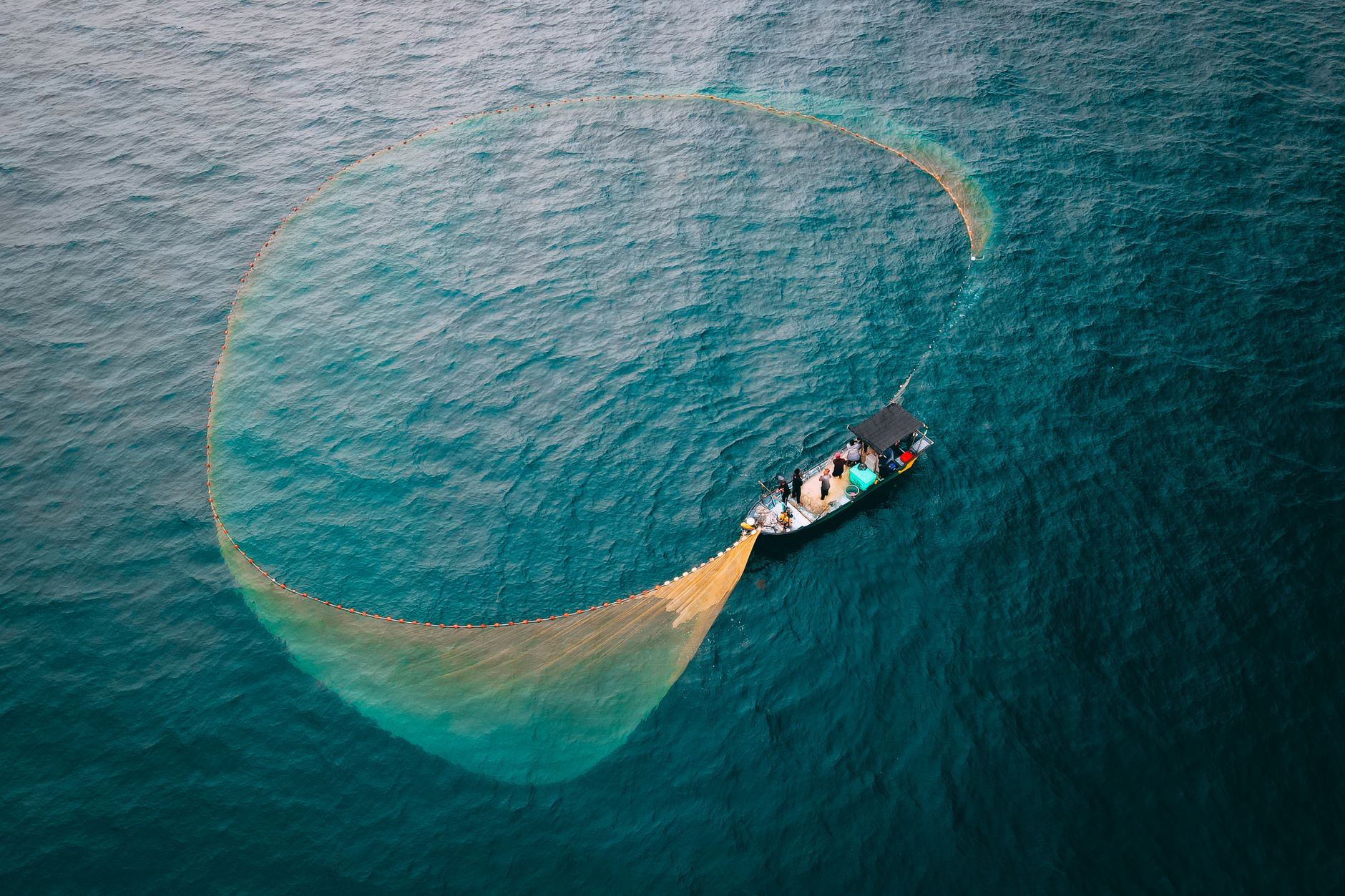
Their verdict on the reopening was blunt: "Today's good news for salmon could be short-lived once again," unless California fixes water management, hatchery practices and habitat all at once. "Any single action in isolation ... is unlikely to work."
For the North Coast fleet, though, the season is a welcome one — three years ashore, and finally a reason to fire up the engines again.