
A South Australian conservation group is demanding the state reinstate a seasonal ban on commercial rock lobster fishing inside whale migration and calving corridors, warning that gear left in the water during breeding season is putting endangered southern right whales at risk.
The call follows the discovery of a length of commercial fishing rope washed ashore at Encounter Bay, near Victor Harbor, on the morning of Monday 2 June. Conservationists described the synthetic line as a "ghost net" — lost or discarded gear that can drift for months and entangle marine life long after it has served any purpose.
Elizabeth Steele-Collins, a spokesperson for the Fleurieu Peninsula-based Encounter Whales Conservation Group, said the situation exposed a contradiction in how the state manages a protected species. "What's the point of having a National Recovery Plan for an endangered species and then effectively putting a minefield across its migration corridor during breeding season?" she said.
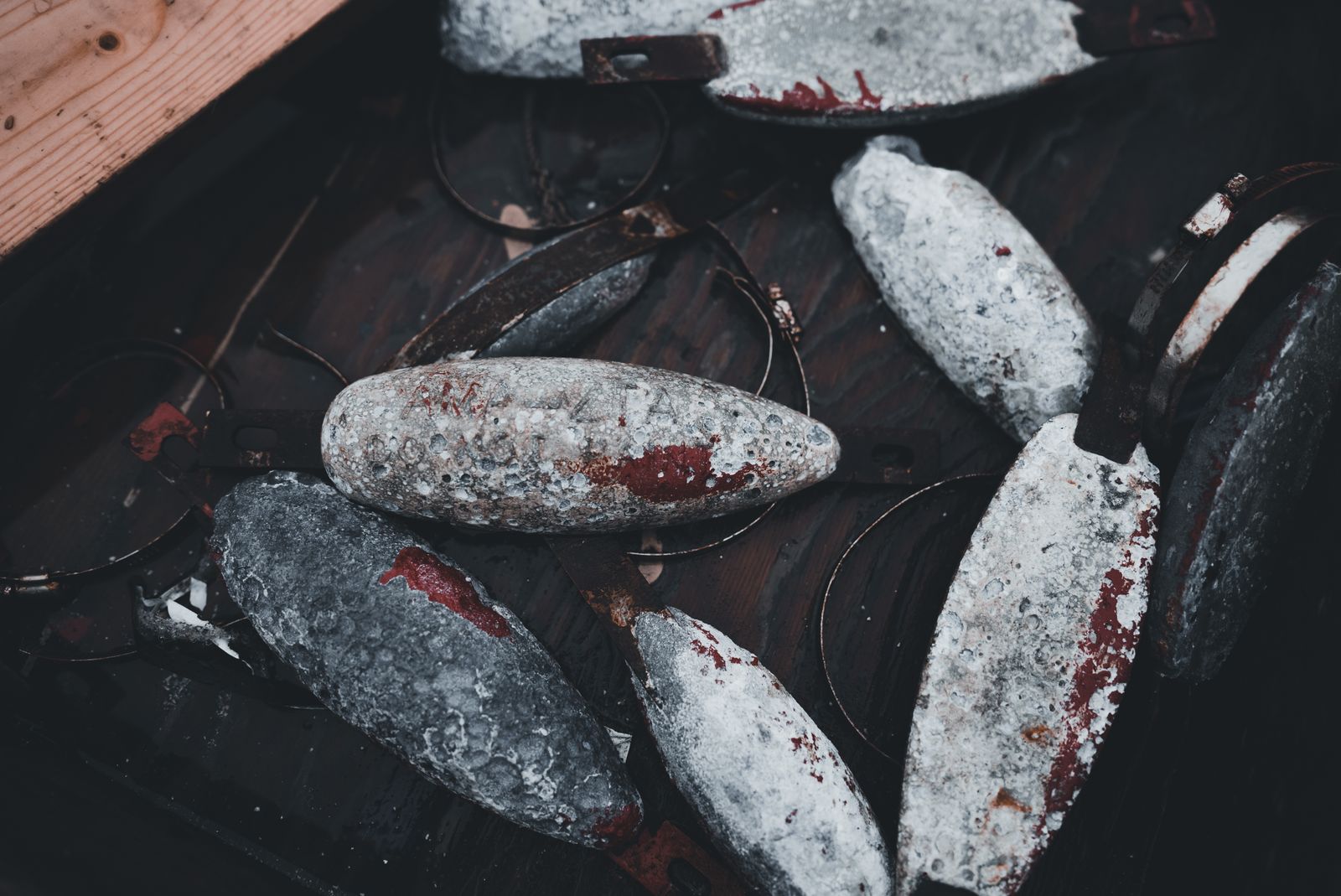
Encounter Bay, between the Bluff and Kings Beach, is recognised as a whale nursery area and is one of the most important calving grounds for southern right whales along South Australia's coast. Humpback whales also pass through the region on their seasonal migrations. The group wants commercial rock lobster gear kept out of those waters during the months when whales and their calves are present.
A seasonal closure once applied to the area. According to the group, the ban was in place before the COVID-19 pandemic, then temporarily lifted to support rock lobster operators through a difficult trading period. In 2023, year-round commercial fishing in the zone was made permanent — a decision conservationists now want reversed for the migration window.
The state's fisheries authority, PIRSA (Primary Industries and Resources South Australia), defended the current arrangements. It said there had been no reported whale interactions in the Northern Zone Rock Lobster Fishery since the 2007-08 season, and no disentanglements had been required since the seasonal closure was removed in 2023. PIRSA pointed to mandatory reporting requirements and an industry Code of Practice as existing safeguards.
For the wider fishing community, the dispute sits at an uncomfortable intersection. Rock lobster is one of South Australia's most valuable commercial fisheries, and operators argue they already work under strict rules with a clean recent record. Conservationists counter that the absence of reported entanglements does not prove gear poses no threat — only that no incident has been documented and confirmed.
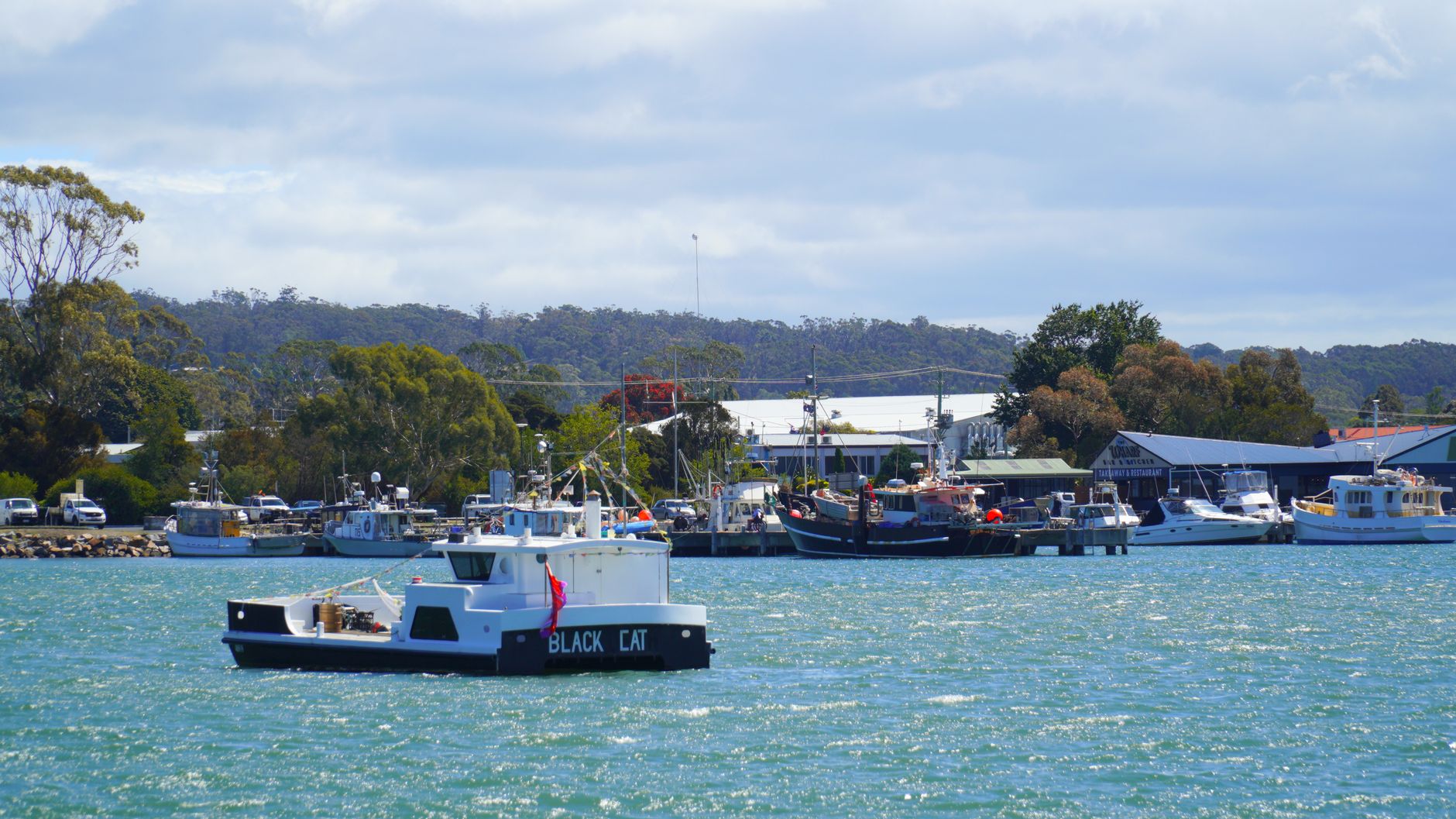
Entanglement remains one of the most serious hazards facing large whales worldwide. Ropes connecting surface buoys to seabed pots can wrap around a whale's tail, flippers or mouth, leading to slow injury, exhaustion or drowning. Calves, smaller and less experienced, are considered especially vulnerable.
With the migration season underway and southern right whale numbers still recovering from centuries of hunting, the Encounter Whales group argues the precautionary path is clear: clear the corridor while the whales are using it. Whether the state revisits a closure it only recently made permanent may shape how South Australia balances a lucrative fishery against the recovery of one of its most iconic visitors.