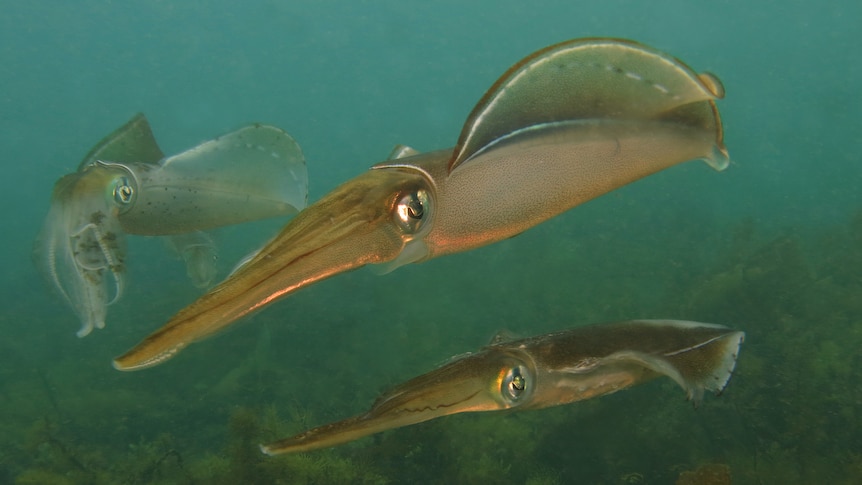
South Australia has imposed a total closure on southern calamari catches across both Gulf St Vincent and Spencer Gulf from May 1, with new restrictions also applying to garfish and King George whiting, even as Premier Peter Malinauskas declared the state's marine algal bloom 'effectively clear' from almost all of the coast.
The new rules apply to both recreational and commercial fishers and represent the most aggressive intervention yet in a saga that has decimated stocks across SA's two major gulfs since the bloom was first detected in March 2025.
Malinauskas said the government had moved out of crisis mode and into recovery, but warned that some species remained in deep trouble.
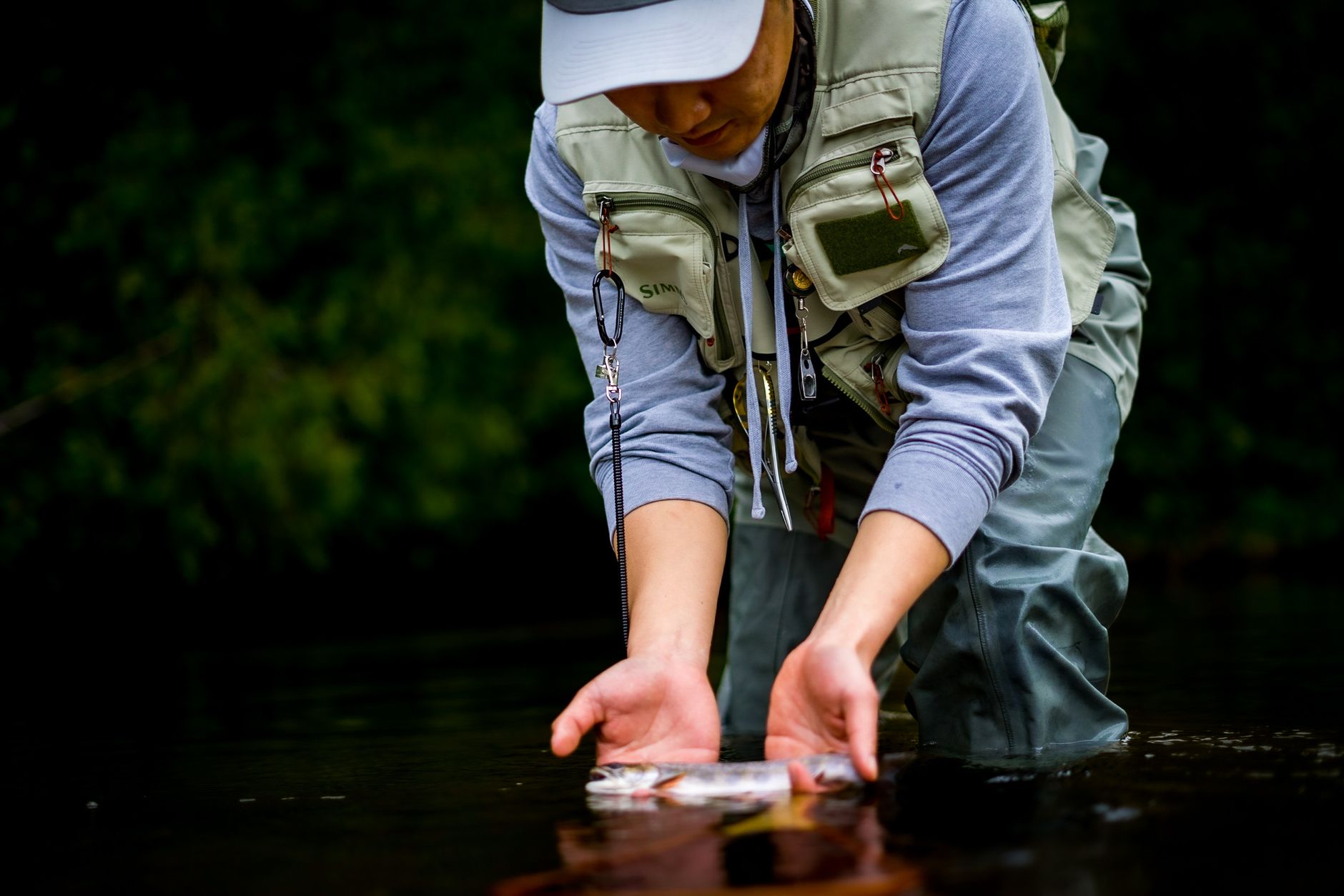
"We've gone from collecting something like 9,500 kilos a week of dead marine life to now less than 50," the Premier said. "We are not seeing it arriving on our shores anything like what we saw at the height of the bloom, so now is the time of course to wind back those efforts."
Weekly water testing in metropolitan Adelaide and other parts of the state will drop to a monthly schedule, the Beachsafe app updates will be scaled back, and the algal bloom hotline will be wound down. Beach signs will come down at any site that records four consecutive weeks of zero or low Karenia readings.
"There is very little sign of calamari in either the Gulf of St Vincent or the Spencer Gulf," he said. "There have already been significant calamari closures but now they are being extended across both gulfs for recreational and commercial."
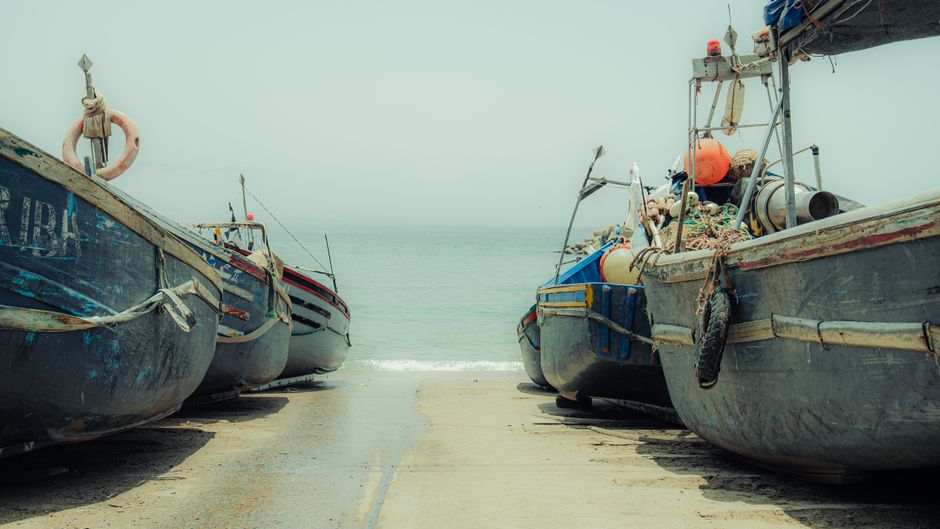
The move was backed by RecFish SA executive director Asher Dezsery, who acknowledged the cost to anglers but said it was unavoidable.
"There are no catches of calamari currently occurring, but there are some eggs being observed," Dezsery said. "We all have to come together as a community and make sure that we support these species as they recover, and I don't think we will hear many arguments over making sure that these fish bounce back as fast as possible."
For commercial operators, the new closures are biting hard. Port Lincoln-based fisher Jarrod Day said his catch volumes were a fraction of what they should be, but he supported the measure.
"It's sort of hard to swallow, but the fact is the species needs to be looked after, and looked after sooner rather than later," Day said. He added that recent trips were yielding around 10 kilograms of calamari, well short of the 50-plus he would have expected on an average day pre-bloom.
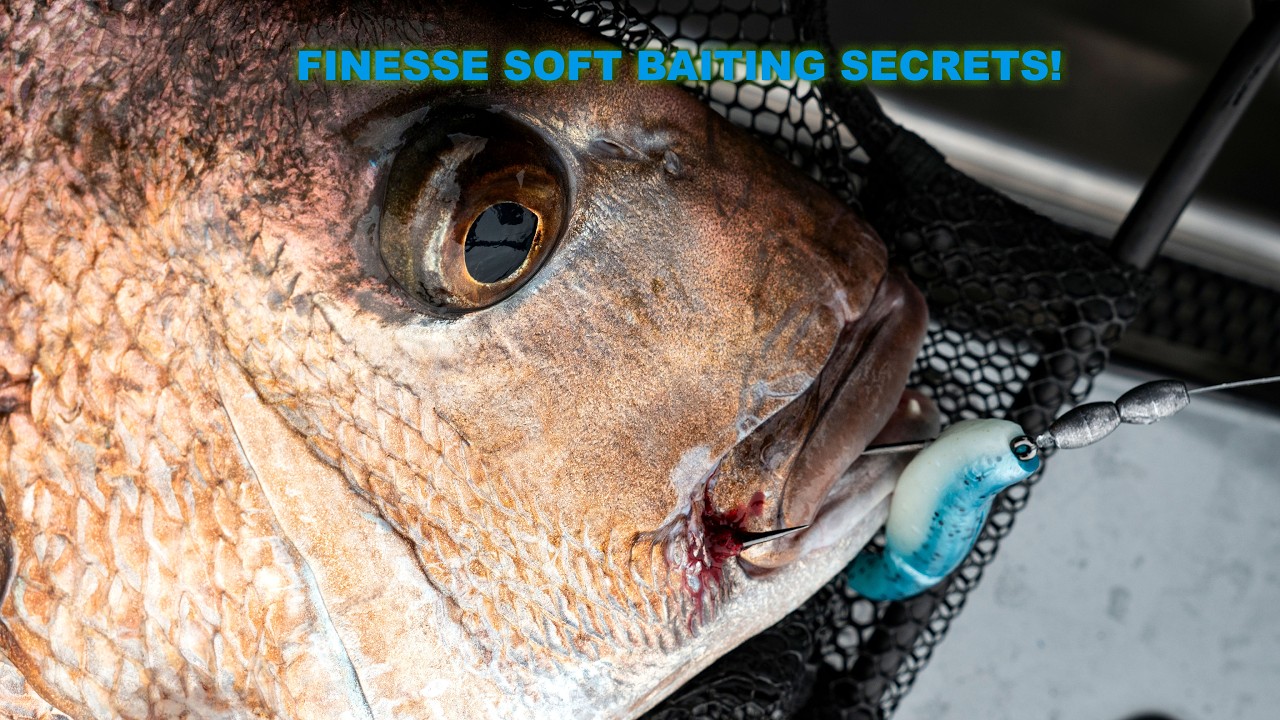
"Small quantities are getting caught at the moment. We are still catching, but very, very small amounts, not really what I'd call large commercial quantities," he said. "The price has been quite good for calamari because of the lack of supply, but that doesn't necessarily make up for the lack of fish."
Gulf St Vincent fishers have previously gone further. Ardrossan calamari operator Michael Pennington warned the ABC before Easter that all key species in the gulf were near non-existent.
"All key species in Gulf St Vincent are near non-existent levels," Pennington said.
Marine scientist Mike Steer, executive director of the South Australian Research and Development Institute (SARDI), said the data justified scaling back monitoring but stopped short of declaring victory.
"The job is not done," Professor Steer said. "We've learnt a lot over the past year and there's still some research gaps that need to be filled to ensure that South Australia remains prepared in case this flares up again."
For recreational anglers, the message from the Premier was equally cautious. "Is it good news that the algal bloom is gone? Of course it is," Malinauskas said. "The coast is effectively clear. The algal bloom has essentially cleared up and not been with us for a long time, but it's also true that it might come back, which is exactly why we've got to continue to invest in the monitoring and the research efforts."