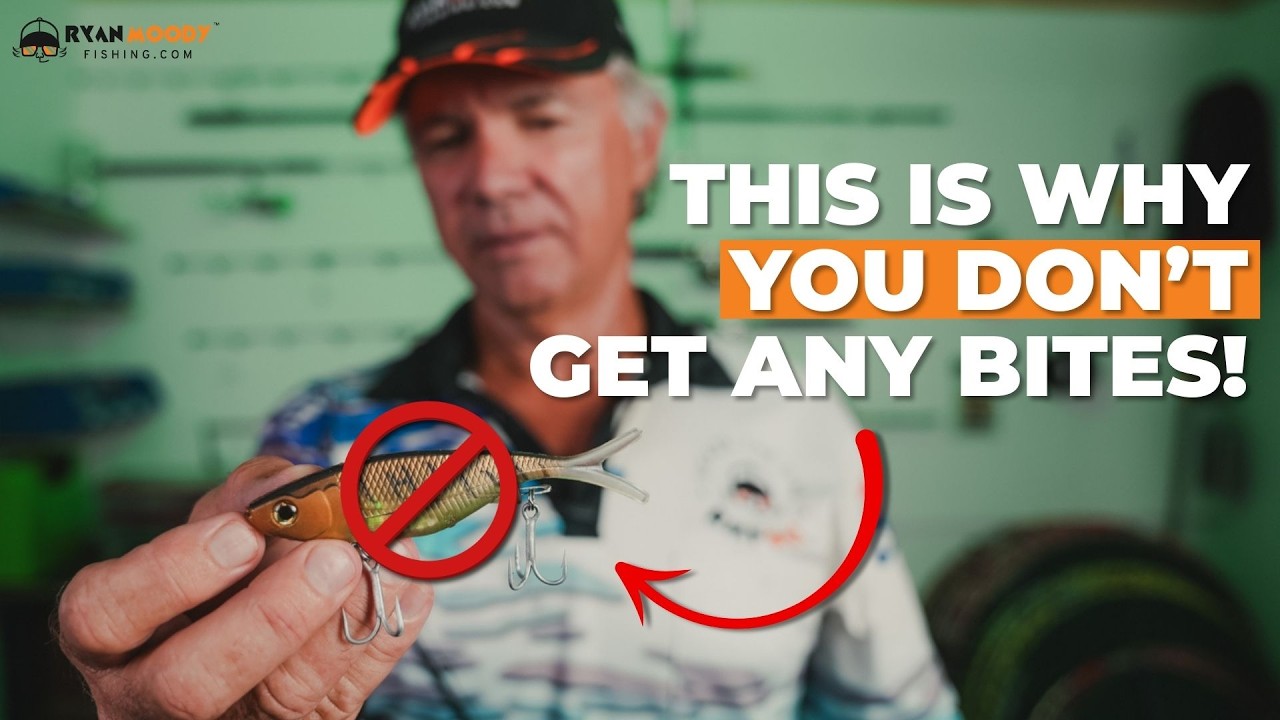
Ryan Moody spent decades guiding clients onto inshore reef and estuary species off the Queensland coast, and for most of those years the vibe was his go-to soft-plastic. In a video posted to his Ryan Moody Fishing channel on 14 May 2026, he made it clear that has changed. The lure he reaches for first now is a slower-sinking stick bait — and the reason is purely about how long the lure spends in the strike zone.
"For many years during my charter fishing career, we used to use vibes for many inshore estuary species and out around the islands and even offshore as well," Moody told viewers. "They're a great versatile plastic."
The trade-off, as he sees it, lives in the physics. A vibe's nose-weighted ballast makes the lure dart on the lift but plummet on the drop. "They vibrate on the way up to resemble a fish, but they fall very quickly because the weights are mostly towards the front part of the vibes and they fall very quickly flat back down to the bottom," Moody said. "So sometimes it can limit the reaction time for fish to bite, because fish bite on the fall. They don't bite while it's going up. Only a pelagic will do that."
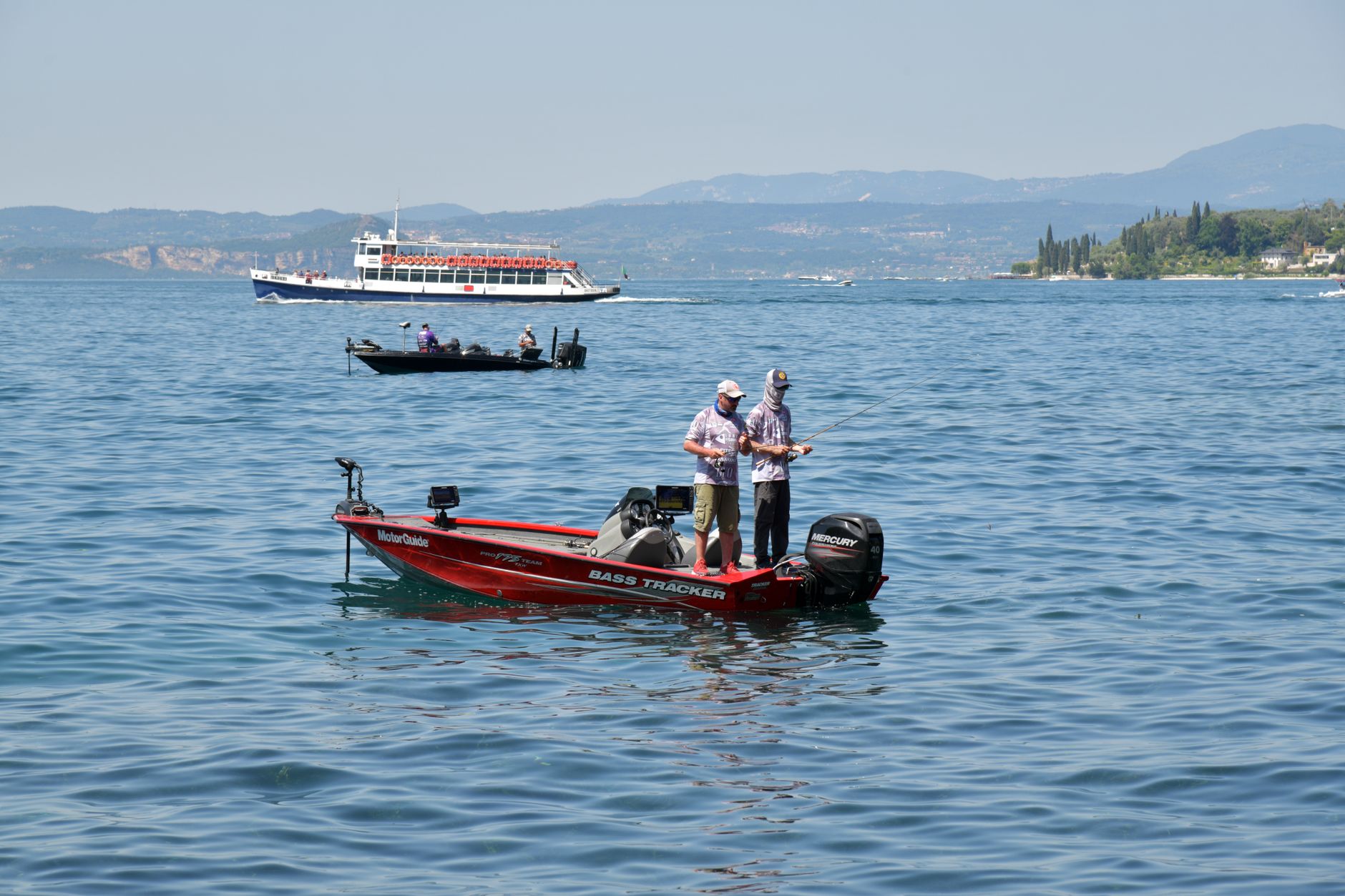
For demersals — the snapper-class and reef-orientated fish his clients chased most — that quick fall is a problem. The bite window is the descent, and a vibe shortens it. Moody's solution is a 36 g sinking stickbait, his own Pillager pattern, that weighs the same as a typical inshore vibe but glides instead of plunges.
"This one, our 36 g Pillager, is about the same weight as this one here, but the sinking stick bait will sink at half the speed of the vibe simply because of its action," he said. "You can jig it up any way you like — erratically, try a few short bounces, one quick rip up in the air, and when it comes down, what this lure does is it flutters. It takes a lot longer to get to the bottom than a vibe, so it gives the fish more reaction time to bite it on the fall."
None of this is to write the vibe off, he was careful to note. The point is opportunity cost.
"At the end of the day, vibes still work," Moody said. "But if you want to increase your bites, especially when fishing deep structure, sinking stick baits have just a more natural presentation. That is why I get more bites out of these than I do vibes."
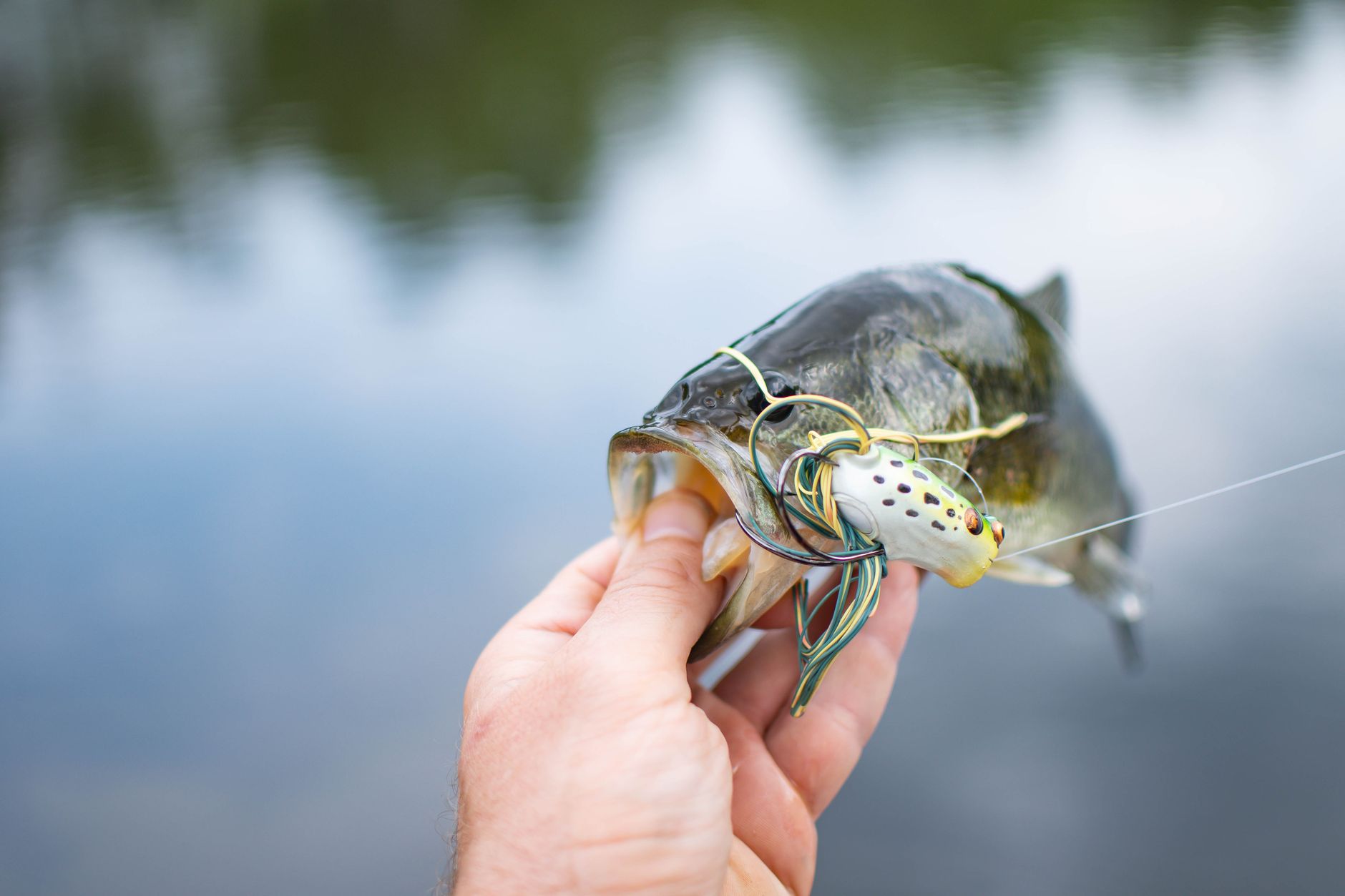
His retrieve advice tracks closely with what he taught on charter trips. There is no perfect cadence; it is a daily puzzle. "Just toss it up on the day and see what the fish like," he said. "It could be different from one day to the next. Do they like an erratic lure? Do they like it moving slow? So that's the kind of thing you need to do. Play with the retrieve up and just let it fall back to the bottom."
It is, of course, partly a product pitch — the Pillager sells through Moody's online tackle shop — but the underlying principle is one any inshore angler can test in a session. Same depth, same structure, same retrieve cadence, swap a vibe for a slow-falling stickbait, and let the bite-rate decide.
"Try them next time you're out there, and I bet you'll notice a difference," he said.