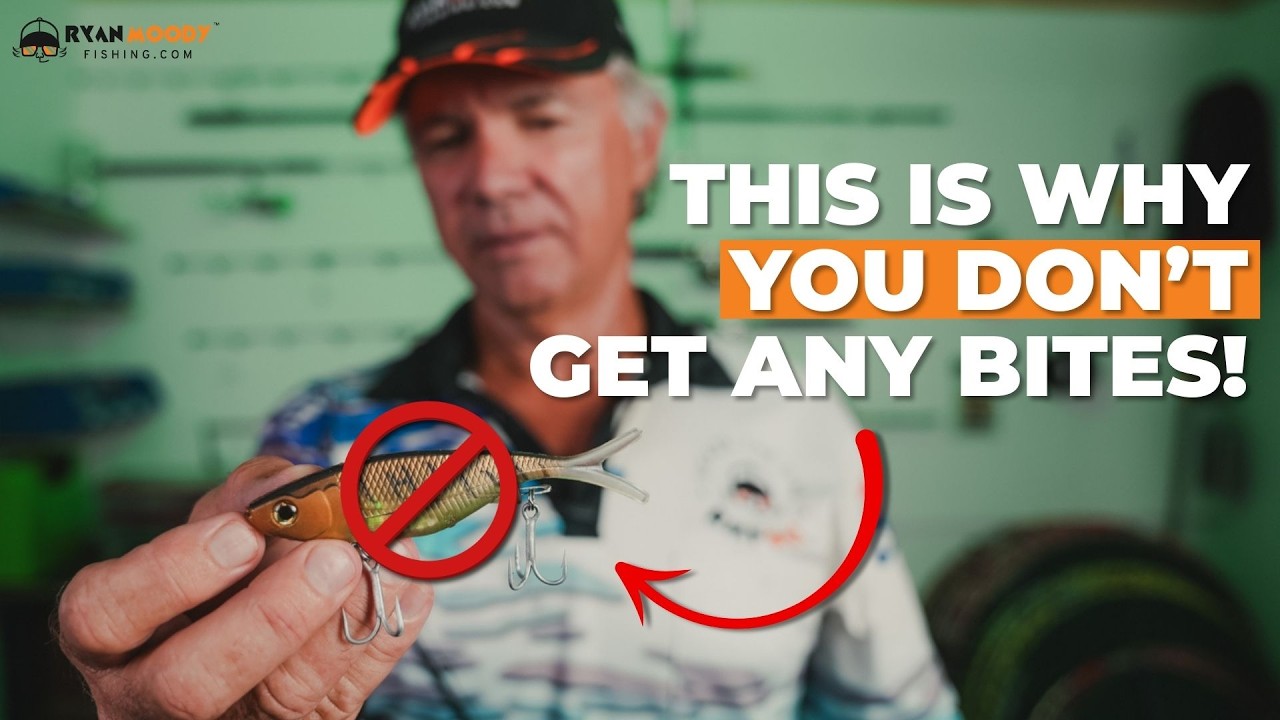
Vibes have been the default jigging plastic for Australian inshore anglers for the best part of a decade, but former charter skipper Ryan Moody reckons most fishermen are leaving bites on the table by sticking with them.
In a video posted to his Ryan Moody Fishing channel on 14 May 2026, the Queensland guide pulled out a 36 g Pillager sinking stickbait alongside a vibe of the same weight and told viewers the slower-sinking lure had become his go-to for demersals around inshore reefs, estuaries and islands.
"For many years during my charter fishing career, we used to use vibes for many inshore estuary species and out around the islands and even offshore as well," Moody said. "They're a great versatile plastic."
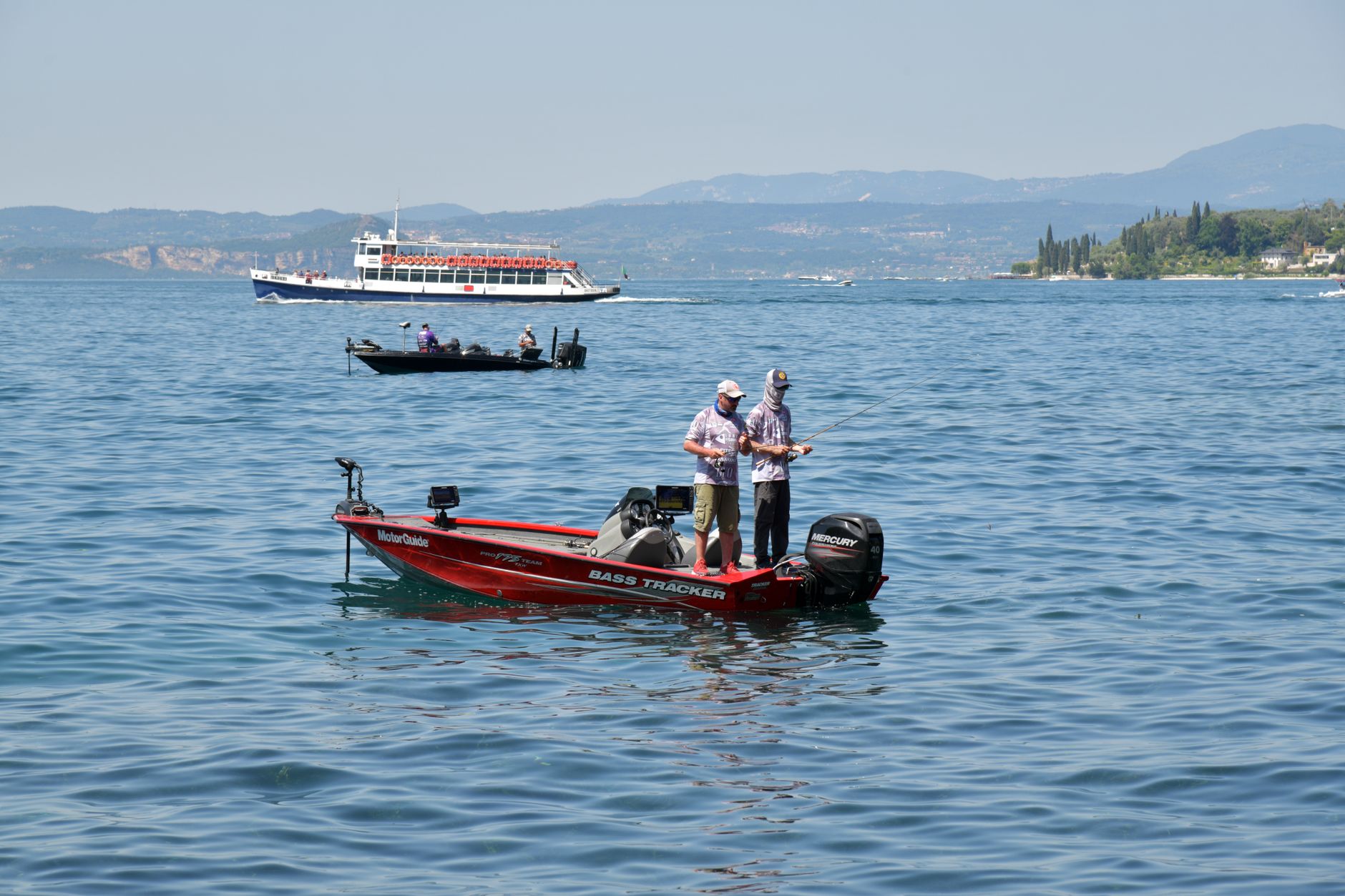
His problem with vibes is mechanical. "They vibrate on the way up to resemble a fish, but they fall very quickly because the weights are mostly towards the front part of the vibes and they fall very quickly flat back down to the bottom," he explained. "So sometimes it can limit the reaction time for fish to bite, because fish bite on the fall. They don't bite while it's going up. Only a pelagic will do that."
Moody said demersal species — the bottom-oriented fish that make up most of what tourists, weekend anglers and his old charter clients chase inside the islands — all key on lures sinking back down. The vibe's nose-heavy ballast simply gets the job done too fast.
The sinking stickbait, by contrast, flutters. "This one, our 36 g Pillager, is about the same weight as this one here, but the sinking stickbait will sink at half the speed of the vibe simply because of its action," he said. "You can jig it up any way you like — erratically, try a few short bounces, one quick rip up in the air, and when it comes down, what this lure does is it flutters. It takes a lot longer to get to the bottom than a vibe, so it gives the fish more reaction time to bite it on the fall."
He was careful not to write vibes off entirely. "At the end of the day, vibes still work," he said. "But if you want to increase your bites, especially when fishing deep structure, sinking stickbaits have just a more natural presentation. That is why I get more bites out of these than I do vibes."
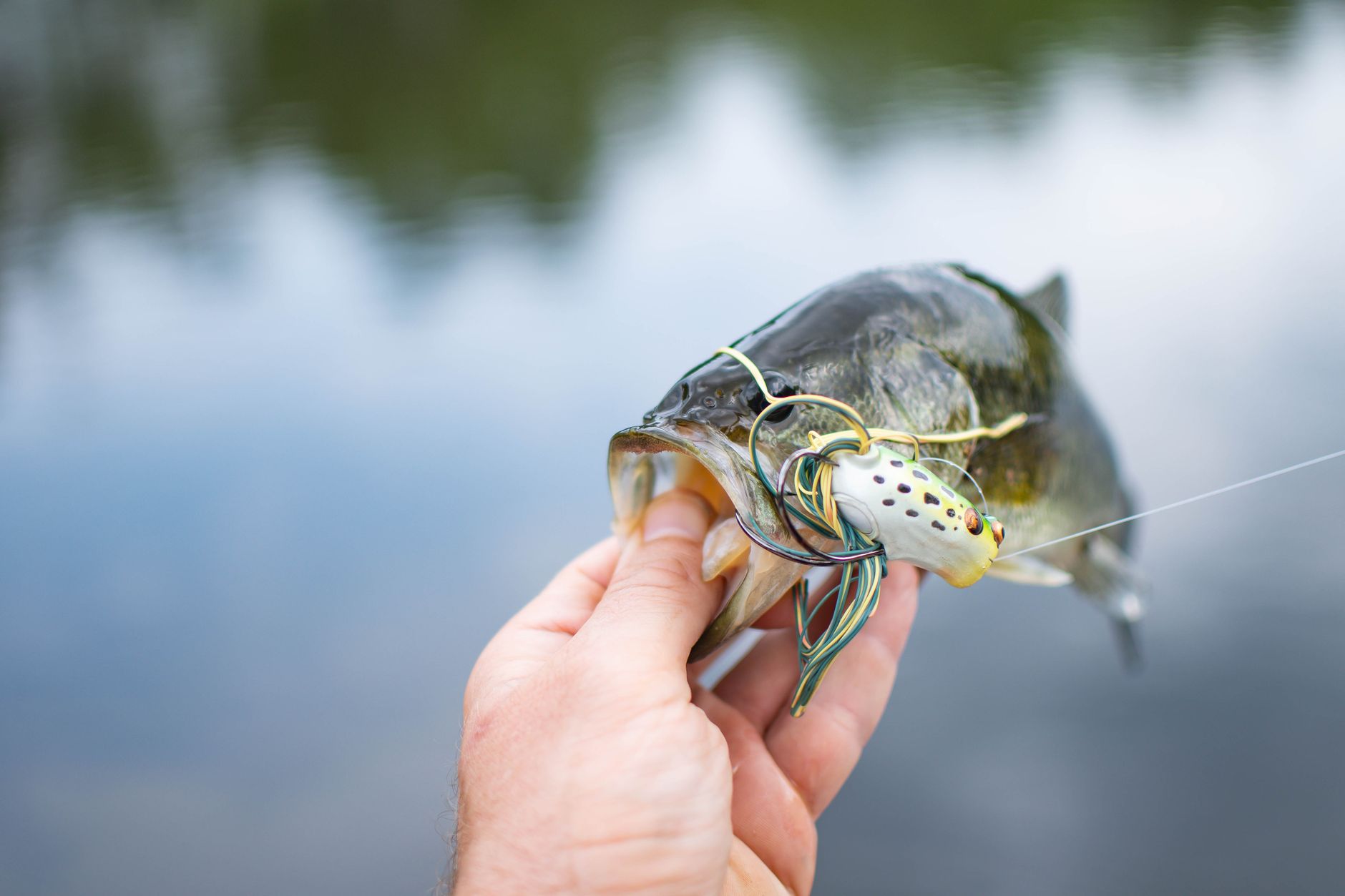
Moody's preferred retrieve mirrors what he taught clients on his charter boats. He works the lure with anything from a slow constant rise and drop to short erratic bounces, watching what the fish respond to on the day. "Just toss it up on the day and see what the fish like," he advised. "It could be different from one day to the next. Do they like an erratic lure? Do they like it moving slow? So that's the kind of thing you need to do. Play with the retrieve up and just let it fall back to the bottom."
The pitch is partly commercial — the Pillager is sold through his online shop — but the underlying argument is one any inshore lure fisher can test for themselves on a quiet reef or in an estuary hole.
"Try them next time you're out there, and I bet you'll notice a difference," Moody said.