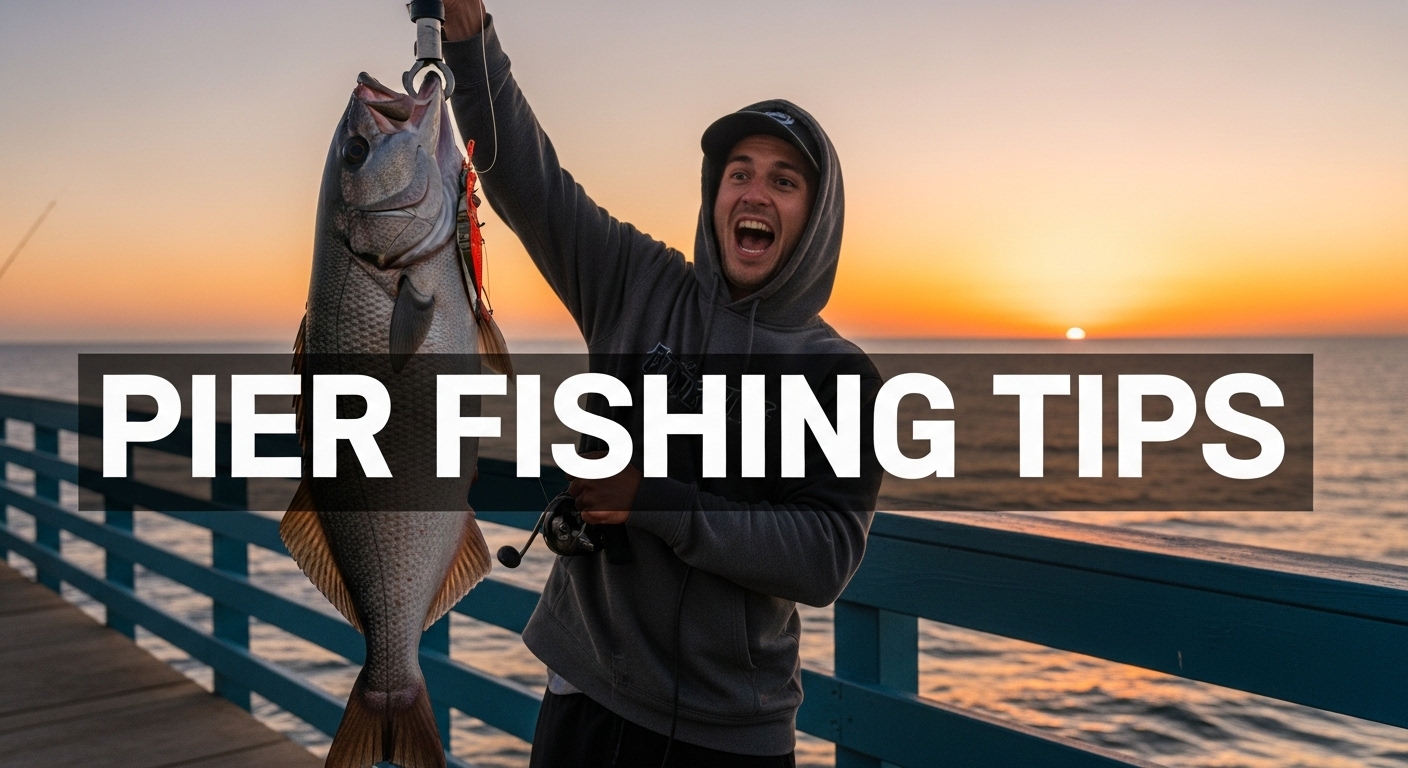
In recent years, many anglers have turned to pier fishing for its convenience and cost-effectiveness. One such angler, Dave Samuel, spent a considerable sum on boat rentals before discovering that pier fishing yields better results at a fraction of the cost. Samuel stated, "I spent $2,500 on boat rentals last year before discovering that pier fishing delivered better results at a fraction of the cost."
Samuel's extensive experience—over 150 hours on various piers—has equipped him with valuable insights into what makes pier fishing successful. He noted that a significant hurdle exists for novice anglers: "The truth is, 30% of new pier anglers quit after their first unsuccessful trip – not because pier fishing is difficult, but because they're missing fundamental knowledge that experienced anglers take for granted."
To aid both beginners and seasoned fishers, Samuel has compiled vital techniques and timing strategies for successful outings. One of the most critical aspects of pier fishing is timing. He asserts that the ideal fishing window is during early morning, from dawn to two hours post-sunrise, or in the evening, from two hours before sunset until dusk.
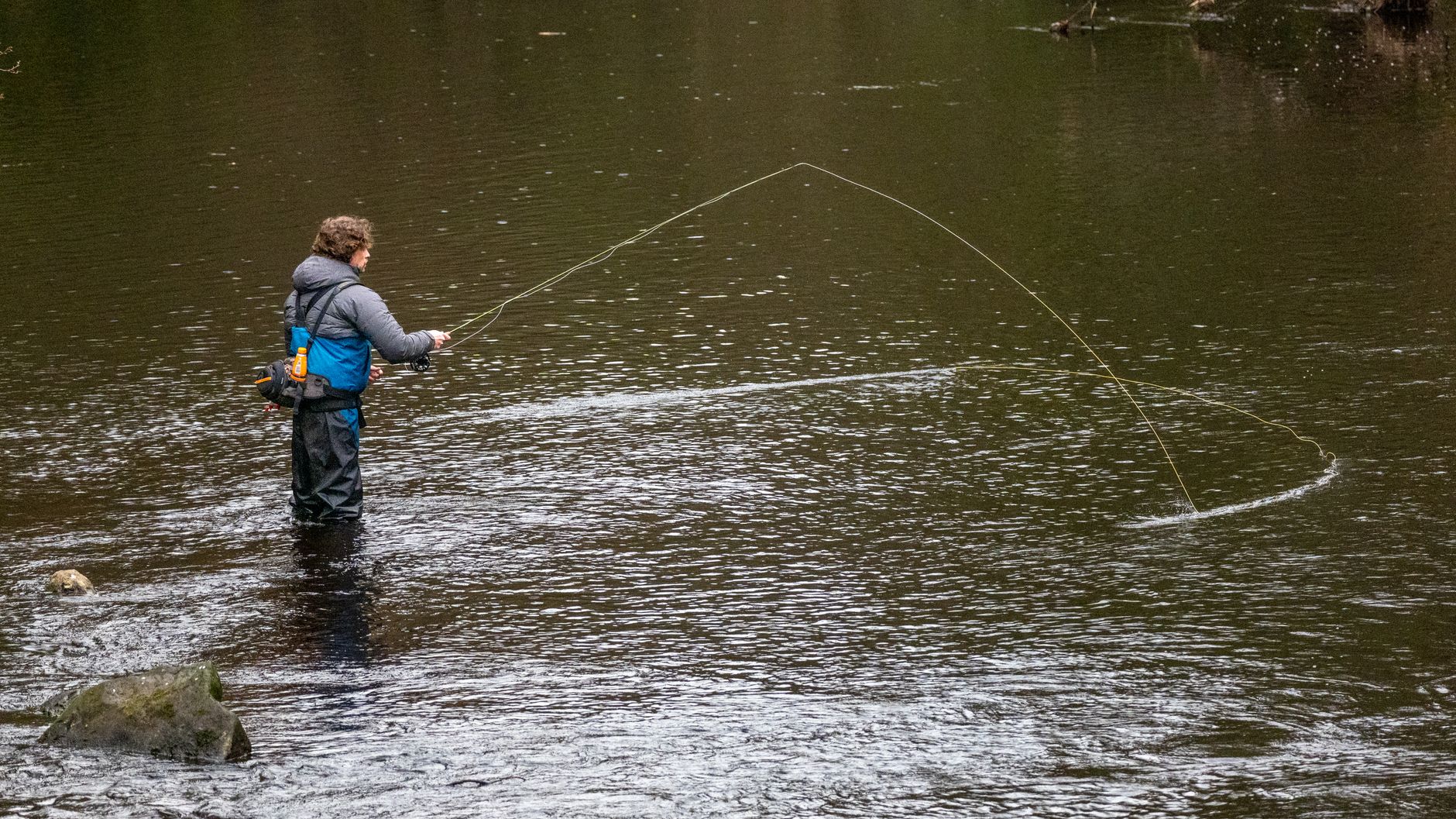
"Morning sessions between 5:30 AM and 8:00 AM produce 40% more fish than any other time period," Samuel emphasized, underscoring the importance of choosing the right time to fish.
Understanding tidal movements is another crucial factor in maximizing catch rates. Samuel indicates that movement in the water is directly correlated to fish activity. He explains, "Moving water equals active fish – it's that simple. The two hours before and after tide changes consistently produce the most bites." His observations reveal a stark contrast in success rates: during slack tide, catch rates can plummet by 60%.
He detailed how various tide phases affect fishing outcomes in a summarized table. For instance, during the outgoing tide, anglers can expect a success rate of about 85%, particularly for all species. Conversely, the high slack tide only yields a 25% success rate, where bottom feeders are the primary catch.
As seasons change, so do fishing patterns. According to Samuel, spring fishing is optimal when water temperatures range from 60 to 65 degrees Fahrenheit. "Fall delivers the year's best action as fish feed aggressively before winter – I've landed my five biggest catches all in October," he noted, sharing his seasonal experience. He also highlighted winter fishing strategies, suggesting that midday warm spells increase catch rates.
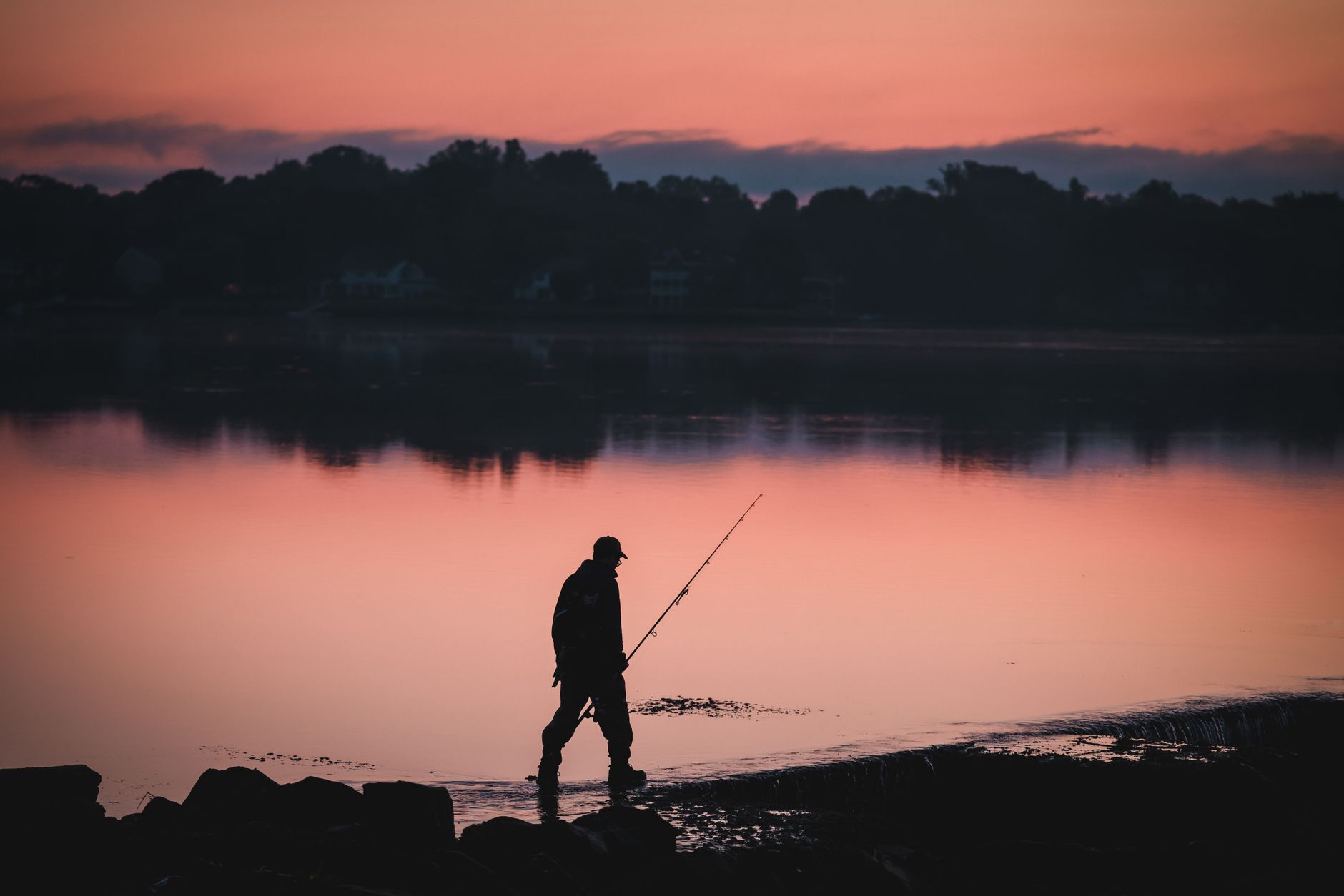
Weather conditions hold significant sway over fishing success. Samuel's advice is clear: "Overcast days with light wind produce 30% more bites than bright, calm conditions." He elaborated on how barometric pressure also influences fish behavior, particularly before storms.
Equipping oneself with the right gear is perhaps the most essential aspect of a successful pier fishing experience. Samuel outlines a basic equipment setup that includes a 7-9 foot medium-action rod, a spinning reel, and various tackle essentials, emphasizing that beginners can avoid overspending. "Your basic pier setup shouldn't cost more than $75-150 total," he advised, warning against unnecessary purchases.
In terms of rod and reel specifications, Samuel recommends an 8-foot rod rated for 15-30 lb line paired with a 4000-size spinning reel. He advises purchasing quality used equipment first to save money, saying, "Buy your second rod first – get a quality used rod for $40-60 instead of a new budget rod at the same price."
Samuel also emphasizes a selection of terminal tackle essentials, advocating for circle hooks and effective sinker types based on fishing conditions. He includes must-have accessories for any pier angler: a drop net for large catches, a first aid kit for safety, and even a towel for handling fish.
As Samuel gears up for another fishing season, he reflects on his journey and the joys of helping others learn. His mission to share knowledge continues, hoping to inspire a new generation of successful pier anglers who will appreciate the serenity and thrill of fishing. With the right techniques, timing, and gear, anyone can enhance their pier fishing experience and enjoy the fruits of their labor from the comforts of shore.