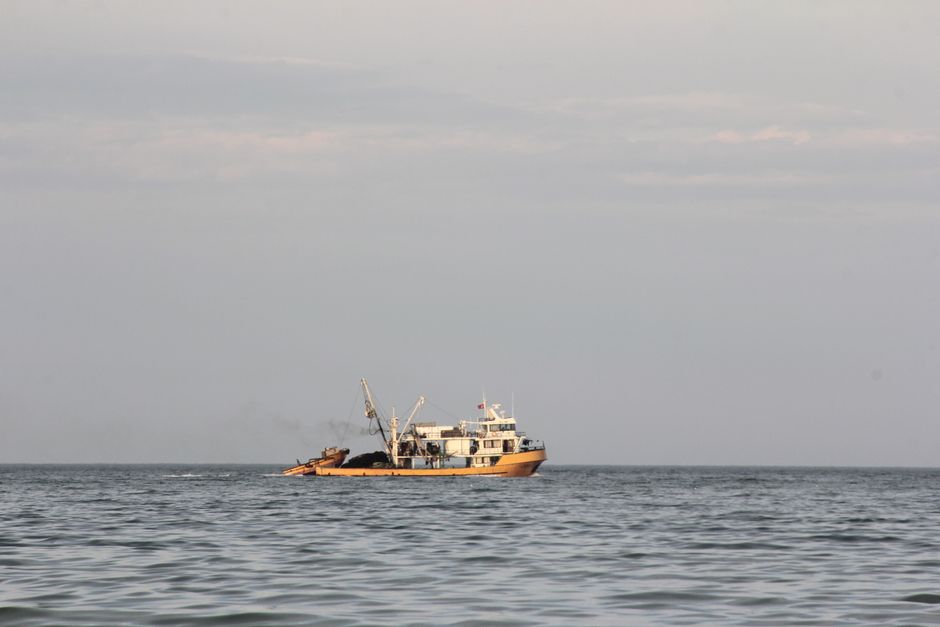
Roughly half a million square miles of the Pacific Ocean are back on the table for commercial boats after President Trump signed a proclamation on Thursday lifting fishing bans across three remote U.S. marine national monuments.
The three sites are among the most isolated protected waters anywhere: the Papahanaumokuakea Marine National Monument northwest of Hawaii, the Mariana Trench Marine National Monument, and Rose Atoll Marine National Monument out near American Samoa. At Papahanaumokuakea, the Mau and Ho'omalu Zones open to vessels beyond 50 nautical miles from shore; at Rose Atoll, the reopened strip runs from 12 to 50 nautical miles.
The president pitched it as jobs and cheaper seafood. "This will support millions of dollars in annual harvest. It will protect small local fisheries and coastal communities that depend on their livelihoods," Trump said, adding that the move would "increase domestic seafood production to help lower costs for American communities — and you're talking about millions, tens of millions of dollars of income."
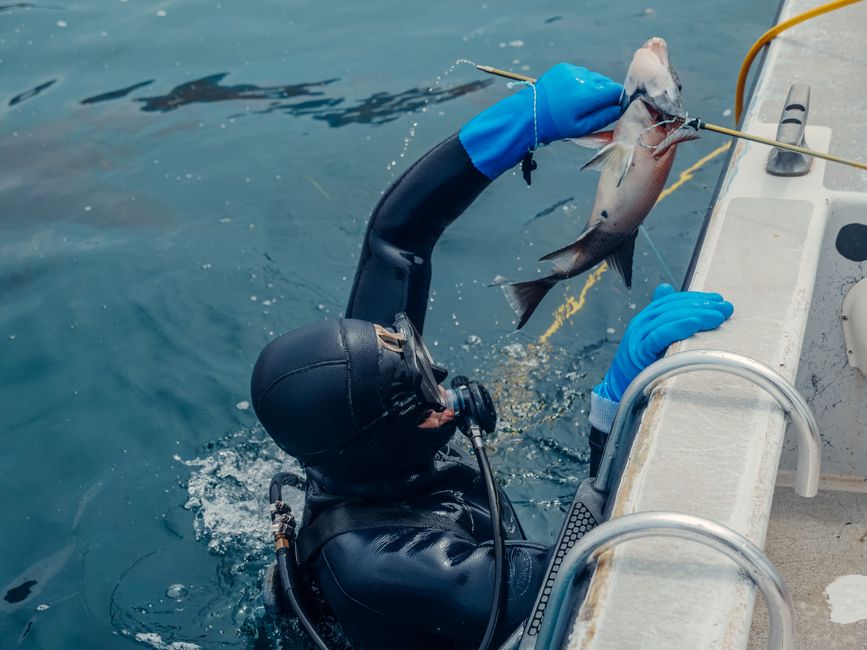
Honolulu's longline fleet — worth about $125 million a year — has wanted these grounds reopened for years, frustrated that American boats steam long distances while foreign vessels fish the monument boundaries. Even so, Eric Kingma, who heads the Hawai'i Longline Association, was measured. "Any future management decisions should be guided by sound science, respect for cultural and environmental values, and a balanced approach that supports conservation, food security, and the long-term viability of Hawai'i's longline fleet and associated local seafood companies," he said. He also pointed out that nobody is fishing the zones tomorrow — federal rule-making comes first.
The pushback was immediate. David Henkin of Earthjustice's Mid-Pacific office argued the policy fails on its own terms. "Commercial fishing in our protected marine monuments would not only be disastrous for the environment, but also does nothing for the fishing industry," he said. "Without fishing in the monuments, U.S.-based fisheries hit their catch limits for tuna every year." Then the threat: "We'll see the administration in court."
Maxx Phillips, a senior attorney at the Center for Biological Diversity, did not mince words either. "This is a reckless attack on the world's greatest ocean sanctuaries," she said. "Papahanaumokuakea is a sacred place and a refuge for endangered wildlife found nowhere else on Earth. We'll fight hard against Trump's short-sighted attempt to plunder these incredibly biodiverse waters."
Opponents already have a marker on the board. A federal district court in August 2025 threw out a previous bid to resume commercial fishing in the Pacific Islands Heritage Marine National Monument, and that decision will frame the coming case. Separately, a House bill introduced this month would take the power to close monument fishing grounds away from presidents entirely.
None of it changes anything on the water this week. Until NOAA drafts the rules, the reopened zones stay closed in practice — and the fight over them moves to the courtroom.