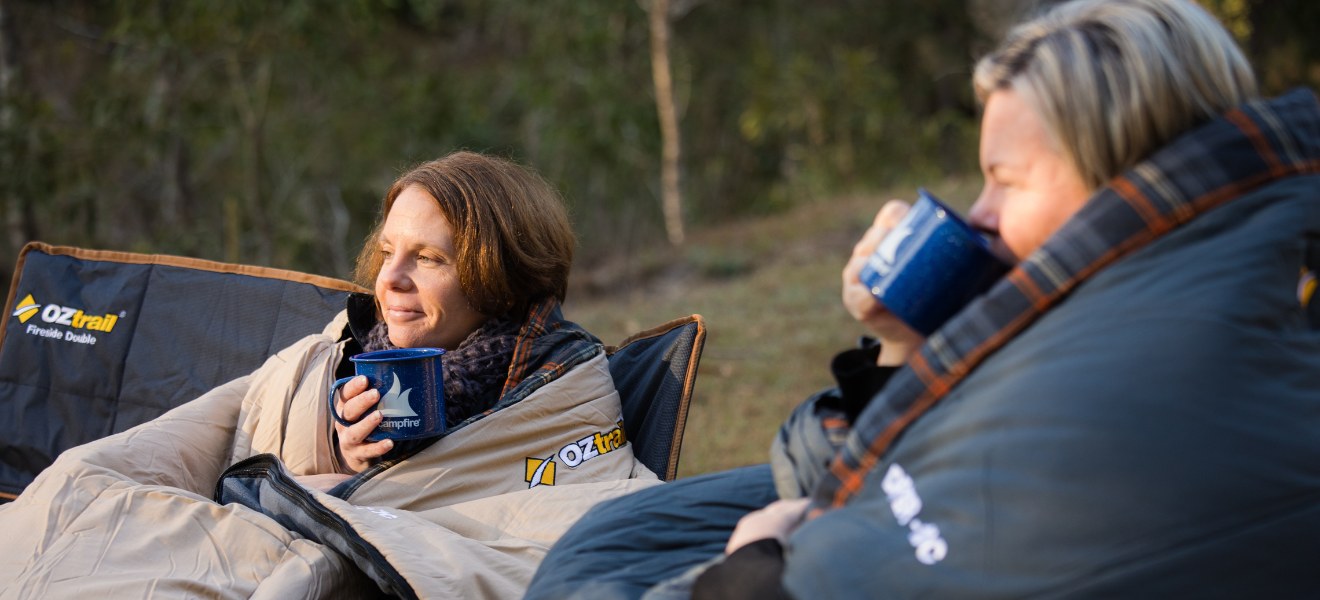
If you've ever found yourself cold in a sleeping bag rated for low temperatures, you're not alone. OZtrail's latest guide to sleeping bag temperature ratings sheds light on the often-confusing numbers on the label and how they relate to a good night's sleep outdoors. It's not just about survival; it's about comfort, warmth, and enjoying your time under the stars.
Sleeping bag ratings may seem simple, but they carry significant weight in your camping experiences. OZtrail explains, "Understanding sleeping bag temperature ratings isn’t just about numbers on a label, it's about improving real-world comfort, sleep quality, and staying safe outdoors." This guide helps you break down and navigate the specifics to find the perfect sleeping bag for your particular adventures.
Understanding Temperature Ratings
Modern sleeping bags are typically assessed using ISO or EN standards. These tests help rate how well a sleeping bag performs under controlled conditions, assuming that your body will generate enough heat to maintain warmth. You'll usually encounter three critical temperature metrics:
1. **Extreme temperature / survival rating**: This indicates the lowest temperature for bare survival, raising concerns of potential health risks or hypothermia. 2. **Lower limit rating (T Limit)**: The lowest temperature at which a warm sleeper can avoid significant heat loss. 3. **Comfort rating**: This indicates the temperature at which most people can expect to sleep comfortably.
Factors Affecting Warmth Beyond Ratings
While temperature ratings provide a solid starting point, they don't capture all real-world variables that play into staying warm. For instance, tent ventilation can significantly influence your comfort; too much airflow can lead to an uncomfortably chilly interior. Wet ground can also siphon off body heat, and humidity may pierce through your insulation.
The Role of Your Body and Fit
Your body's unique characteristics, including your metabolism and warmth retention, significantly impact how you experience temperature at night. Cold sleepers may need to account for a safety margin of about 5°C when choosing a bag. Also, the fit of the sleeping bag matters; while mummy-shaped bags improve thermal efficiency by trapping warm air, rectangular bags provide extra space but can leave you feeling colder without additional insulation.
Elevating Comfort with Sleeping Pads

A crucial component that often gets overlooked is the sleeping pad. According to OZtrail, "Most of the heat you lose at night comes from lying on cold ground," and simply using a sleeping bag can leave you shivering. A good sleeping pad traps warmth between you and the cold surface, enhancing your sleeping experience significantly.
Little Extras That Make a Big Difference
On colder nights, small additions like sleeping bag liners, thermal base layers, and even a beanie can enhance your warmth significantly. OZtrail suggests that "bag liners can add around 3–5°C warmth" while humidity is reduced by moisture-wicking base layers. Sometimes all you need is a lightweight blanket to provide added comfort when temperatures unexpectedly dip.
Find Your Ideal Sleeping Bag
Learning how sleeping bag temperature ratings function alongside environmental conditions can transform your outdoor sleep experience. OZtrail emphasizes the importance of choosing wisely: "When you know how comfort ratings, lower limits, and real-world conditions work together, you can choose a sleeping bag that actually keeps you warm."
So as your next adventure approaches—whether a leisurely overnight hike or an extended camping trip—make sure you're equipped with a quality sleeping bag suited to your needs. For those seeking reliable outdoor gear, explore the expansive range of OZtrail sleeping bags and camping bedding, crafted to enhance your outdoor experience.