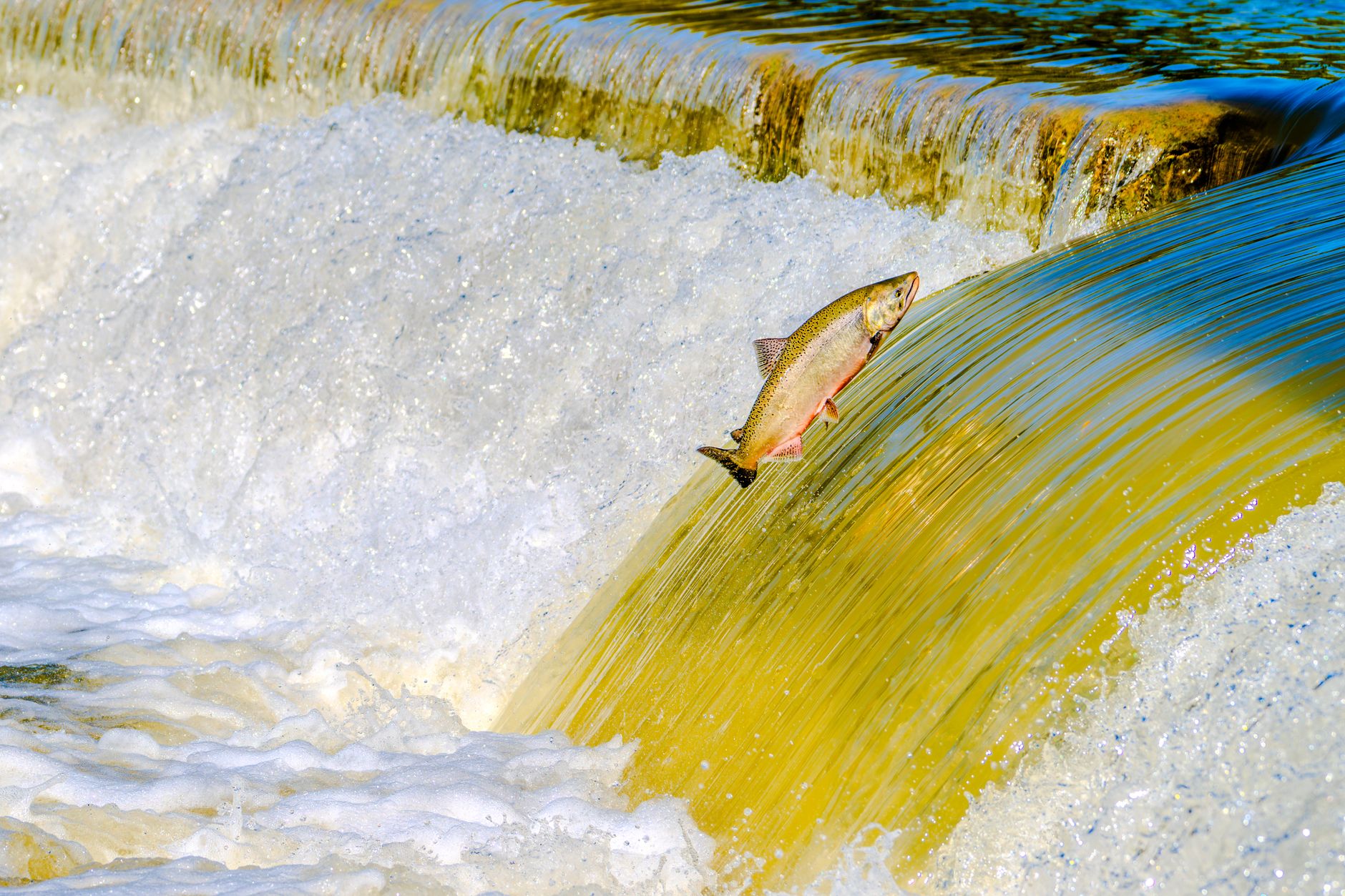
Something remarkable happened on the Ellidaar last Sunday. Over a single 12-hour stretch, close to 600 salmon crossed the counter on the river that runs to the edge of Reykjavik — the biggest daily count since records began in 1989, and a marker that Iceland's 2026 season may be a vintage one.
The biologist who follows the run, Johannes Sturlaugsson, struggled to overstate it. "We're talking about almost one salmon passing through the counter every minute over a 12-hour period," he told the national broadcaster RUV. Roughly 2,000 salmon plus about 100 sea trout are already on the books this summer; last year the whole season brought 3,400, a figure Sturlaugsson thinks 2026 will surpass. The biggest fish are stretching to around 90 centimetres.
None of it, he argues, is accidental. The Ellidaar is now managed under compulsory catch-and-release, hydropower has been removed from the river, and the reopened Arbaer dam lets fish move upstream again. The result speaks for itself: "We have the best Atlantic salmon return rate from the sea anywhere in the world," Sturlaugsson said.
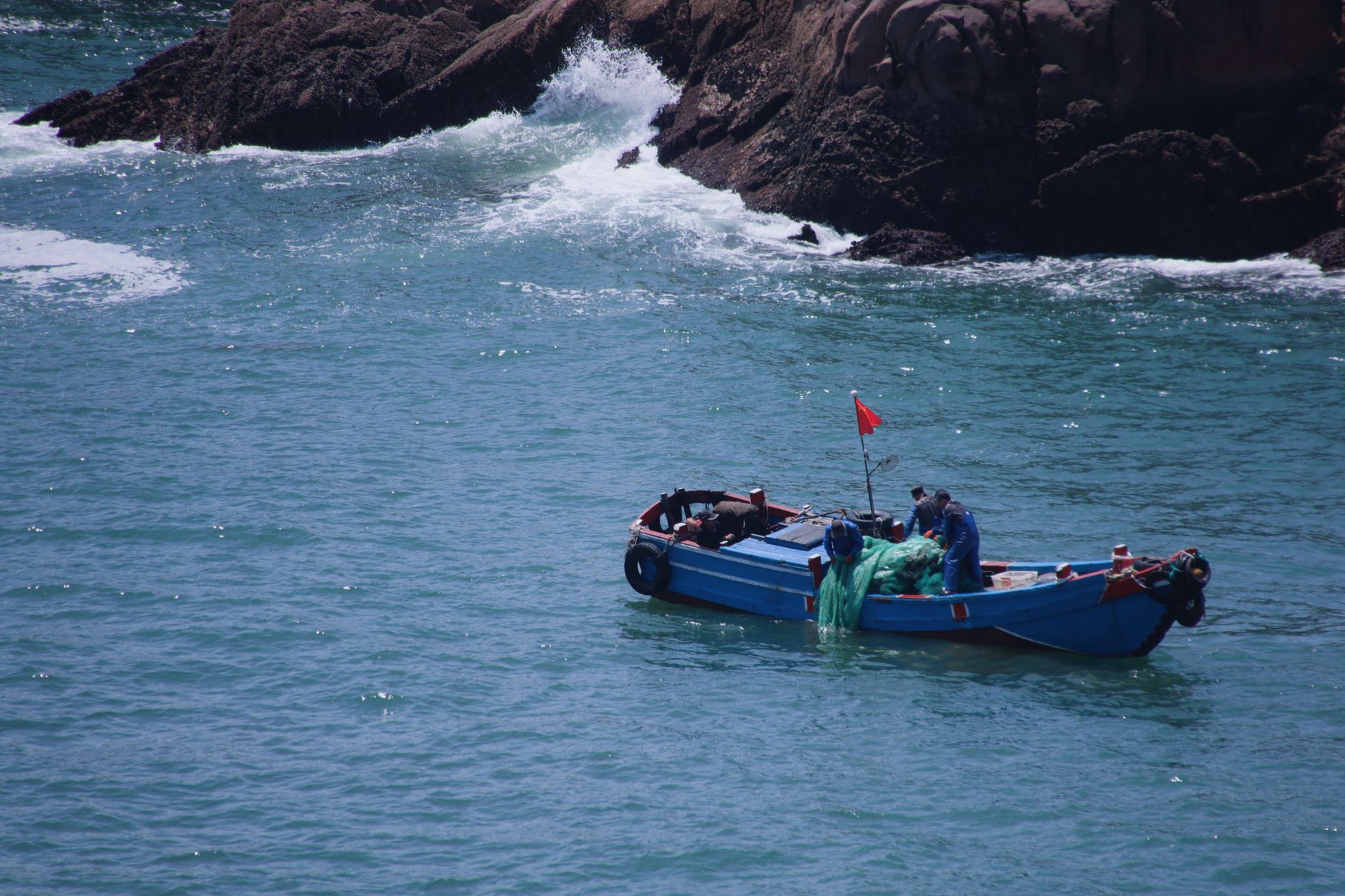
Other rivers are telling the same story. Peter McLeod of specialist operator Aardvark McLeod noted how fast the season turned. "Three weeks can make an enormous difference in an Icelandic salmon season, and that has certainly been the case during the first half of July," he wrote in a mid-month report.
The numbers back him up. By early July the Nordura had landed 349 salmon, ahead of last year; the Midfjardara had 243, more than 80 per cent up on the same date in 2025; the Hitara was running about 140 per cent ahead; and the Thvera and Kjarra had topped 550, including a single week of more than 300 fish. Cool water and fish arriving on nearly every tide meant the main grilse run was still building.
Yet the good year unfolds against a real worry. Wild North Atlantic salmon have declined by about 75 per cent in five decades, with fewer than 60,000 believed to survive around Iceland. For anglers and conservation groups, the biggest danger is open-net salmon farming and the prospect of escaped farmed fish breeding with wild ones — a fear underlined by a 2023 escape in Icelandic waters. Campaigners cite polling showing roughly 65 per cent of Icelanders oppose open-net farms.
Among the loudest outside voices is Patagonia founder Yvon Chouinard, a long-time supporter of the late Orri Vigfusson and his fight to protect what Vigfusson called "the king of fish." As Iceland weighs new aquaculture legislation, Chouinard has pressed for restraint. "Icelandic ministers can listen to reason and citizens and set an example of responsibility," he wrote.
For the moment, though, the fishing does the talking. A record day on the Ellidaar, rivers from the west to the north running clear of last year's pace, and most of those fish going straight back into the current — for a species long in trouble, the 2026 season is a welcome exception.