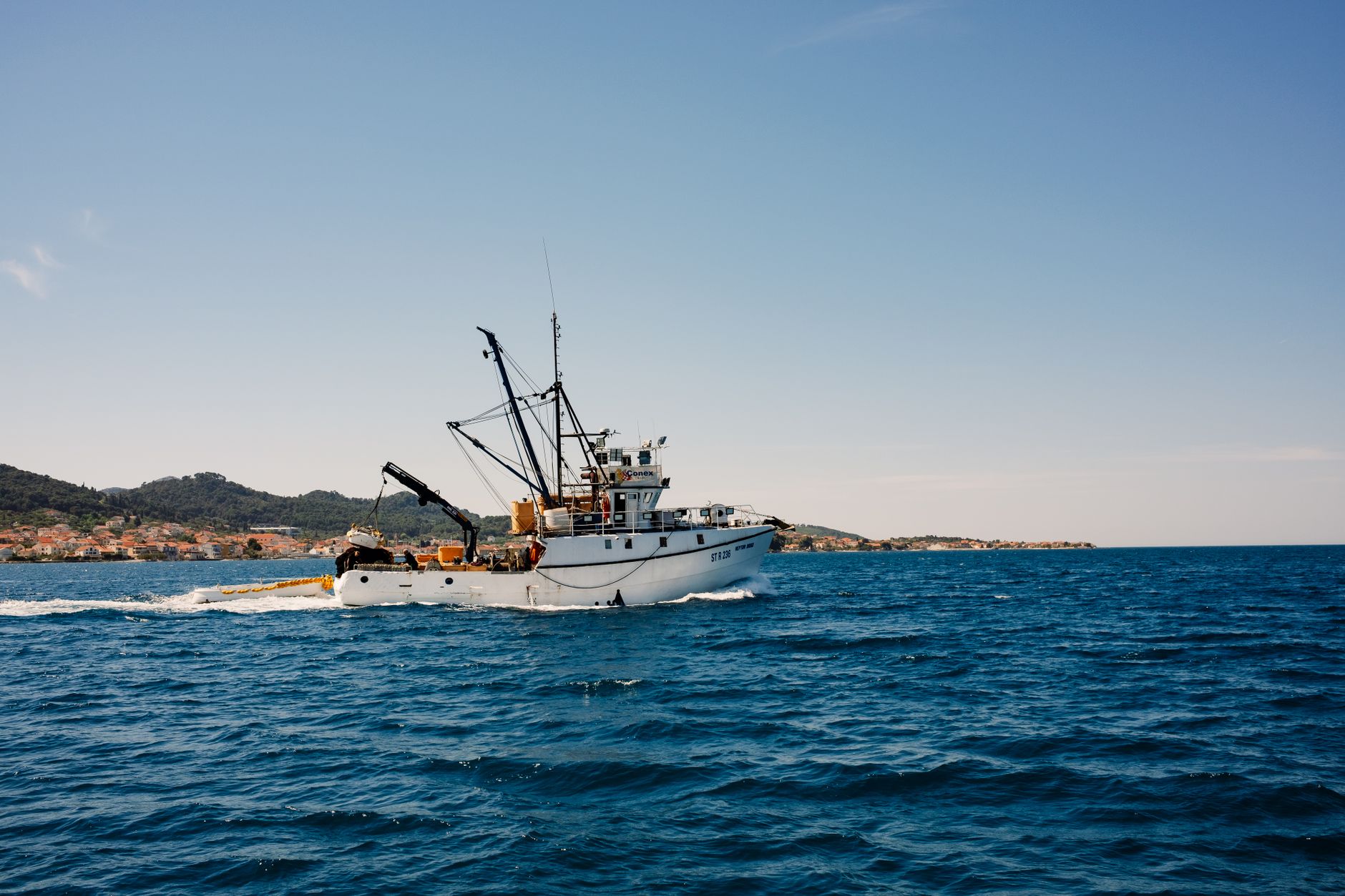
New Zealand's most contested fisheries legislation in a generation has been parked, and the fight it triggered has simply moved to the campaign trail.
Oceans and Fisheries Minister Shane Jones asked the select committee considering the Fisheries Amendment Bill to extend its reporting deadline in June, pushing the legislation past the general election. He was unusually candid about why.
"If it can be improved by some more panel beating, then I'm up for that," Jones told a scrutiny week hearing, acknowledging there had been little harmony either within the industry or across Parliament. He suggested the committee "take some time to pluck the fruits of democracy", and said he was the bill's author and had to take responsibility for it. Asked whether he had been leaned on by the prime minister or his own leader, he was flat: "I don't take instructions in the way that you've described it, only from my leader, Winston Peters."
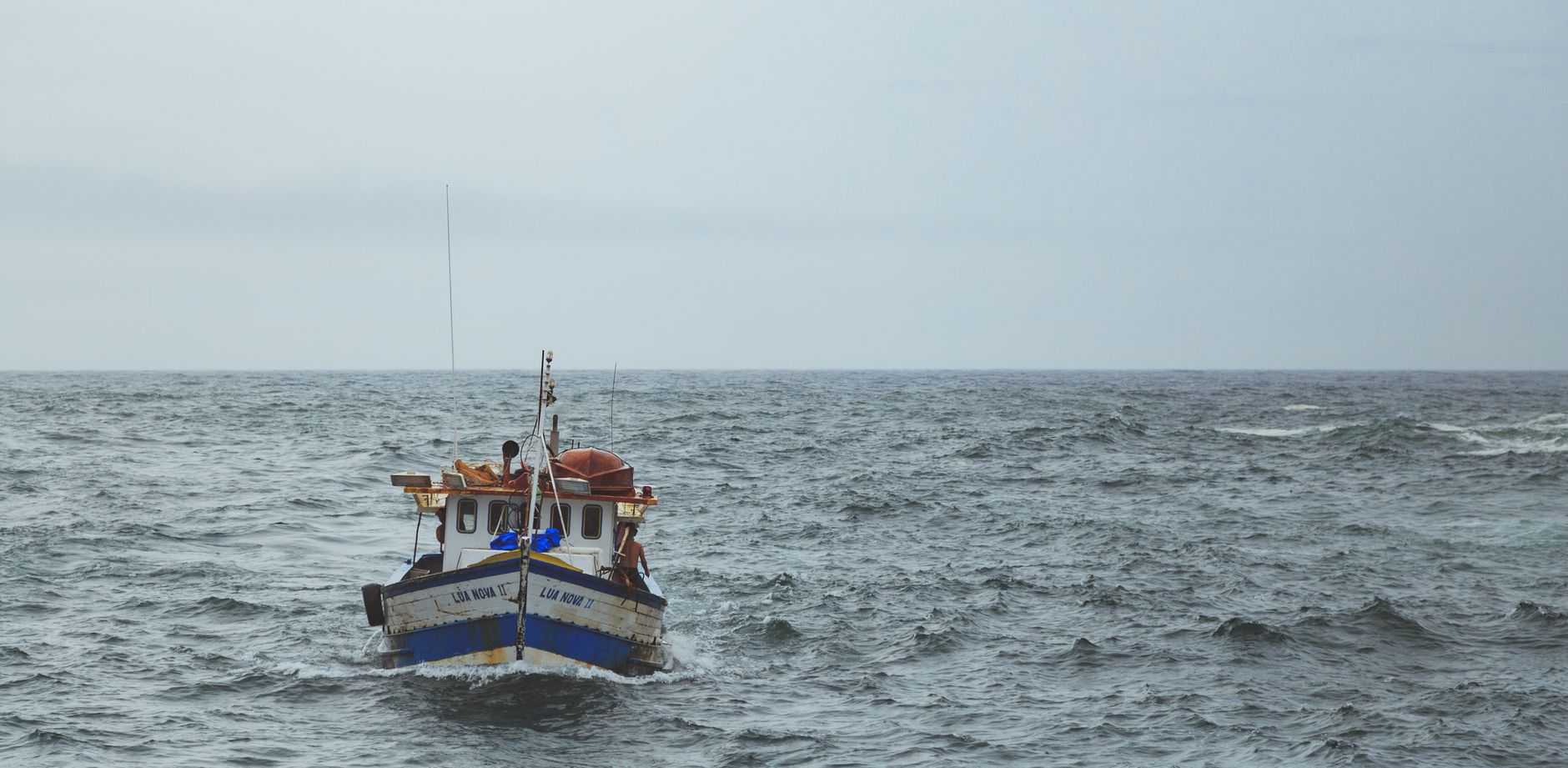
It was the second retreat. In March, the coalition dropped a clause that would have scrapped most minimum size limits for commercial fishers after public backlash, with National, ACT and New Zealand First all claiming credit. Jones had days earlier dismissed critics as "noisy voices". Other contested provisions survived, including limits on judicial review timeframes and restrictions on sharing on-board camera footage, including under the Official Information Act.
The industry treated the delay as a loss. Seafood New Zealand chief executive Lisa Futschek said she was disappointed the legislation would not progress. "This Bill is about bringing fisheries management into the modern era," she said. "The intention is to move away from a one-size-fits-all process that can be slow and blunt, and towards a legislative framework that is more responsive and better matched to the realities of the job." Her verdict on the campaign against it was sharper: "Some genuinely worthwhile reforms have been lost in the noise. It was very clear those who lobbied against were more taken with slogans than what could actually have been achieved."
Labour wants the bill gone entirely rather than improved. Oceans and Fisheries spokesperson Rachel Boyack welcomed the delay but said the bill "needs to be completely pulled, and if anything, if there's to be any reform in this area, it needs to start again from scratch." On the camera footage provisions, she noted that around 18 requests had been made under the Official Information Act and all were declined, with the Ombudsman upholding most of those decisions. "It shows that the system is working," she said, arguing officials -- not legislation -- should decide what is in the public interest to release.
Underneath the parliamentary argument sits a dispute about a single number. In May, Jones released Ministry for Primary Industries analysis showing bottom trawling covered 1.7 percent of New Zealand's combined territorial sea and Exclusive Economic Zone in the 2024/25 fishing year. Trawling is "concentrated in specific fishing grounds", he said, and "the area impacted by trawling is extremely limited and has remained relatively stable for decades", while conceding the method "needs to operate under evidence-backed checks and balances".
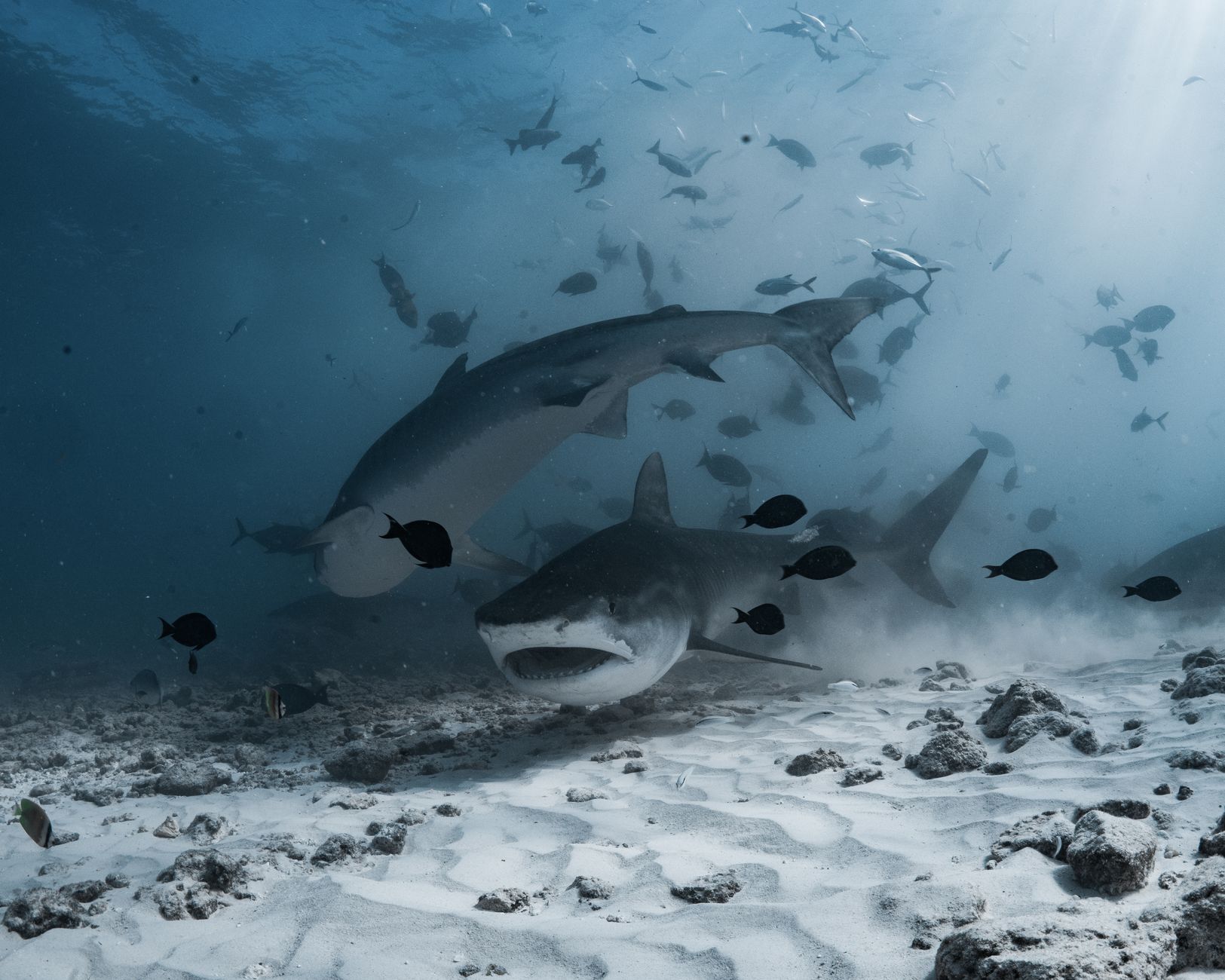
Critics do not dispute the figure so much as the denominator. New Zealand's EEZ runs to roughly four million square kilometres, most of it abyssal water no trawler would ever work. Green Party oceans and fisheries spokesperson Teanau Tuiono has called the wider package "a handout to the fishing industry", while Greenpeace Aotearoa oceans campaigner Ellie Hooper described the bill as "a blank cheque written for the trawling industry", pointing to hundreds of tonnes of coral hauled up over 35 years.
Simon Thrush, professor of marine science at the University of Auckland, argues the pause is an opportunity rather than a stalemate. New Zealand is one of only seven countries that bottom trawl in international waters and the only one still working South Pacific seamounts, where corals and sponges can live for centuries and grow more than 20 metres tall. Between 1990 and 2025, trawling was carried out across nearly half a million square kilometres of New Zealand waters -- an area almost twice the combined size of the North and South Islands. Government observers recorded trawl nets catching more than 4,200 marine mammals between 1992-93 and 2017-18, most of which did not survive.
Thrush's proposed middle ground is not abolition. Marine scientists have floated protecting 50 percent of the territorial sea and EEZ from bottom trawling, against roughly 15 percent of fishable-depth waters currently closed. He also points to environmental assessments before trawling opens in previously unfished areas, trawl corridors routed around the most important habitats, and wider buffers around marine protected areas -- measures that would cut impact while leaving commercial fishing viable.
The method is not marginal. Bottom trawling accounted for around 224,000 tonnes in 2024-25, roughly two-thirds of the national commercial catch by volume, in an industry worth about $1.57 billion in exports and employing about 9,000 people directly. That is the weight on one side of the scale, and it is why the bill's return under the next parliament is a real prospect rather than a threat.