The Florida Fish and Wildlife Conservation Commission (FWC) has recently approved updated regulations regarding the spotted sea trout, one of the region's most cherished angling targets. On February 4, 2026, the FWC decided against implementing a catch-and-release model in the Indian River Lagoon, a decision that has drawn the ire of local fishing guides and conservationists who argue that stronger measures are necessary for the fish's sustainability.
Instead, the FWC has moved to restrict the harvesting of larger spotted sea trout, now allowing recreational fishers to keep only those within the 15-19 inch slot. This marks a shift from previous rules that permitted one fish in the 15-19 inch range alongside one larger than that.
According to Matt Kenworthy of the FWC Division of Marine Fisheries Management, making sea trout catch-and-release wasn’t deemed necessary. "The Indian River Lagoon has the lowest bag limit and is among the lowest harvest rates in Florida," Kenworthy remarked, suggesting the current management is sufficient based on public feedback received through various channels.
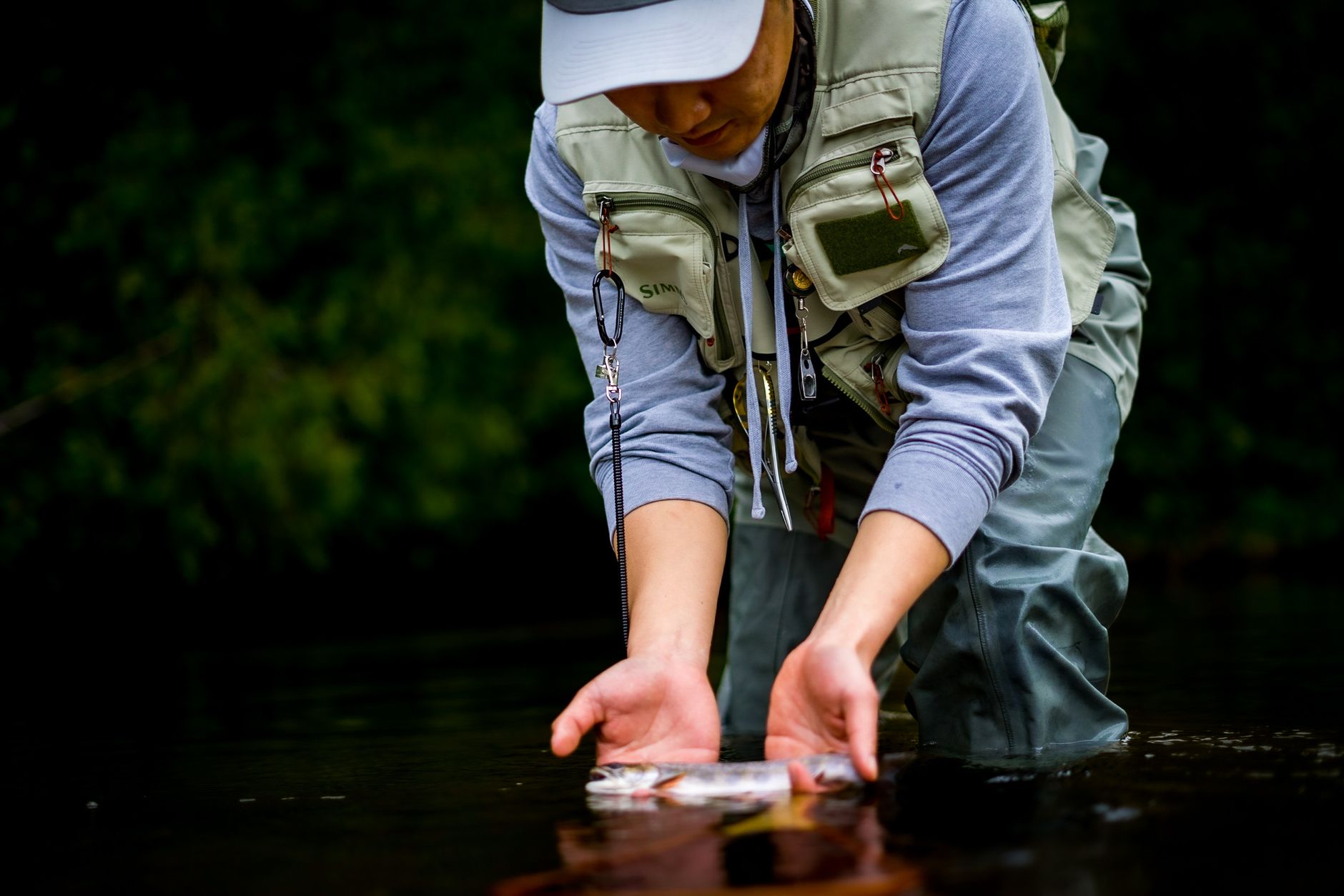
Previously regarded as the epicenter for sea trout fishing, the Treasure and Space coasts have seen their trophy trout numbers diminish significantly in recent years. In fact, the area is now eclipsed by states like Texas when it comes to prime sea trout fishing. Craig Carson's legendary catch in 1995, a nearly 18-pound, 39.5-inch trout caught in Fort Pierce, still holds the International Game Fish Association world record, but comparable catches have become rare.
Local fishing guides are pressing the FWC for further action, arguing that the spotted sea trout population needs extra protection to recover. Thomas DiMatteo of Sebastian expressed concern over the declining population, stating, "We have three years' worth of data to show how well [the redfish catch-and-release rule] is working. It's been unbelievable the amount of [red]fish we're seeing. It's working."
DiMatteo, along with fellow guide Noah Miller of Melbourne, believes it is crucial now to make spotted sea trout catch-and-release only, given the ongoing restoration initiatives aimed at improving clams, seagrass, and overall water quality in the lagoon.
The health of the local ecosystem remains directly tied to the presence of seagrass, which serves as crucial habitat for juvenile sea trout. "Without seagrass, the small spotted sea trout that remain will not grow up to become the trophy fish that used to generate millions of dollars in state revenue from anglers looking to catch the sea trout of a lifetime," DiMatteo remarked.
The challenges facing the spotted sea trout are compounded by their vulnerability to various predators, including humans and dolphins. Both DiMatteo and Miller have pointed out that improper handling can easily lead to trout mortality, reinforcing their argument for a catch-and-release policy.
Miller added that the fish is not especially valued as a culinary choice, which would significantly lessen the impact of stricter regulations on anglers. "Guides are calling each other to let each other know where they are," he said, reflecting on the limited availability of trout and the lengths to which local anglers have to go to find them.
A stark contrast to the vibrant fishery of a decade ago, Miller lamented, "Ten to 12 years ago... if you wanted to catch a trophy sea trout, you came here. Now, you would be lucky to catch a trophy fish three times a year. It is a unicorn. The number of trout are falling off so quickly."
As fishing enthusiasts and guides await further discussions on the issue, the future of the spotted sea trout in the Indian River Lagoon hangs in the balance. Without decisive action, the iconic fish may remain a shadow of its former self, prompting ongoing calls for enhanced protections in the waters once celebrated for their rich fishing heritage.