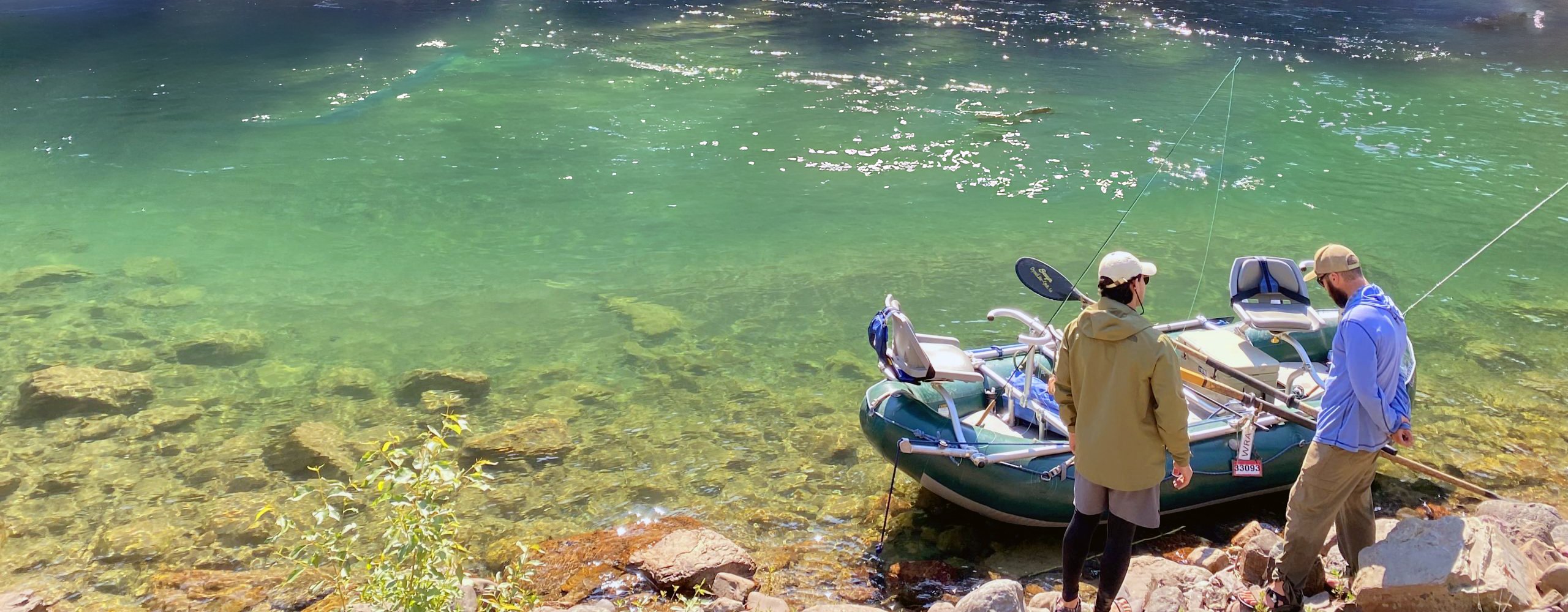
The Flathead River stands out as one of Montana's hidden treasures for fly fishing enthusiasts. Known for its clear waters and breathtaking mountain backdrops, the river hosts a thriving population of native Westslope Cutthroat Trout. Located just moments away from Glacier National Park, the Flathead provides an authentic Montana fishing experience amid stunning natural landscapes. Notably, the river serves as a vital sanctuary for native trout, making it essential to both experience and protect these waters.
"The Flathead system is unique in that it provides a reliable habitat for one of our state's most cherished fish," said local fishing guide, Mark Johnson. "It’s rewarding for anglers to cast to native trout in their natural environment, and it’s a reminder of why we need to put conservation first."
A Unique Heritage and Ecological Importance
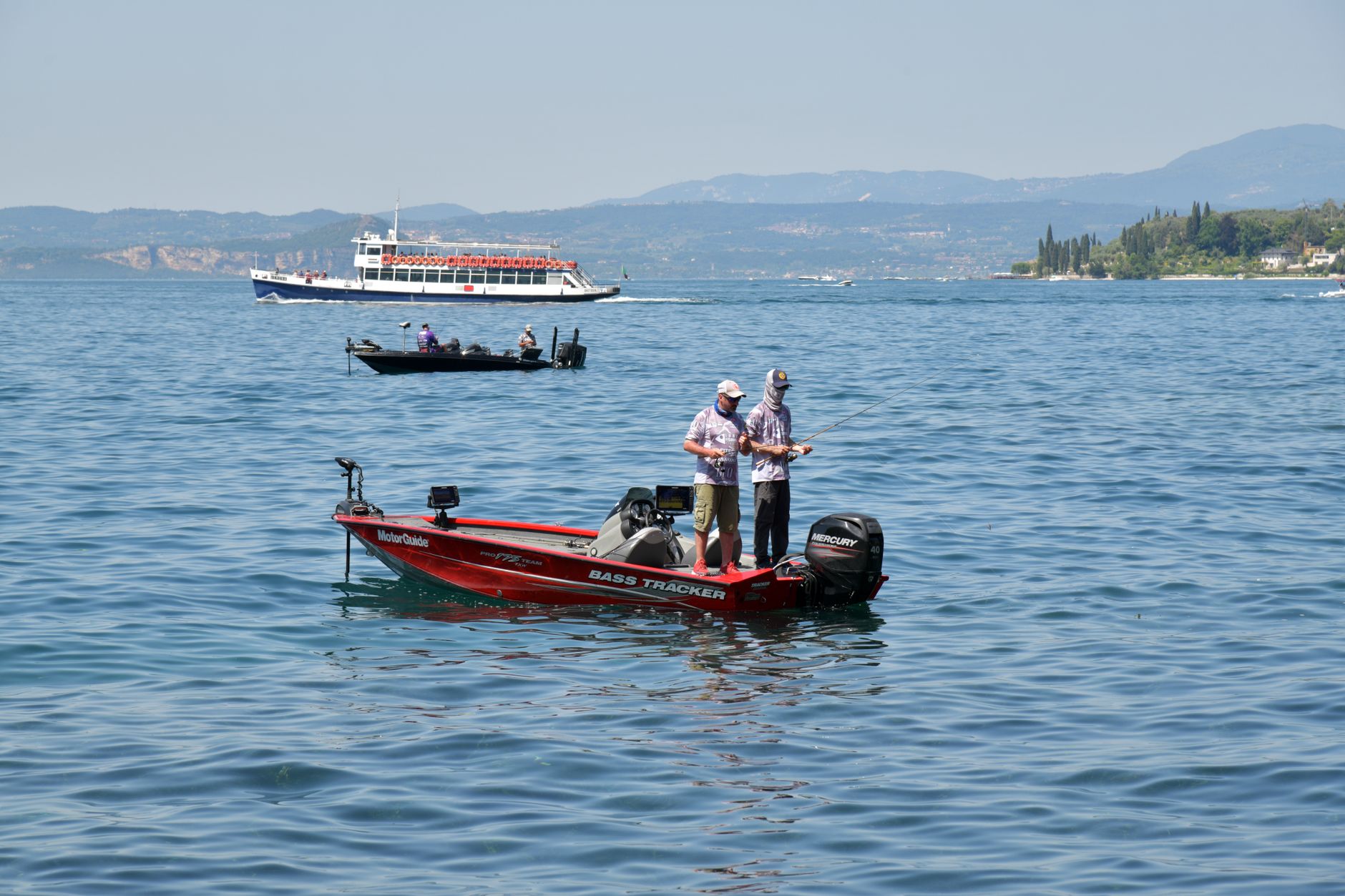
Originating from the towering peaks in the Crown of the Continent, the Flathead River system showcases pristine wilderness as it flows through distinct forks: the North, Middle, and South. Each section offers a unique fishing experience, featuring a range of conditions from rapid freestone sections to leisurely glacial flows. These forks converge to form the main river, sustaining one of the last remaining populations of native Westslope Cutthroat Trout in Montana.
Anglers value the Westslope Cutthroat as not only the state fish but also a symbol of Montana’s wild heritage. "The integrity of the Flathead system is a testament to sound environmental management and local stewardship," mentioned Emily Roberts, a conservationist with the Flathead Watershed Association. "Our commitment to preserving the wild nature of these waters ensures that future generations can enjoy fishing here, too."
Recognized as Wild and Scenic Rivers by Congress in the 1970s, the North, Middle, and South Forks of the Flathead are protected for their free-flowing waters and exceptional quality. This designation emphasizes the importance of maintaining the unique ecology within this watershed.
Vibrant Ecosystem Under the Surface
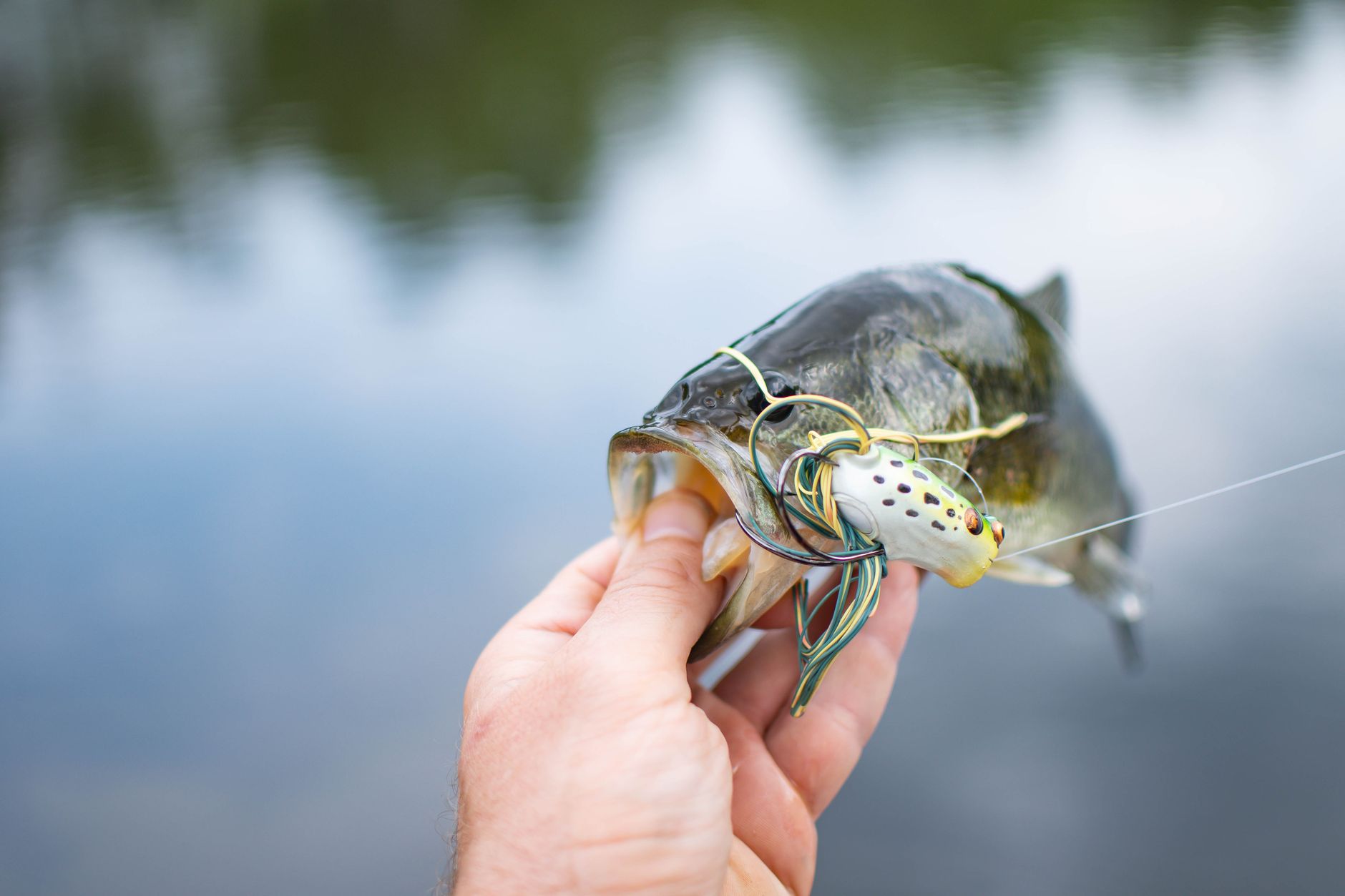
The Flathead River boasts a diverse aquatic ecosystem that supports an abundance of wildlife. The clean gravel beds, stable water flows, and rich riparian habitats create perfect conditions for insect hatches, contributing to prosperous trout populations. From stoneflies to mayflies and caddis flies, these insects provide ample opportunities for dry fly fishing throughout the year.
"Every time you cast into this river, you’re reminded of how interconnected the ecosystem is," said veteran angler, Tom Flynn. "We have not just trout here; the environment supports everything from whitefish to sculpin—so it’s crucial we protect this balance."
Practicing mindful angling is imperative to preserving this ecosystem. Anglers can contribute to sustainability through catch-and-release methods, careful handling of fish, and respect for designated spawning areas. As Roberts states, "Conservation isn’t just an adjunct to fishing here; it’s integral to the experience. Each angler has the chance to be a part of preserving this stunning river."
When to Fish: Seasons and Conditions

#### Spring: Renewal and Runoff
As spring lights up the Flathead River, the melting snow from the surrounding peaks raises water levels and rejuvenates the ecosystem. This is often a fruitful time for anglers, as the trout begin to feed on small stoneflies, midges, and mayfly nymphs in sheltered eddies and softer water seams.
"Spring fishing requires adaptability," noted local fishing guide, Sarah Lawson. "As runoff peaks in late May, visibility can become compromised. Guides often redirect their efforts to nearby lakes, where trout become increasingly active in the still waters."
#### Summer: The Peak of Dry Fly Action
"There’s something magical about summer evenings on the Flathead, with consistent hatches keeping the surface alive," Johnson shared. "It’s the most popular time for fishing, with action peaking through August. The warmth and the long days create the perfect setting for both novice and experienced anglers."
In conclusion, the Flathead River not only serves as a prime fishing destination but stands as a beacon of how responsible management and dedication to conservation can sustain natural ecosystems. As anglers continue to seek out the thrill of catching a native Westslope Cutthroat Trout, their efforts contribute to preserving one of Montana’s most cherished water bodies for years to come.