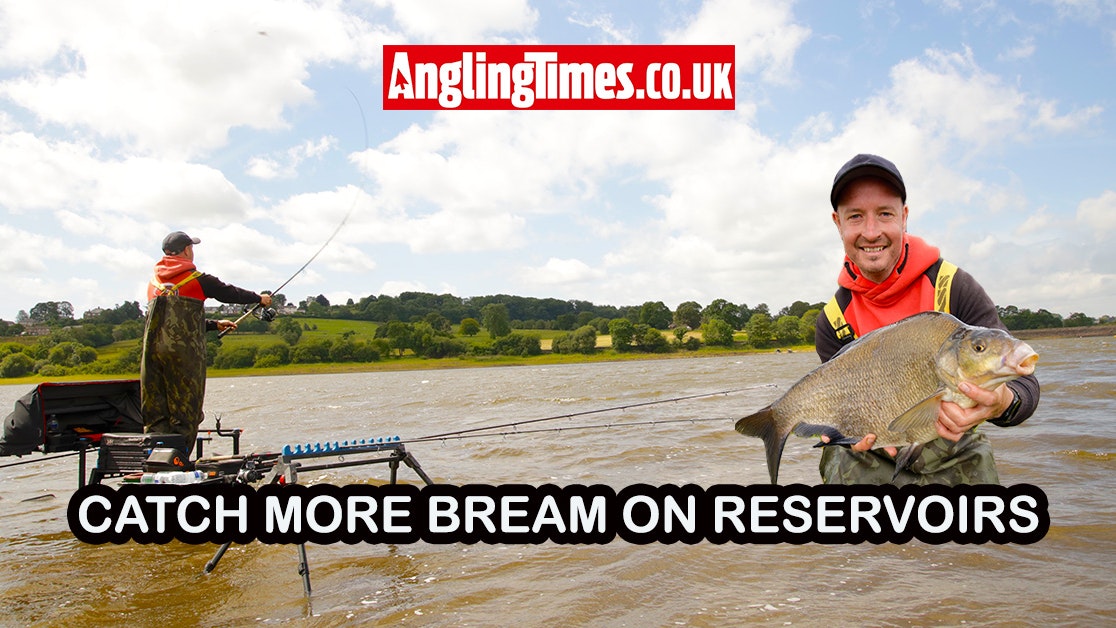
When it comes to targeting big bream in expansive waters, it's clear that traditional methods are evolving. Anglers are now shifting from the classic approach of using cage feeders and natural baits to embrace a more modern strategy that aligns with the evolving preferences of bream.
Feeder fishing expert Matt Heyes, who has spent years honing his skills at Foulridge Lower Reservoir in Lancashire, reflects on this transformation. "Foulridge has been a favourite of mine ever since I started fishing, and back then it was all about using lots of worms, casters and maggots," said Heyes. However, he noted, “If you were to go down that route these days, you probably wouldn’t get the best out of your peg.”
The shift in bait choices is evident as higher protein options like pellets and boilies have become more commonplace, primarily due to the influence of specimen carp anglers. "You’ll often see more bivvies than seatboxes here, and these modern-day anglers feed in a very different way, and the bream respond to this new approach,” Heyes added. Understanding these shifts is crucial for anglers aiming to stay competitive on the water.
Finding a suitable area to fish is critical. Anglers should seek flat, weed-free spots where they can effectively map out their swim. Utilizing a 2oz lead attached to a braided mainline on a baiting-up rod assists in locating the right areas. As explained by Heyes, “A braid with zero stretch and a stiff rod provides maximum feel as you drag the lead along the bottom, helping you understand the lakebed’s terrain.” This enables anglers to identify whether they are fishing over clear ground or encountering obstructions that could affect bait presentation.
Once a proper location is identified, it's important to put down a substantial amount of bait at the beginning of the session to attract bream. According to Heyes, an ideal feeding strategy involves using a combination of 4mm and 6mm pellets along with tins of corn mixed with Ringers Dark and Bag Up Carp groundbait. "An ideal carpet feed consists of a pint each of 4 mm and 6 mm pellets and two tins of corn mixed with equal parts Ringers Dark and Bag Up Carp groundbait," he insists. Delivering a significant amount — around fifteen feederfuls initially — creates an optimal area for bream to feed.
This high-volume feeding approach mimics techniques used by big-carp anglers and is intended to entice and hold the attention of bream. Furthermore, if there’s a run of catches followed by a lull, it’s advisable to continue replenishing the swim with another five feederfuls of bait, allowing anglers to regroup the shoal for renewed action.
In terms of equipment, Heyes recommends using a hybrid-style feeder that is particularly effective for reservoir fishing. The design, which weighs between 45g–60g, is front-weighted, enhancing casting accuracy. He advises, “Choose a hybrid feeder weighing 45 g–60 g; lean towards the lighter side when conditions allow.” Using a long-distance feeder rod paired with 0.08 mm braid and a durable 0.16 mm shock leader can significantly enhance performance in challenging wind conditions.
Ultimately, as the tactics for bream fishing adapt, so too must anglers' approaches. The embrace of modern baiting techniques and equipment plays an essential role in achieving greater success on the water. With the fishing landscape continually changing, staying flexible and informed is key for those eager to reel in big bream this season.