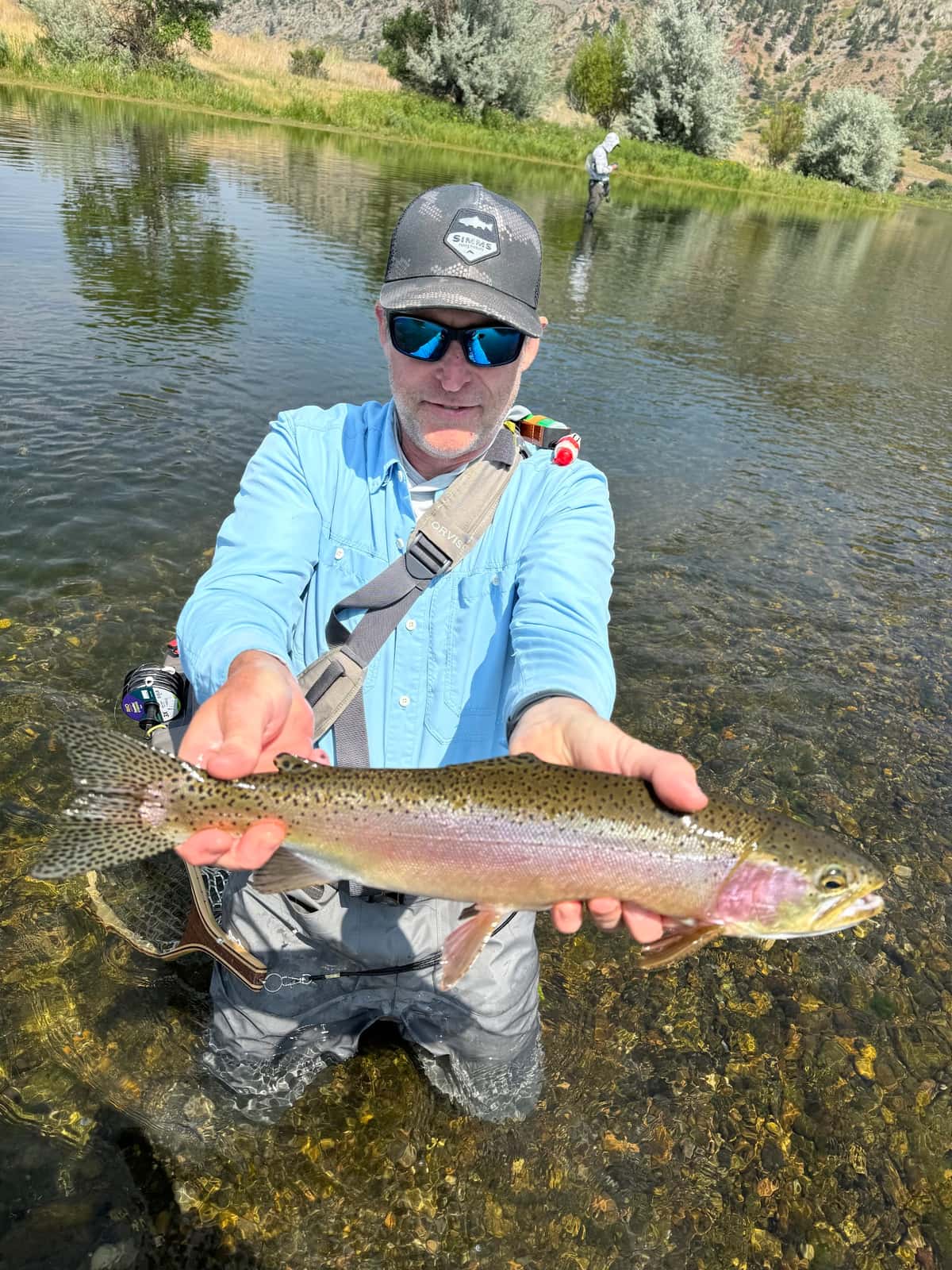
Hooking a trout is merely the beginning of a challenging endeavor for anglers. Navigating high waters, managing strong currents, and adhering to barbless regulations are crucial for successfully landing and releasing these fish. With a focus on these aspects, this guide is crafted to enhance your trout fishing experience.
Having experienced the disappointment of losing prized trout in Colorado by rushing the netting process, I developed this comprehensive guide. It aims to ensure that every hook-up translates into a successful landing while promoting the health of the fish. The following sections detail the stages involved—hook set, control, fight, net, and release—creating a definitive approach to converting more catches into handshakes.
"I built this updated checklist after losing three dream trout on the Colorado when I rushed the net job," I noted, emphasizing the importance of a diligent approach.
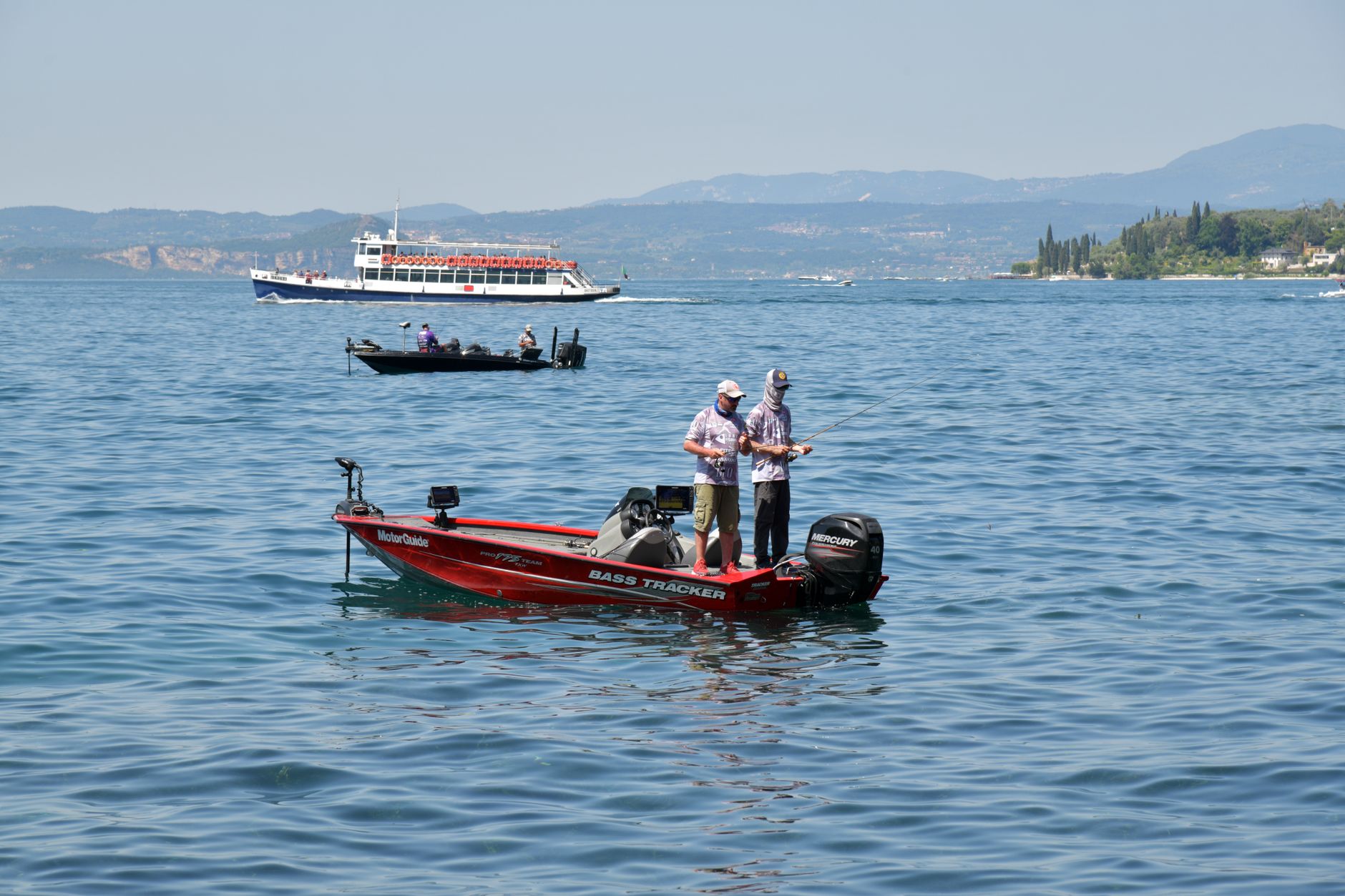
Key Facts on Landing Trout
Understanding the foundational elements of trout fishing can often make the difference between success and failure. This guide outlines some pivotal facts:
- **Key Challenge**: Barbless hooks necessitate perfect technique, leaving no room for mistakes. - **Critical Stages**: The process includes hook set, control, fight, netting, and release. - **Top Techniques**: Utilizing side pressure, controlling the rod angle, fishing from the bank, and head-first netting are effective strategies. - **Recommended Gear**: Essential items include a wading staff, a rubber net, a wading belt, and sharp hooks. - **Safety Protocol**: A crucial safety rule is to avoid high-sticking, ensuring the rod stays below 60° to prevent breakage.
Mastering the Hook Set
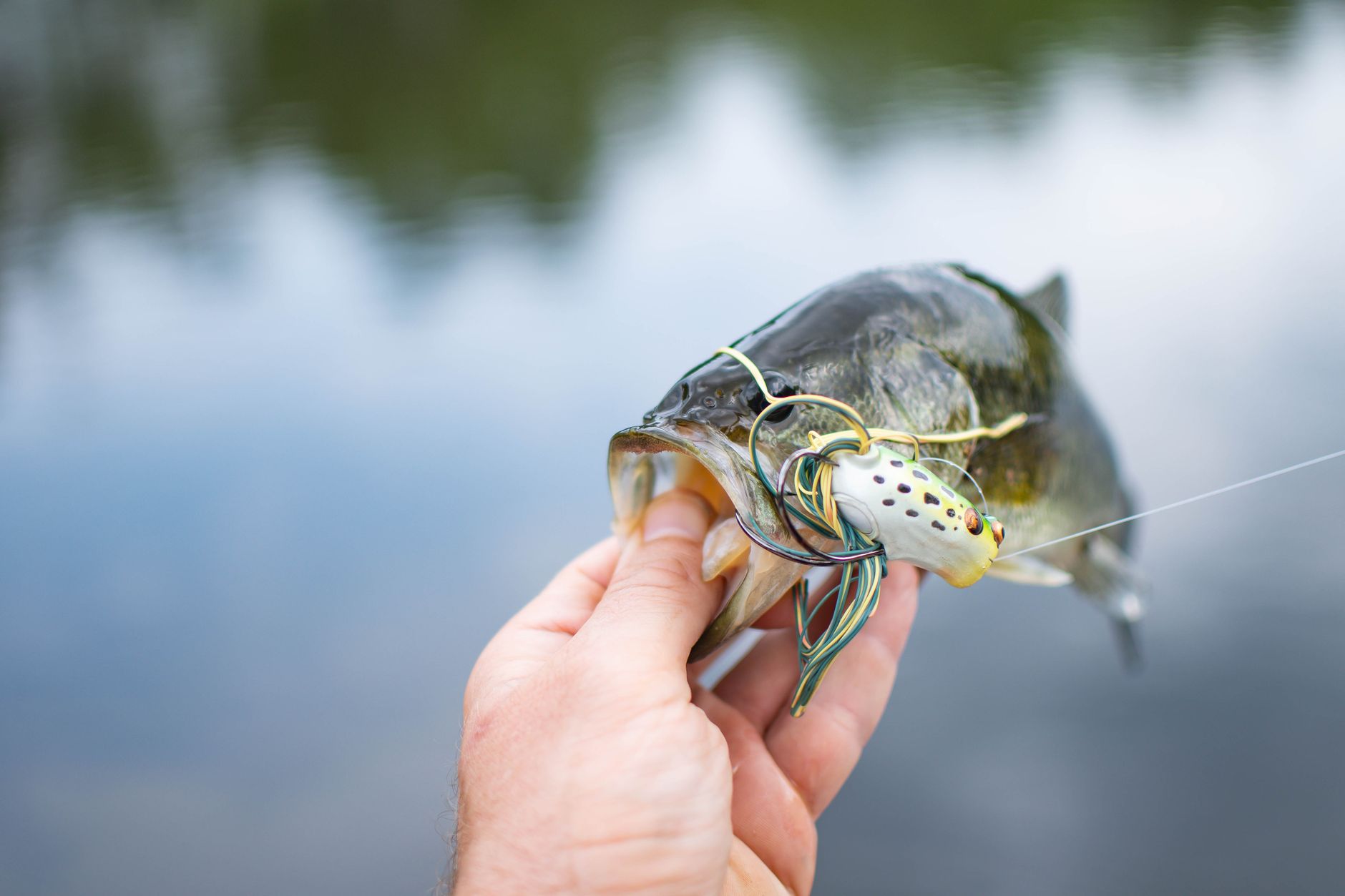
The journey of landing a trout begins with the hook set. The key is immediate reaction when a fish strikes. Timing and direction are paramount here. "Hesitation is the main reason barbless hooks pop free," I stressed, underscoring the need for prompt action.
From quick wrist lifts for shortline techniques to smooth sweeps for indicator rigs, the right rod motion varies based on the situation.
#### Hook Set Checklist: 1. Pinch the line against the cork for maximum control. 2. Lift the rod while stripping slack to ensure a solid hook placement. 3. Maintain a low elbow to prevent high-sticking. 4. Transition quickly to a fighting posture to optimize reaction time.
Establishing Control

Once the hook is set, establishing control over the fish is vital. Here’s a quick breakdown of effective rod angles for different scenarios:
| Situation | Rod Angle | Benefit | |------------------------|-------------------------|-----------------------------------------------| | Side pressure in seams | 45° to 60° sideways | Turns the fish's head, causing imbalance. | Fast current | Rod low to downstream | Utilizes current to tire the fish without straining the tippet. | Near vertical structures| Rod high but behind fish | Helps lift the fish’s head and guides it away from snags. | Netting near feet | Rod low, tip upstream | Assists in guiding the trout into the net opening.
Managing Pressure During the Fight
When fighting a trout, maintaining consistent pressure is essential, especially when using barbless hooks. Avoid aggressive pumping and aim for a steady bend in the rod.
"For small fish, strip to the net; for larger fish, reeling keeps things organized," I suggested, advising anglers about footwork and strategic positioning during fights, with open communication being crucial when boating.
Conclusion
Successfully landing trout is an art that combines skill, awareness, and the right techniques. This blueprint not only emphasizes the mechanics of each stage—from the hook set to releasing the caught fish—but also fosters respect for the environment and the fish themselves. Through practice and adherence to these guidelines, anglers can witness improvements in their fishing success.
Ultimately, knowing these essentials and connecting with them through practice can significantly enhance your fly fishing endeavors in 2026 and beyond.