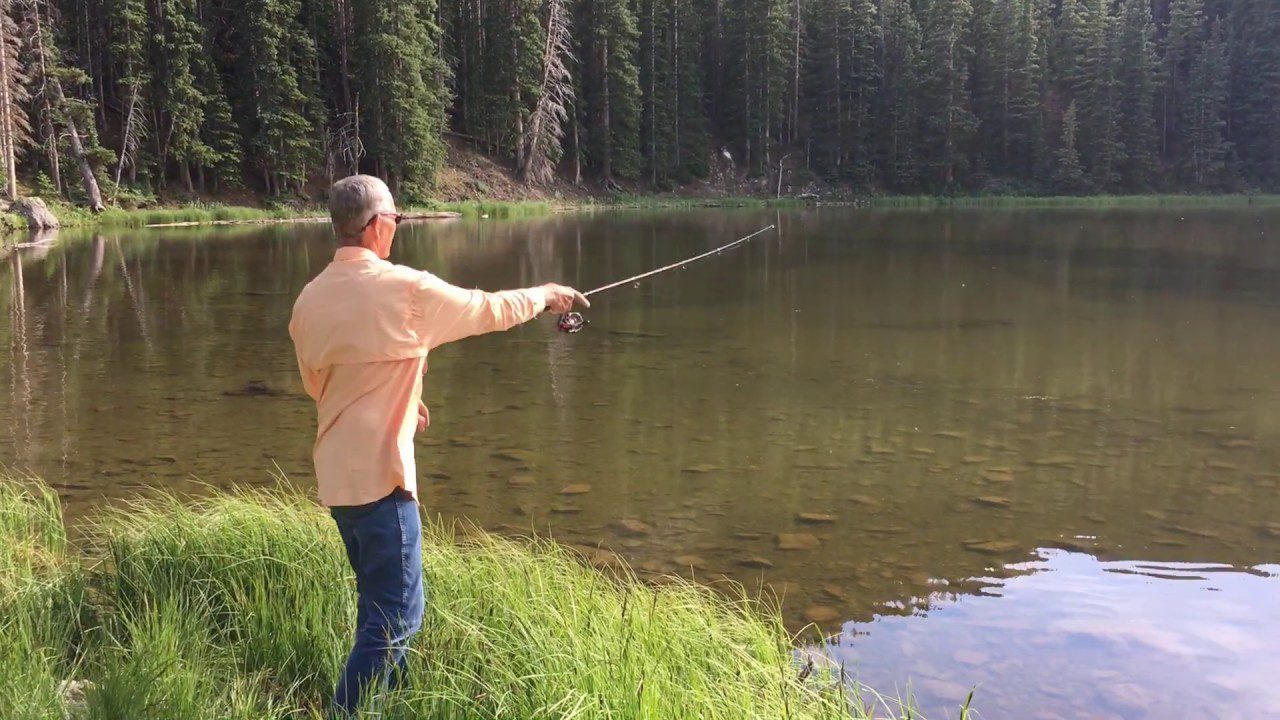
As winter gives way to spring, New Mexico's diverse trout waters are preparing to welcome anglers from around the world for what promises to be an exceptional 2025 fishing season. From trophy-sized rainbow trout in world-renowned rivers to native cutthroat species in pristine mountain streams, the Land of Enchantment continues to establish itself as a premier destination for serious trout fishing.
The state's fishing landscape offers something for every angler, whether they prefer the technical challenges of dry fly fishing, the productive depths reached through nymphing techniques, or the aggressive strikes that come with streamer tactics. Each method finds its place across New Mexico's varied aquatic environments, from powerful tailwaters to intimate mountain brooks.
Leading the charge among the state's fishing destinations is the legendary San Juan River, flowing below Navajo Dam in the northwest corner of New Mexico. This tailwater fishery has earned international recognition for producing trophy-sized rainbow and brown trout, with average fish ranging from 16 to 18 inches and larger specimens regularly testing the skills of even experienced anglers.
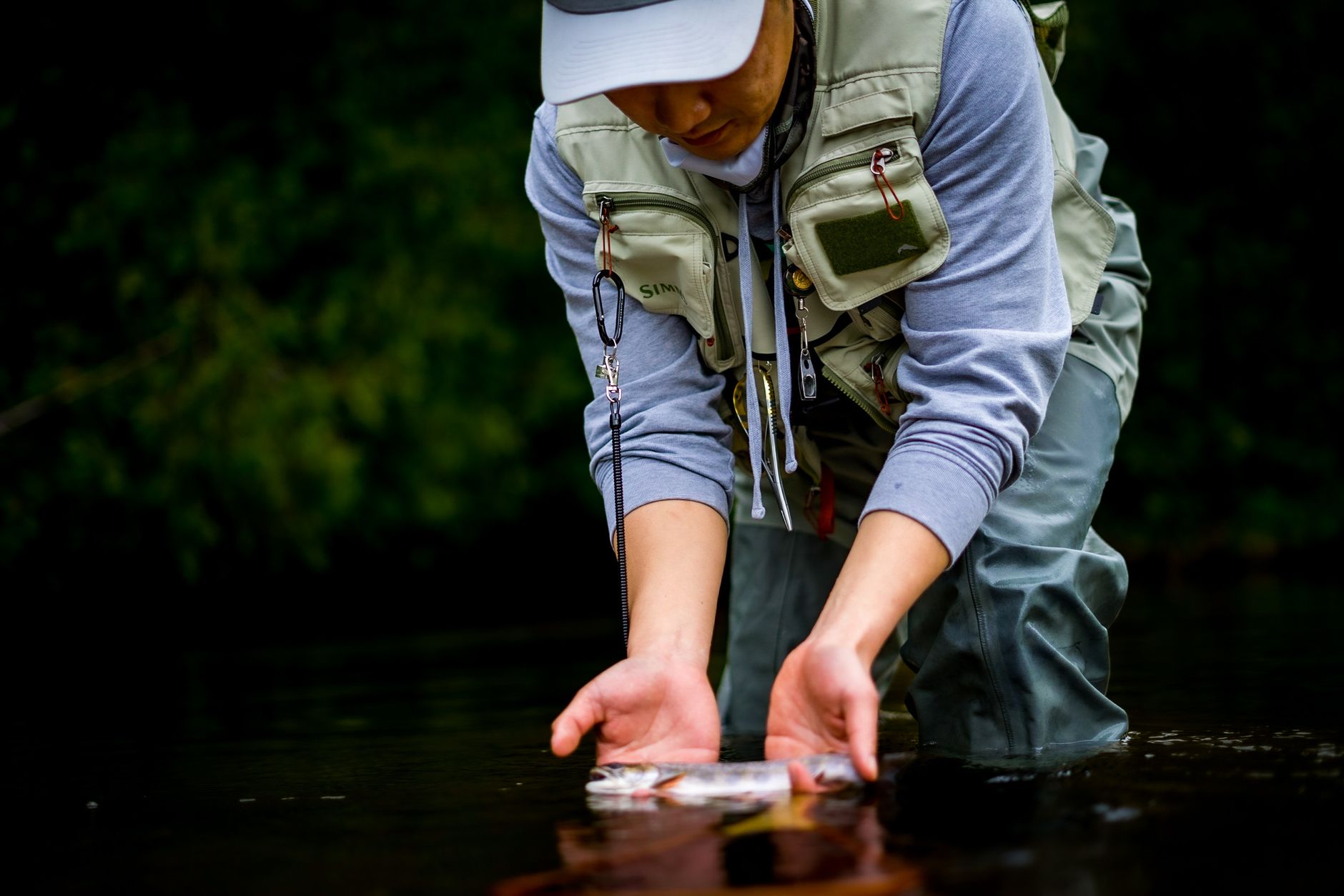

"The Quality Waters section, particularly the Texas Hole and Upper Flats, are must-visit spots for serious anglers," said local expert guide Jake Thompson, whose years on the river have taught him the nuances of this challenging fishery.
"The Quality Waters section, particularly the Texas Hole and Upper Flats, are must-visit spots for serious anglers,"
The San Juan's reputation isn't built solely on fish size – it's the consistent quality of the fishing experience that draws anglers back year after year. Even during the slower winter months, the river continues to produce for those willing to adapt their approach to changing conditions.
"In winter, even though fishing might slow, trout are still there. It's about the right approach—use small nymphs and take a slow presentation," Thompson explained, emphasizing the importance of patience and technique refinement during the colder months.
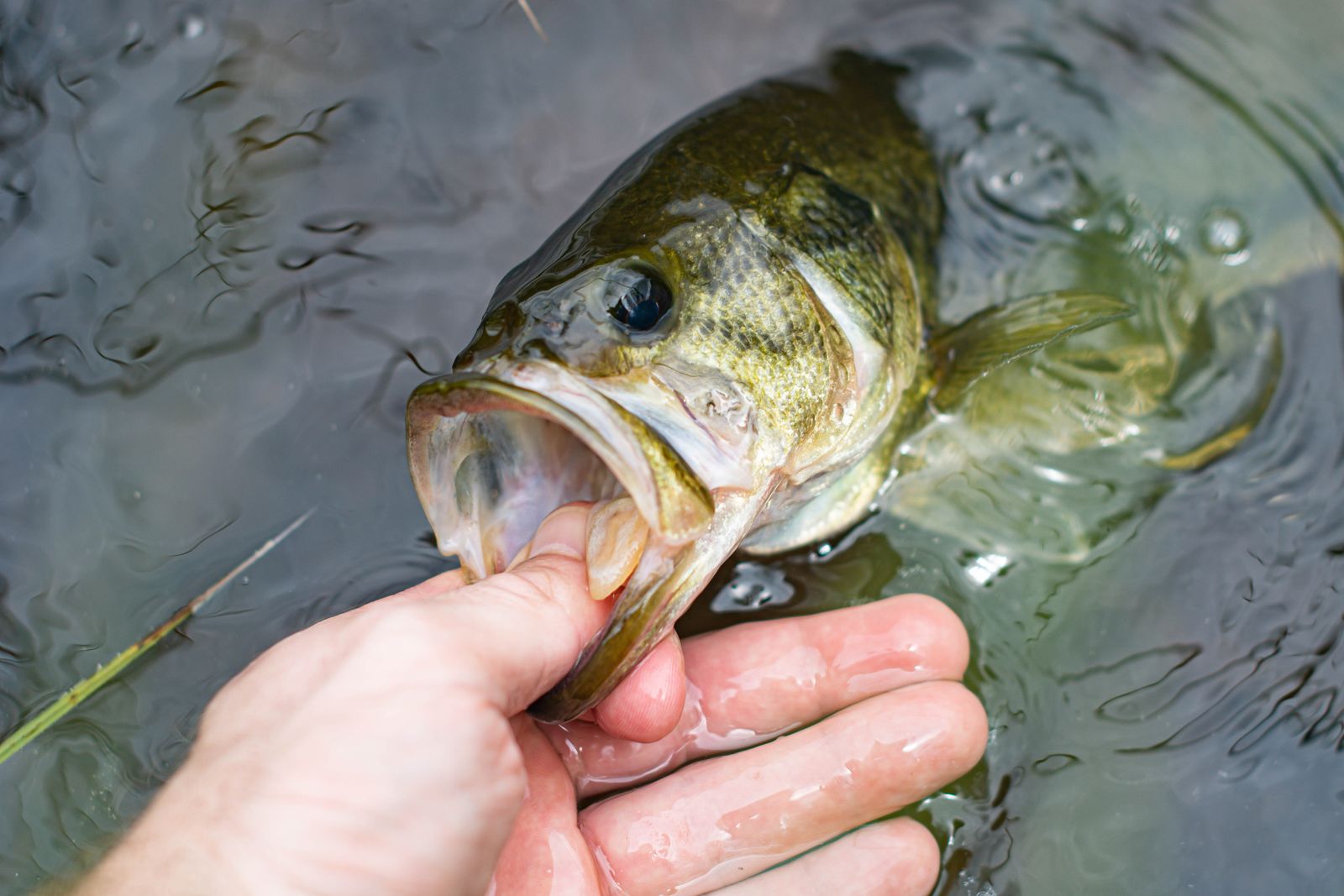
While the San Juan River garners much of the attention, the Rio Grande River presents its own compelling case for anglers seeking variety and adventure. The upper sections near the Taos Junction Bridge offer a diverse fishery that includes native brown trout, German browns, rainbow trout, and the occasional northern pike – adding an element of surprise to every cast.
The Rio Grande's special regulations have been instrumental in sustaining healthy trout populations, creating opportunities for anglers to experience the full spectrum of New Mexico's trout fishing potential. The river's varied structure and flow patterns require anglers to stay adaptable, switching between techniques as conditions dictate.
Career Journey
Career Journey
Career Journey
"Spring is the peak time for trout as rising waters signal increased fish activity. For pike, early spring is key," noted fishing guide Maria Reyes, whose expertise spans both the trout and pike fishing opportunities the Rio Grande provides.
Reyes recommends bright spinners for targeting trout, while suggesting larger bait presentations for anglers hoping to connect with the river's pike population, which adds an unexpected warmwater element to what is primarily a coldwater fishery.
For anglers seeking a balance between productivity and scenic beauty, the Chama River presents an irresistible combination. Flowing through some of New Mexico's most picturesque landscapes, the river below El Vado Reservoir has built a reputation for producing impressive trout, with fish commonly reaching 18 to 20 inches.
Career Journey
Career Journey
"Late spring to early summer is the prime fishing window," advised local angler Tom Santos, whose experience on the Chama has taught him to time his visits with the river's most productive periods.
"Late spring to early summer is the prime fishing window,"
Santos emphasizes the effectiveness of streamers and nymphs such as Copper Johns when working the deeper sections of the river, while recommending that anglers stay prepared with PMDs and Green Drakes during the peak hatch periods that can turn an ordinary day into something extraordinary.
The Jemez River and its tributaries, including the East Fork and San Antonio Creek, offer perhaps the most intimate fishing experiences available in New Mexico. These mountain streams have evolved into a fly-fishing paradise, combining stunning high-country scenery with opportunities to target both brown trout and the rare Rio Grande cutthroat trout – a species that represents New Mexico's native trout heritage.
Career Journey
"Early summer is the best time to fish here, with ample insect activity," noted Cheryl Martinez, a fly-fishing instructor who has spent countless hours perfecting techniques on these smaller waters.
"Early summer is the best time to fish here, with ample insect activity,"
Martinez cautions anglers about the challenging winter conditions on these high-elevation streams but encourages those fishing the larger sections to experiment with small jigs and spinners in deeper pools. For the smaller tributary streams, she advocates returning to traditional dry fly patterns like Elk Hair Caddis and Stimulators, which can produce remarkable results during active hatch periods.
As 2025 unfolds, New Mexico's trout waters stand ready to provide anglers with experiences that range from technically demanding to purely scenic. Success across these diverse fisheries requires adherence to New Mexico Department of Game and Fish regulations, respect for the resource, and a willingness to adapt techniques to match specific water conditions.
> The combination of expert local knowledge, proven fishing strategies, and New Mexico's remarkable aquatic diversity creates opportunities for memorable fishing experiences that will keep anglers returning to the state's waters season after season.