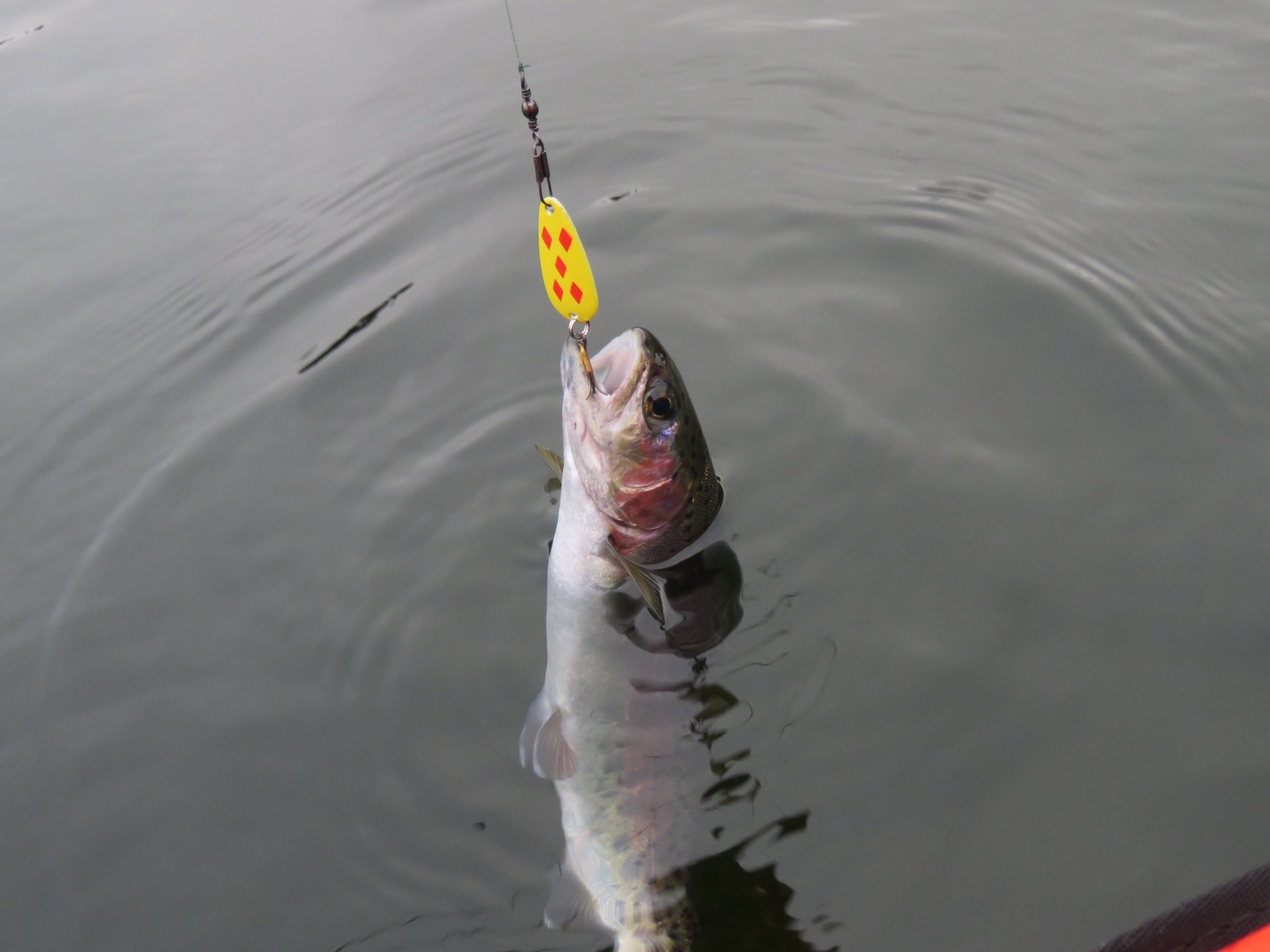
Trout fishing remains one of the most beloved outdoor activities among anglers, but succeeding in this pursuit requires a blend of knowledge, skill, and a fair amount of patience. Whether you are a seasoned fisher or just starting, understanding the nuances of trout behavior can greatly enhance your chances of landing that prized catch.
"Trout are incredibly sensitive to their environments and can be territorial," said Bob Miller, a local fishing expert. To effectively target these fish, recognizing their habitat choices is crucial. Trout are typically found in cold, clean waters, often hiding in shaded areas or near structures like rocks and fallen trees.
"Trout are incredibly sensitive to their environments and can be territorial,"
When it comes to techniques, skilled anglers often emphasize the importance of using the right bait. "Live bait, such as worms or minnows, can be incredibly effective," shared Sarah Williams, a seasoned angler. She also noted that artificial lures can work wonders, especially those mimicking natural prey.
"Live bait, such as worms or minnows, can be incredibly effective,"

Career Journey

Knowing when to fish is equally important. Trout are more active during cooler times of the day—early morning and late afternoon. "Timing can make all the difference. If you're out there during the heat of the day, you might not have much luck," explained John Stevens, a fishing guide with over a decade of experience.
Gear selection should not be overlooked, either. Using lighter tackle can greatly enhance the fishing experience, allowing anglers to feel even the slightest nibble. "A light rod with a sensitive tip gives you an edge," said Emily Johnson, an avid trout fisher. This kind of setup provides better feedback when trout are striking.
"A light rod with a sensitive tip gives you an edge,"
Impact and Legacy
Casting techniques including precision and stealth can also influence success rates. "Being quiet and methodical in your approach can lead to a more fruitful day on the water," advised Mike Green, a pro fisherman who has competed in various tournaments. He added, "You want to present your bait as naturally as possible to entice the fish."
"Being quiet and methodical in your approach can lead to a more fruitful day on the water,"
Overall, adapting to changing conditions is vital in increasing your chances of reeling in a trophy trout. "Weather can affect trout behavior significantly. On overcast days, they tend to come closer to the surface," noted Fisher, an expert in natural fishing patterns.

Looking Ahead
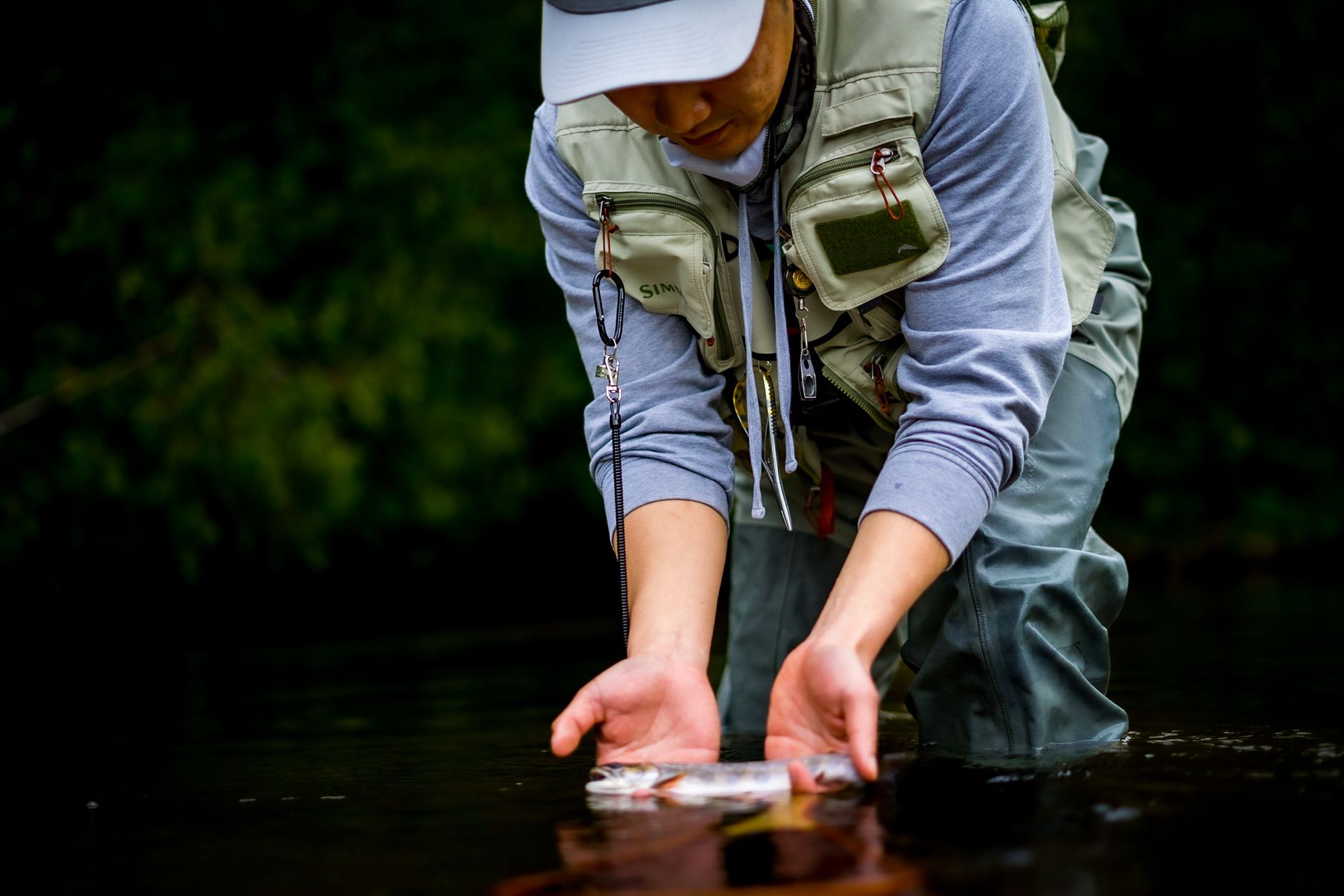
Additionally, staying knowledgeable about local regulations is key. Anglers should ensure they are aware of size limits and catch-and-release policies to maintain sustainable fishing practices. "Conservation is essential. We want future generations to enjoy fishing as much as we do and this requires responsible practices," said Laura Sanchez, a state environmental officer.
Ultimately, trout fishing combines both technique and respect for nature. While it can be a challenging task, each trip offers opportunities for learning and growth. Newcomers are encouraged to seek advice from local experts and experienced anglers to further hone their skills. "Never hesitate to ask experienced fishermen for tips—most love sharing their knowledge," suggested Bill Thompson, a friendly face at the local bait shop.
"Never hesitate to ask experienced fishermen for tips—most love sharing their knowledge,"
With these techniques, insights, and a bit of patience, anglers can set themselves up for a day of making memories while enjoying the great outdoors. As the fishing seasons change, so too should one’s tactics, ensuring that every outing is as successful and enjoyable as possible.