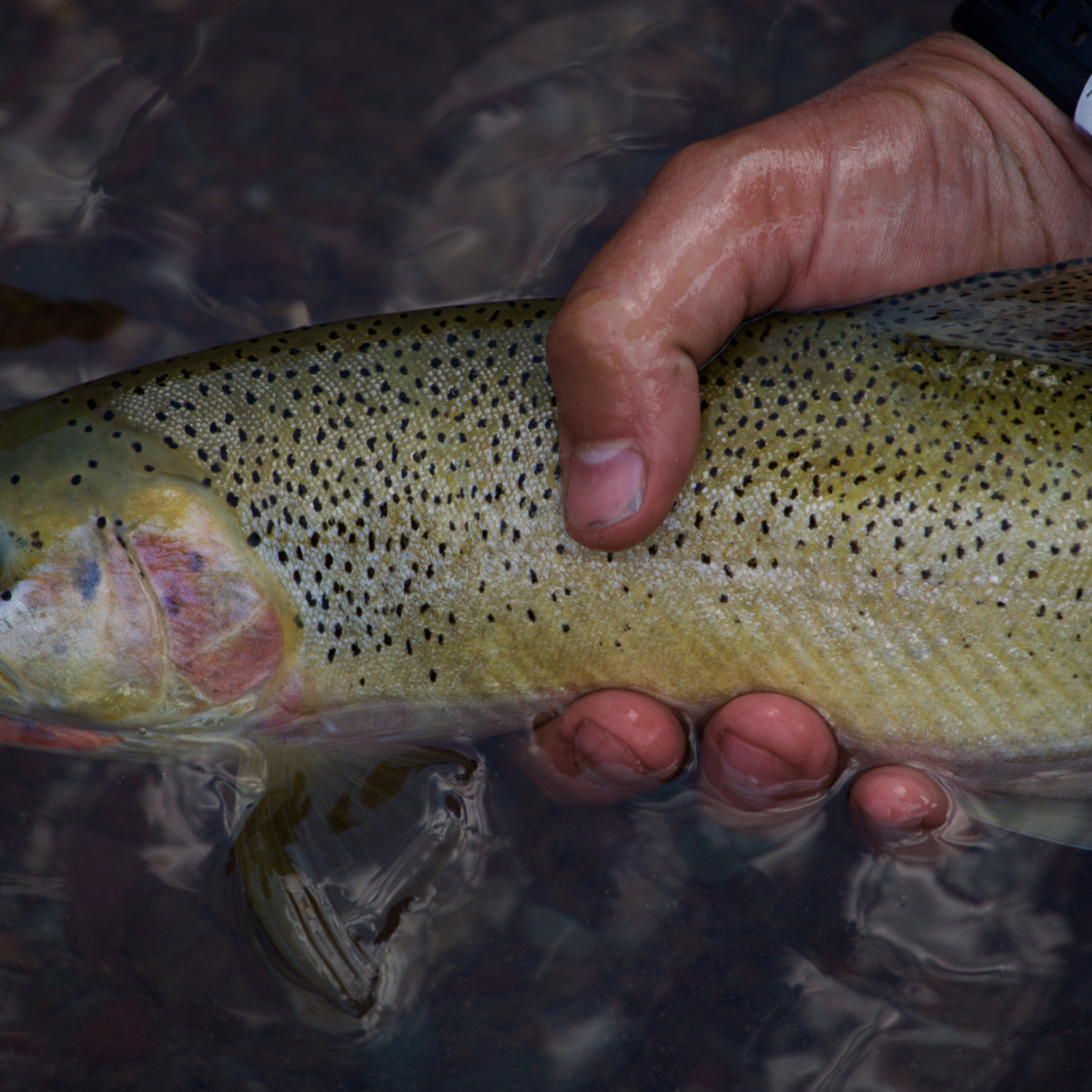
For many fishing enthusiasts, the pursuit of trout represents more than just another day on the water—it's a gateway to understanding the intricate relationship between angler and environment that has captivated outdoor lovers for generations.
"Whether it's a dry fly sip in a stream or a violent smash on a spoon lure, trout fishing is an unforgettable experience," shared a passionate angler describing the unique thrill these fish provide. Despite their relatively modest size compared to other game species, trout have earned a devoted following thanks to their vibrant coloration, selective feeding habits, and preference for pristine waterways.
"Whether it's a dry fly sip in a stream or a violent smash on a spoon lure, trout fishing is an unforgettable experience,"
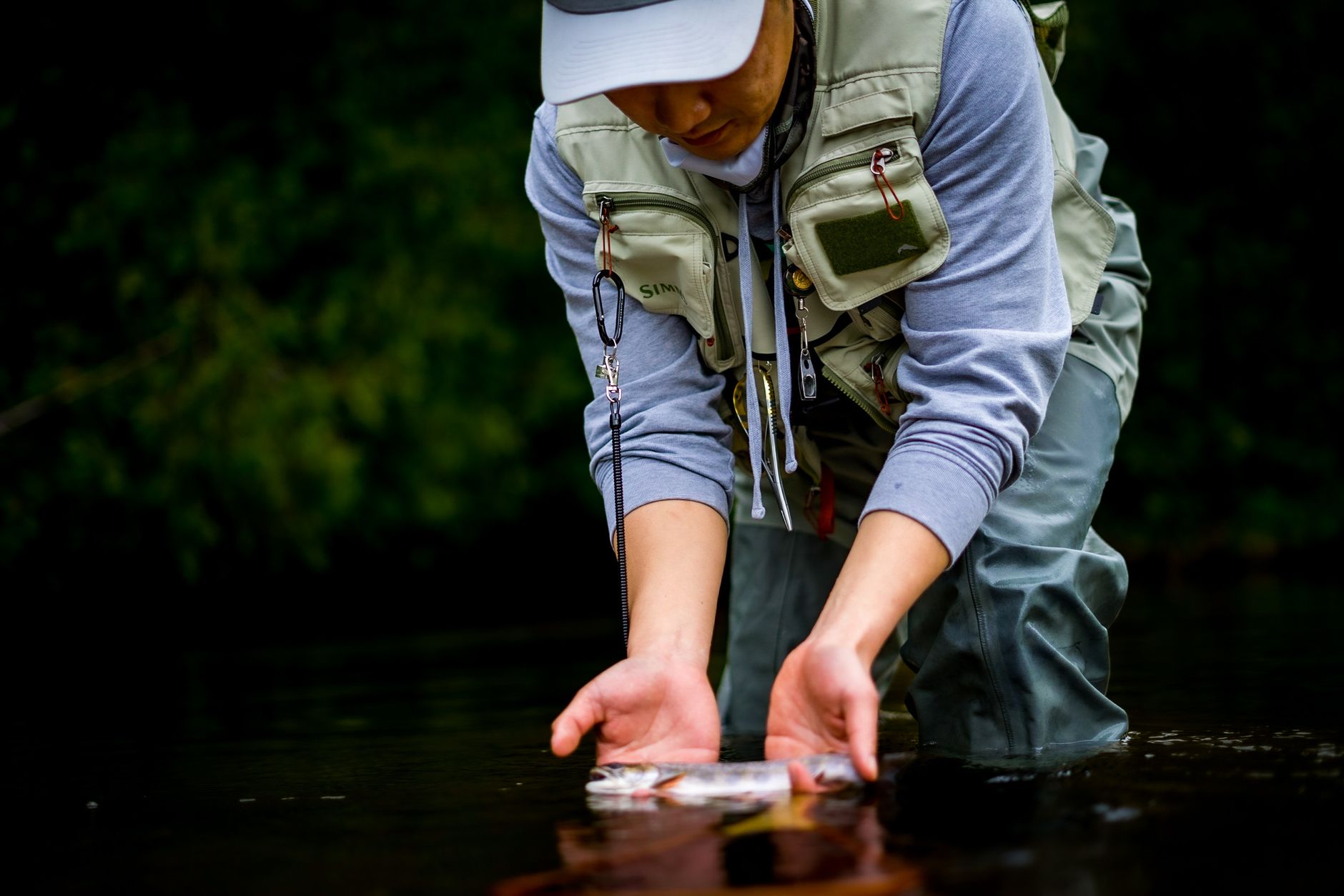

The appeal of trout fishing lies partly in its accessibility to both newcomers and seasoned veterans. For countless anglers, landing their first trout becomes a defining moment that sparks a lifelong connection to the sport and the natural world. This cross-generational appeal has helped maintain trout fishing as one of the most popular forms of angling across North America.
**Understanding the Challenge**
Impact and Legacy
Impact and Legacy
Impact and Legacy
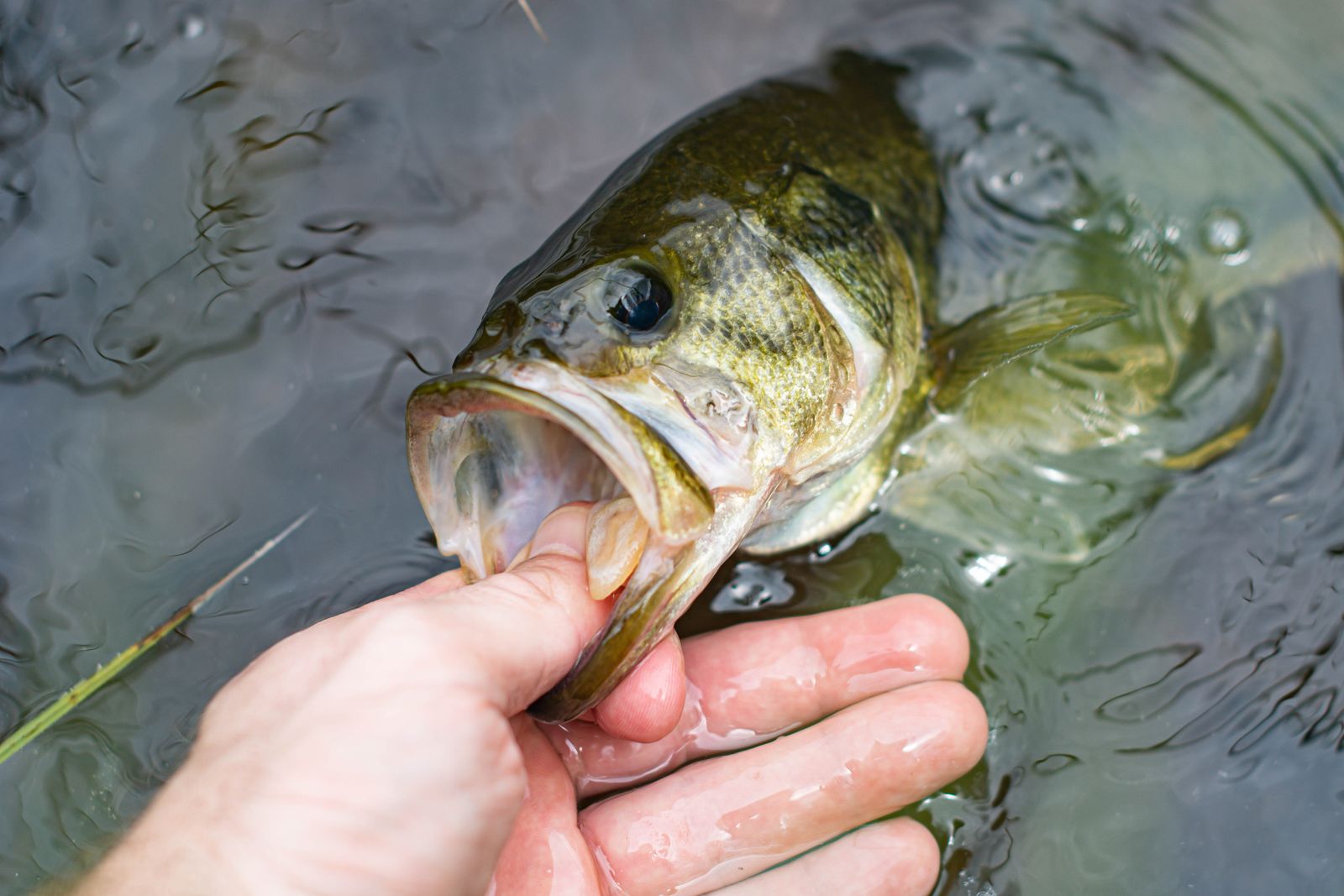
What makes trout fishing particularly engaging is the fish's reputation for being unpredictable. Expert angler Mike Johnson explains the complexity: "Trout can be fickle fish. Their feeding habits are often dictated by insect hatches, water temperature and ambient temp, among other factors." These environmental variables can dramatically influence trout behavior, sometimes causing them to become completely inactive for extended periods, testing even experienced anglers' patience and skill.
This variability means successful trout fishing requires adaptability. During warmer months, trout often exhibit more aggressive feeding patterns, while colder periods demand subtler approaches and refined techniques. Understanding these seasonal shifts has become fundamental knowledge for anyone serious about consistent success on the water.
**Spinner Fishing Takes Center Stage**
Among the various techniques employed by trout anglers, spinner fishing has emerged as particularly effective and accessible. Seasoned angler Susan Lee highlights its advantages: "It requires less finesse than other techniques and is great at eliciting a bite, sometimes by triggering a trout's predatory instinct."
The spinner technique involves casting metallic lures across water bodies and retrieving them at moderate speeds. The spinning blade catches and reflects light while creating vibrations that mimic wounded baitfish—a combination that can prove irresistible to hunting trout.
The approach varies significantly depending on the fishing environment. In lakes, anglers typically cast from shorelines or docks, allowing the lure to sink briefly before beginning a smooth retrieve. Success often comes from experimenting with retrieval speeds and incorporating quick twitches that simulate a struggling fish, drawing curious trout from deeper water.
River and creek fishing presents different challenges that require understanding water dynamics. Fishing guide Tom Redding emphasizes targeting specific areas: "Focus on seams, eddies, and pools." He recommends casting toward overhanging brush, undercut banks, and other structures where trout typically rest and ambush prey.
The key to river spinner fishing lies in reading the water and identifying where currents slow, creating resting spots for fish. This requires patience and careful observation—skills that separate successful river anglers from those who simply cast randomly and hope for the best.
**The Art of Fly Fishing**
While spinner fishing offers straightforward effectiveness, fly fishing appeals to those drawn to the sport's more artistic elements. This technique involves casting delicate lines and presenting artificial flies designed to mimic insects and other natural food sources.
Fly fishing utilizes three main categories of artificial flies: dry flies that float on the surface, nymphs that imitate underwater insect stages, and streamers that represent small fish or large insects. Each category requires different presentation techniques and is most effective under specific conditions.
"It's all about presentation and timing," explained avid fly fisher Linda Grant, highlighting the precision required for success. Fly fishing demands understanding not just of trout behavior but also of the insects they feed on, requiring anglers to match their artificial offerings to whatever natural food sources are most abundant at any given time.
"It's all about presentation and timing,"
**Seasonal Considerations Drive Strategy**
Biologist Mark Reynolds emphasizes the importance of understanding trout dietary patterns throughout different seasons, noting that "feeding habits explained further contribute to effective fishing, as understanding when and how they feed can elevate an angler's strategy."
Career Journey
Career Journey
This biological knowledge helps anglers time their trips and select appropriate techniques. Spring often brings increased insect activity and aggressive feeding as trout recover from winter's lean months. Summer requires early morning or evening fishing when temperatures are cooler and insects more active. Fall sees trout feeding heavily before winter, while winter fishing demands slower presentations and deeper water targeting.
As trout fishing continues to attract new participants while retaining its dedicated base of experienced anglers, the combination of accessible techniques like spinner fishing and more challenging approaches like fly fishing ensures the sport's continued growth. The pursuit of these colorful, challenging fish in pristine environments offers both immediate excitement and long-term connection to the natural world that few outdoor activities can match.