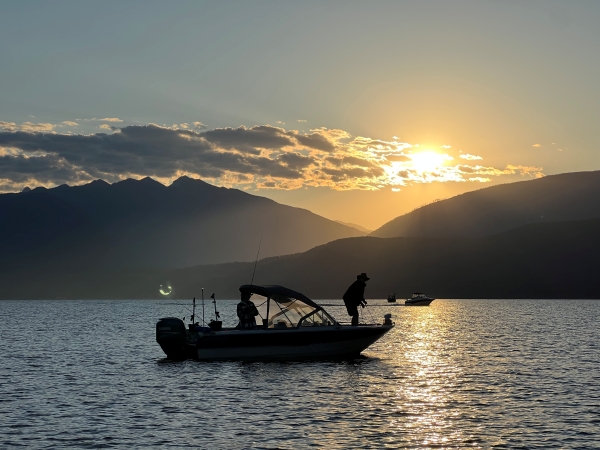
British Columbia's pristine lakes have long served as a magnet for fishing enthusiasts, offering some of North America's most rewarding freshwater angling experiences. The province's vast waterways teem with prized species including rainbow trout, bull trout, lake trout, brook trout, and kokanee, creating opportunities for both seasoned anglers and newcomers to the sport.
Among the various fishing techniques available, trolling has emerged as the preferred method for successfully landing these coveted fish. The technique, which involves dragging baited lines through the water behind a moving boat, offers distinct advantages over stationary fishing methods.
"Trolling allows you to cover vast areas and fish deeper than many other methods," explained one experienced angler familiar with BC's lake systems. This mobility proves crucial when targeting fish species that may be scattered across large water bodies or holding at specific depths.
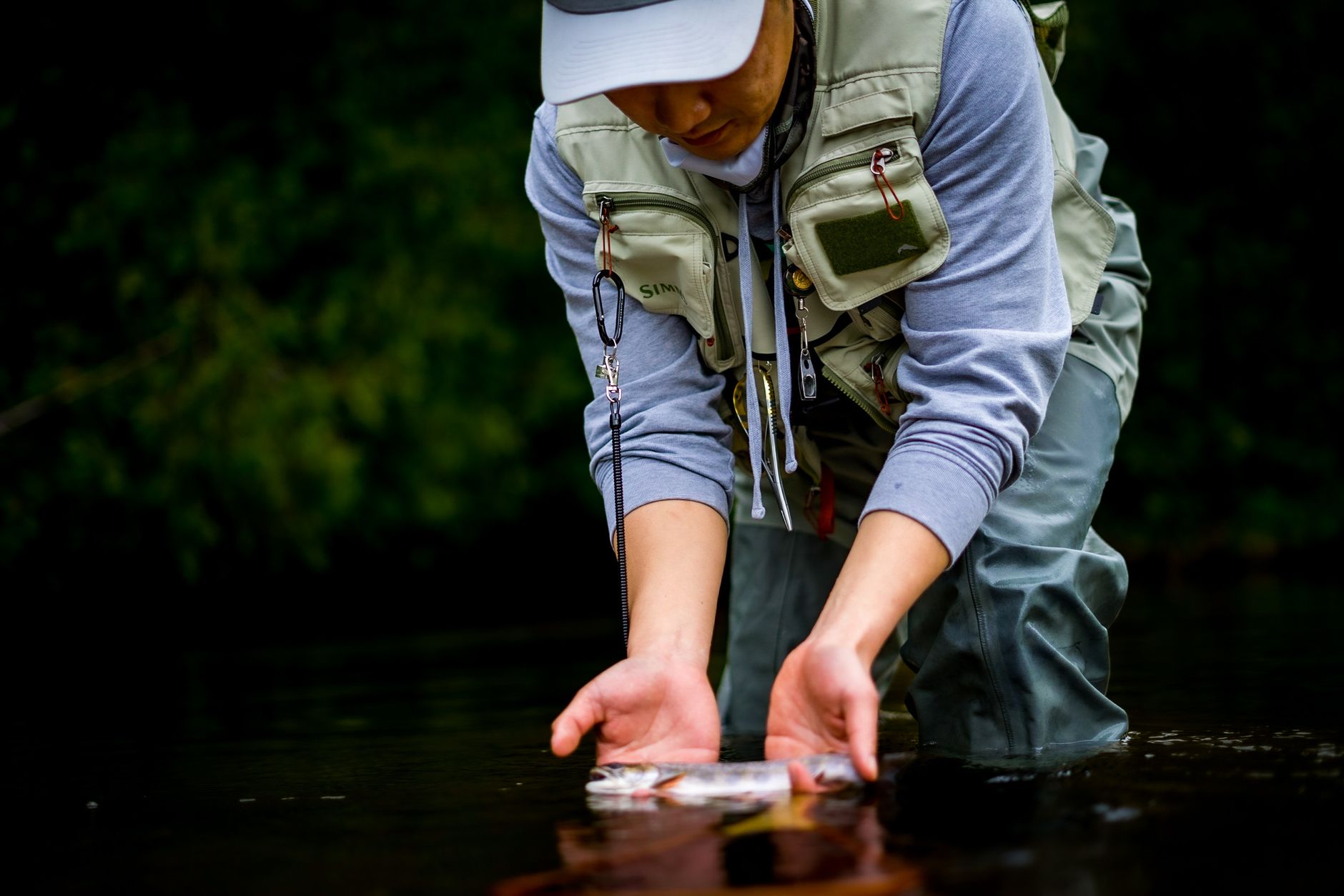
"Trolling allows you to cover vast areas and fish deeper than many other methods,"

While the prospect of trolling can initially feel overwhelming for newcomers, mastering the fundamental techniques proves more straightforward than many anticipate. Success in trolling centers on four critical areas: proper equipment selection, strategic lure choices, understanding fish behavior and location patterns, and developing effective trolling techniques and speed control.
**Essential Equipment Selection**
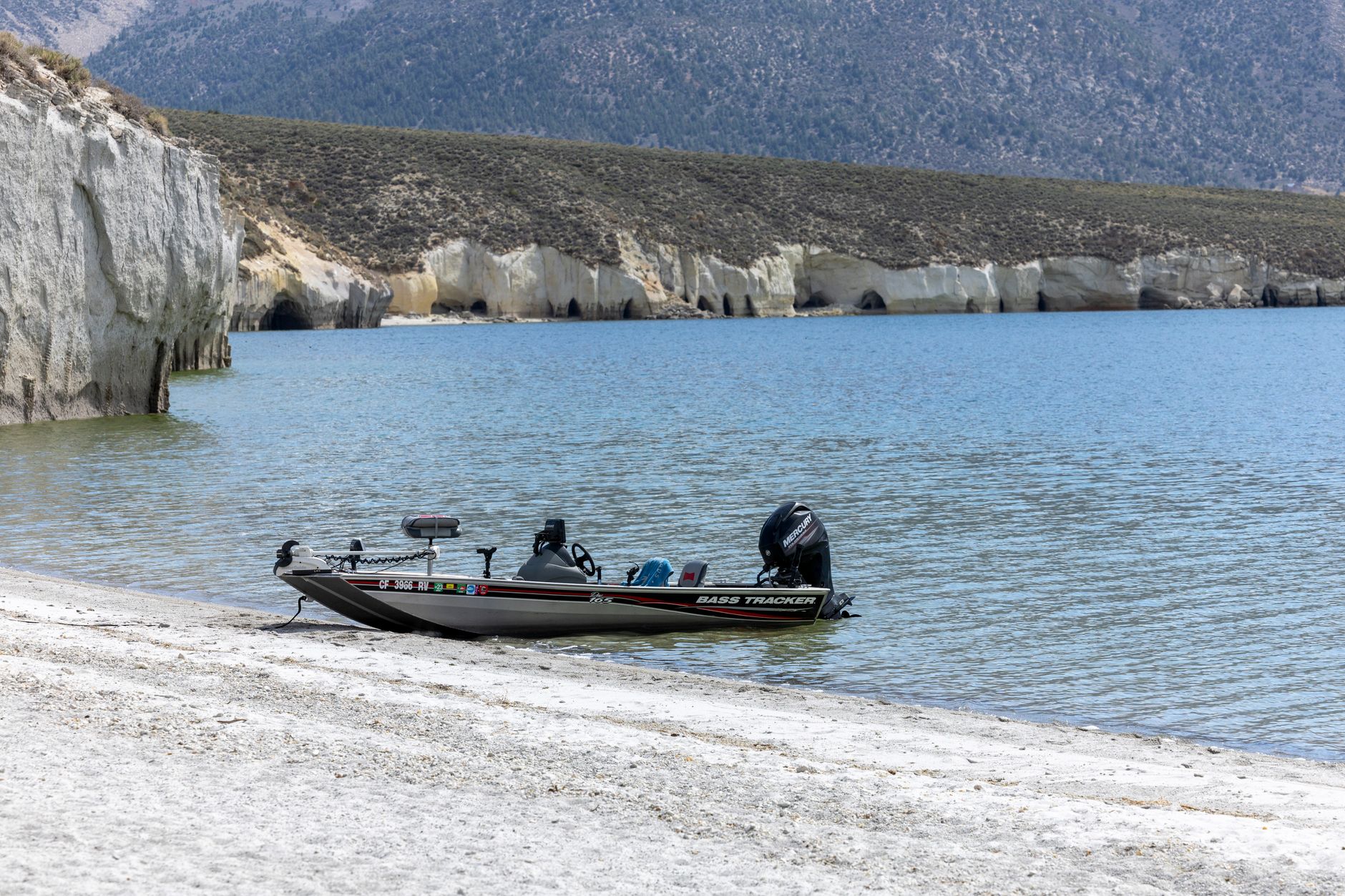
The foundation of successful trolling begins with appropriate gear selection, starting with the fishing rod. "I always recommend asking local tackle shops for their advice when choosing your first trolling rod," noted a seasoned fisher with years of experience on BC lakes. For most applications, a medium-action rod measuring between 200 to 260 centimeters (6.5 to 8.5 feet) provides versatility across various fishing scenarios.
"I always recommend asking local tackle shops for their advice when choosing your first trolling rod,"
Impact and Legacy
Specific rod recommendations vary based on target species size. For lakes containing fish under 50 centimeters (20 inches), the 230-centimeter (7.5-foot) Luhr Jensen Legacy Series Downrigger rod offers reliable performance. Anglers targeting larger lake trout benefit from the increased backbone of the Rapala Defiant Downrigger Trolling Combo's medium-heavy 260-centimeter (8.5-foot) rod.
Reel selection proves equally important, with baitcasting models equipped with line counters gaining favor among trolling specialists. "These reels make it easier to manage line when trolling and allow for better drag systems for fighting larger fish," advised one expert. While spinning reels remain viable options, they typically lack the advanced features that enhance trolling effectiveness.
"These reels make it easier to manage line when trolling and allow for better drag systems for fighting larger fish,"
**Downrigger Technology**
Career Journey
For serious lake trolling, particularly in BC's deeper waters, downriggers represent nearly essential equipment. While lead slip weights can help position lures below the surface, downriggers provide precise depth control crucial for consistent success.
"Any downrigger is better than none," emphasized another field expert. These devices, ranging from basic manual crank units to sophisticated electric models, allow anglers to lower lures accurately to predetermined depths where fish are holding.
"Any downrigger is better than none,"
Operating a downrigger, despite initial appearances, follows a straightforward process. Anglers begin by engaging tight drag while winding in line to create a slight rod bend. After reaching the desired depth, the spool brake re-engages before lowering the cannonball weight with attached lure. "With your lure running behind the boat, you simply have to monitor your depth and speed to ensure an optimal fishing experience," shared a local guide.
"With your lure running behind the boat, you simply have to monitor your depth and speed to ensure an optimal fishing experience,"
**Sonar Technology Advantage**
Modern fish-finding technology significantly improves success rates on large lake systems. "Even an entry-level sonar unit is better than nothing," emphasized one expert, highlighting the importance of electronics in contemporary fishing.
"Even an entry-level sonar unit is better than nothing,"
Key sonar features include surface temperature monitoring capabilities, dual-frequency transducers for enhanced underwater imaging, GPS functionality for precise speed tracking, and chartplotting capabilities for marking productive locations. Comprehensive units like the Garmin Striker Series typically retail for under $300, making advanced fish-finding technology accessible to budget-conscious anglers.
**Strategic Lure Selection**
Effective lure selection requires understanding local forage patterns. In BC's large lakes, trout primarily feed on juvenile bait fish, kokanee, and occasionally salmon fry. Successful trolling involves matching lure profiles, colors, and actions to these natural food sources.
"Popular choices include Apex Hot Spot and Gibbs high-action trolling lures, as well as Lyman or Tomic plugs," recommended one experienced angler. These proven lure families offer the realistic presentations necessary to trigger strikes from wary lake trout and other species.
"Popular choices include Apex Hot Spot and Gibbs high-action trolling lures, as well as Lyman or Tomic plugs,"
**Building Skills and Experience**
Trolling on British Columbia's expansive lakes provides beginners with an exhilarating introduction to freshwater fishing while offering the potential for trophy catches. The technique's effectiveness stems from its ability to present lures consistently at optimal depths and speeds while covering extensive water areas.
As novice anglers develop their understanding of proper gear selection, lure presentation, and fish-finding techniques, their success rates improve dramatically. The combination of BC's excellent fish populations and effective trolling methods creates opportunities for memorable fishing experiences that often evolve into lifelong passions for the sport.