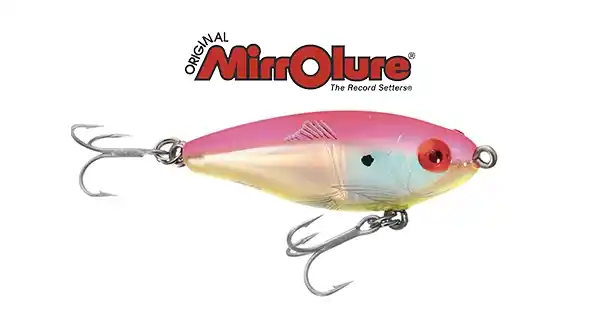
Using a MirrOdine lure can greatly enhance your inshore fishing experience, particularly if you're unsure of how to utilize it effectively. In this guide, insights from a seasoned Charter Captain in Ocean Isle Beach, North Carolina, share expert techniques that are applicable from the Carolina Coast to the Gulf Coast. This includes tips on retrieval methods, seasonal strategies, and optimal fishing locations for catching popular species like Redfish, Speckled Trout, Flounder, and Snook.
"If you just want the short version, here it is," said the Captain. This straightforward summary lists the key aspects of fishing with a MirrOdine: the best retrieve method, ideal locales, and the conditions that yield the best results. Essentially, the most effective retrieve is a "twitch–twitch–pause" pattern, with most strikes occurring during the pauses. During winter, he emphasized that the pause duration could be five seconds or longer due to colder water temperatures, making fish less active.
Ideal fishing habitats identified include the Intercoastal Waterway (ICW) edges, creek mouths, and deeper oyster edges, while the key condition is clear to slightly stained water during cooler temperatures. "Best places include dock lines with depth and flats adjacent to deeper water," he suggested.
The lure's effectiveness stems from its ability to replicate local baitfish, making it an excellent choice during challenging fishing conditions. "It shines after cold fronts, when trout get picky and redfish won’t chase far," he explained. Its ability to suspend in water is crucial, particularly in current seams and drop-offs in creeks and the ICW, matching the forage that fish are after, such as glass minnows and finger mullet.
When exploring the month-by-month suitability for fishing with a MirrOdine in North Carolina, the Captain noted that these patterns often hold true from the Carolinas to the Gulf Coast. January and February are prime for targeting speckled trout, particularly in deeper holes. He advocated for a slow retrieve with lengthy pauses during this time, ensuring that the lure is presented effectively.
As spring transitions into March and April, fish tendencies change. "Docks, drop-offs, and creek mouths stay productive," he mentioned, as the fish begin spreading out. June and July may bring challenges as fish become more aggressive, shifting your lure tactics to accommodate. The key conditions during these months involve focusing on deeper areas, preferably during low light in clear water.
As temperatures cool in the fall months, specifically September through November, the MirrOdine lure maintains its effectiveness. "This is one of the most consistent windows of the year for trout," the Captain affirmed, noting that as water temperatures drop, bait movement increases, enhancing the chances of success when using this lure. Winter, conversely, requires patience as fish movement slows; longer pauses become essential.
When it comes to fishing around Ocean Isle Beach, the Captain uses the MirrOdine primarily as a structure edge lure rather than casting aimlessly into featureless waters. Choosing prime fishing spots is crucial for successful results. He shared specific locations like the jetty edges near Little River Inlet and creeks discharging into the ICW during moving tides.
"Yes, MirrOdines work from shore — but you need the right access points and longer casts," he said, pointing out that some excellent shore fishing sites include pier edges and access points along the ICW with walkable banks. A longer rod, preferably at least 7’6”, can significantly enhance casting distances from the shore, especially during early dawn or late evening when fish are more likely to venture into shallower waters.
Finally, the classic retrieval method, "twitch–twitch–pause," is vital. The Captain advises accompanying conditions with adjustments in technique. "In slack water, use a slower cadence with longer pauses. In current, slightly adjust the retrieve for effectiveness," he said.
For those wanting to immerse themselves in the art of fishing with MirrOdines, the Captain invites you to consider inshore fishing charters to learn firsthand.
