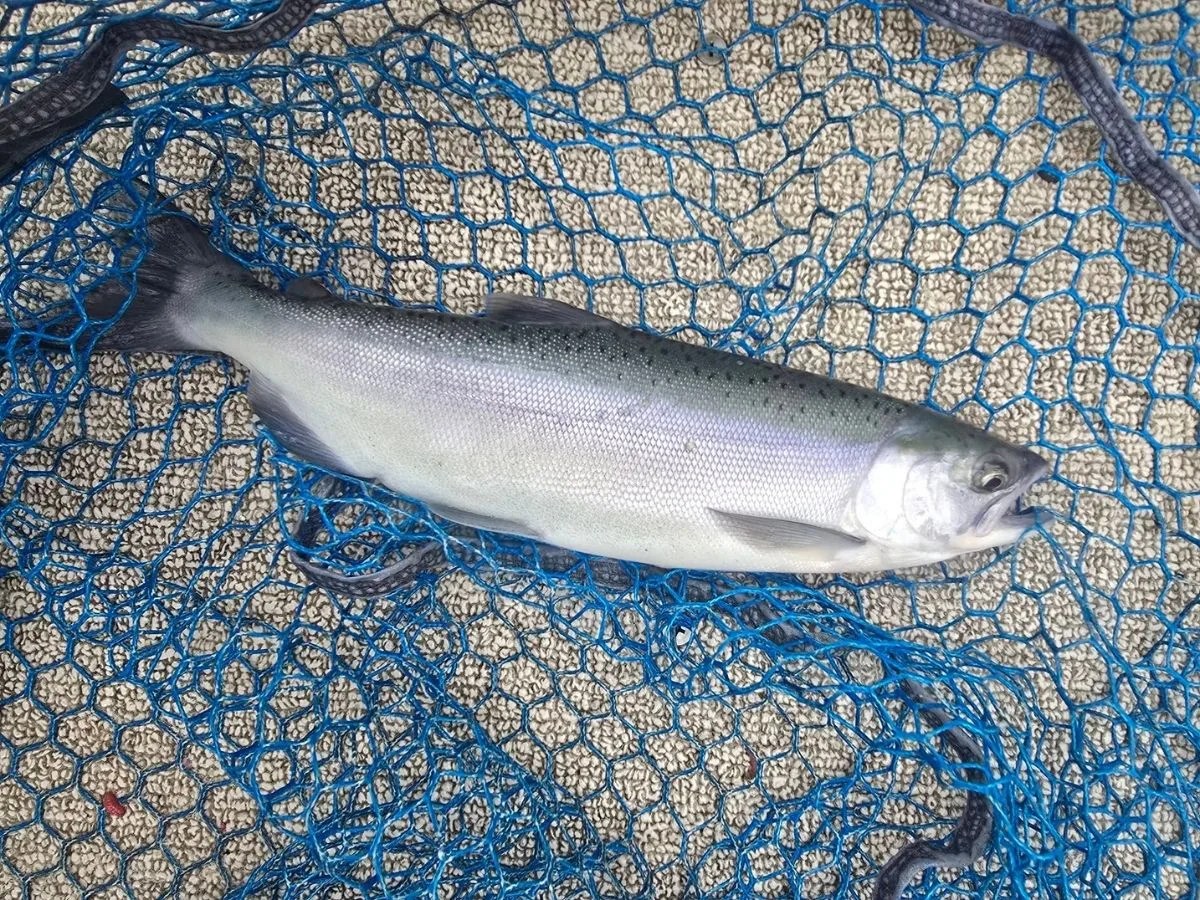
Rainbow trout (Oncorhynchus mykiss) continue to captivate anglers worldwide with their vibrant colors and spirited fights, establishing themselves as one of the most sought-after freshwater species. These remarkably adaptable fish thrive in diverse environments, from tranquil mountain streams to expansive alpine lakes, offering fishing opportunities for enthusiasts of all skill levels.
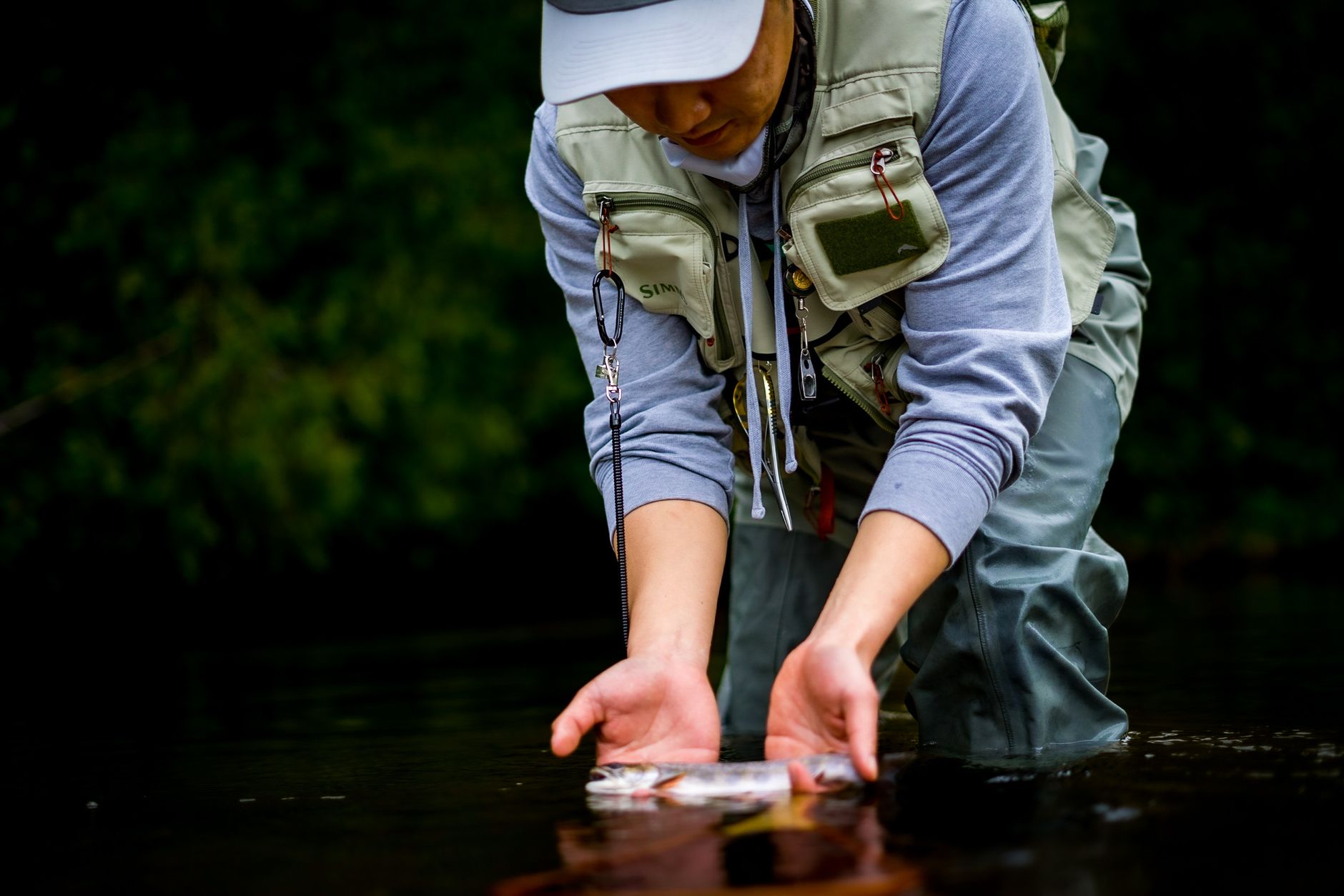
"Whether you're wading through streams, trolling lakes, or casting from a boat, these fish offer excitement at every turn," said one seasoned angler, highlighting the versatility that makes rainbow trout fishing so appealing. Their adaptability allows fishermen to pursue them in shallow rivers or deep lakes, provided they employ the right techniques and equipment.
"Whether you're wading through streams, trolling lakes, or casting from a boat, these fish offer excitement at every turn,"
**Prime Rainbow Trout Destinations**

Race Results
The success of any rainbow trout fishing expedition largely depends on location selection. Fishing experts have identified several premier destinations that consistently produce exceptional results.
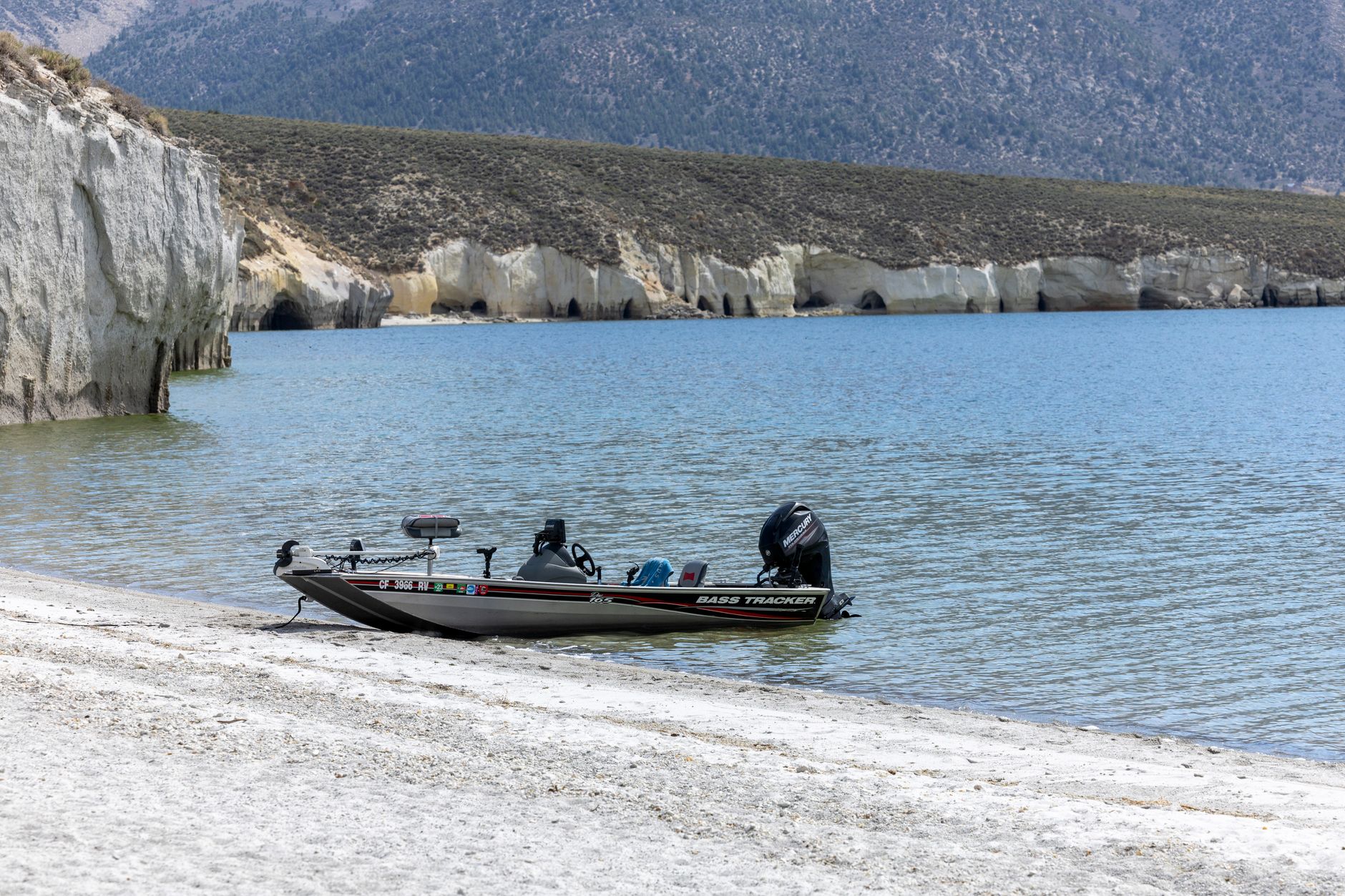
Montana's Madison River stands out as a crown jewel for wild rainbow trout fishing. Celebrated for its rich population of native fish, this renowned waterway reaches peak productivity during spring and fall seasons when various insect hatches create feeding frenzies among hungry trout.
Lake Tahoe, straddling the California-Nevada border, offers year-round fishing opportunities in its cold, clear waters. The lake proves particularly productive during winter months when ice fishing conditions present unique angling challenges and rewards.
Colorado's namesake river draws fly fishing enthusiasts during spring runoff periods, coinciding with peak insect activity that triggers aggressive feeding behavior. The extensive habitat along this waterway provides numerous fishing opportunities for both novice and experienced anglers.

Oregon's Deschutes River provides excellent rainbow trout conditions, with both dry flies and nymphs proving highly effective during summer months. The river's consistent flows and diverse structure create ideal trout habitat.
While Pyramid Lake in Nevada is more famous for Lahontan cutthroat trout, it also harbors impressive rainbow trout populations, particularly during cooler months when fish become more active in shallower waters.
**Seasonal Fishing Strategies**
Spring fishing capitalizes on rising water temperatures and flourishing insect hatches, making dry fly fishing one of the most productive methods. "Focus on shallow pools and seams where trout lie in wait for emerging insects," suggested a local expert. Popular fly patterns during this period include the Adams and Parachute Hopper, which effectively mimic emerging insects.
"Focus on shallow pools and seams where trout lie in wait for emerging insects,"
Career Journey
Summer heat typically drives rainbow trout into deeper, cooler waters, requiring strategy adjustments. Experts recommend concentrating fishing efforts during early morning hours or just before dusk when trout venture into shallower areas. "Use nymphs and streamers for deeper trout, or switch to terrestrial flies like ants and beetles for surface action close to shore," advised a professional guide.
"Use nymphs and streamers for deeper trout, or switch to terrestrial flies like ants and beetles for surface action close to shore,"
Race Results
Fall presents prime fishing conditions as trout become increasingly aggressive, driven by spawning instincts. "Look for trout near gravel beds and focus on deeper pools in rivers," advised a fishing veteran. This seasonal behavior often results in larger catches as fish feed heavily before winter.
"Look for trout near gravel beds and focus on deeper pools in rivers,"
Winter ice fishing offers thrilling adventures for cold-weather enthusiasts willing to brave harsh conditions. "Look for trout near submerged structures or drop-offs, and use jigs or small spoons to entice strikes," suggested an ice fishing expert. Portable sonar devices can significantly enhance success rates by helping locate fish beneath ice cover.
"Look for trout near submerged structures or drop-offs, and use jigs or small spoons to entice strikes,"
**Essential Equipment Selection**
Proper gear selection proves integral to rainbow trout fishing success. A 4-6 weight fly rod suits most fishing situations, though longer rods up to 9 feet provide added reach when fishing lakes and larger rivers.
Reel selection should prioritize robust construction with smooth drag systems capable of handling the powerful fighting style rainbow trout are famous for. Line choice depends on fishing conditions – floating lines work well for dry fly presentations, while sinking lines become essential when fishing nymphs and streamers in deeper waters.
Anglers should maintain versatile fly selections including woolly buggers, various nymphs, and Adams flies to match different fishing conditions and insect hatches. Polarized sunglasses are crucial for spotting fish in clear waters, particularly when fishing flowing rivers where fish visibility can make the difference between success and frustration.
The adaptability that makes rainbow trout so successful as a species also creates diverse angling opportunities. From technical dry fly presentations on crystal-clear streams to trolling deep lake waters, these fish continue to challenge and reward anglers who take time to understand their behavior and habitat preferences. Success comes to those who match their techniques to seasonal conditions while maintaining versatile approaches to equipment and location selection.