
The estuary perch, often referred to as the "barramundi of the south," is a sought-after species among sportfishers in Victoria. Known for their striking ability to adapt to varying environments, these fish thrill anglers, particularly those who favor lure fishing. With their habitat primarily located in the estuaries of East Gippsland, estuary perch provide a rewarding challenge for both boat and land-based fishing enthusiasts.
"Estuary perch are very nomadic and often respond dramatically to environmental conditions," noted an enthusiastic local angler. This adaptability means that after a rain event, you're likely to find them pushing upstream into areas with brackish or freshwater. Conversely, during dry spells, targeting the lower estuary or nearby coastal lakes can yield better results.
Key features to look out for include snags, weed beds, undercut banks, and creek junctions. These fish tend to move in schools, so once you locate one, it's advisable to remain in the area as you could be at the start of a significant bite.
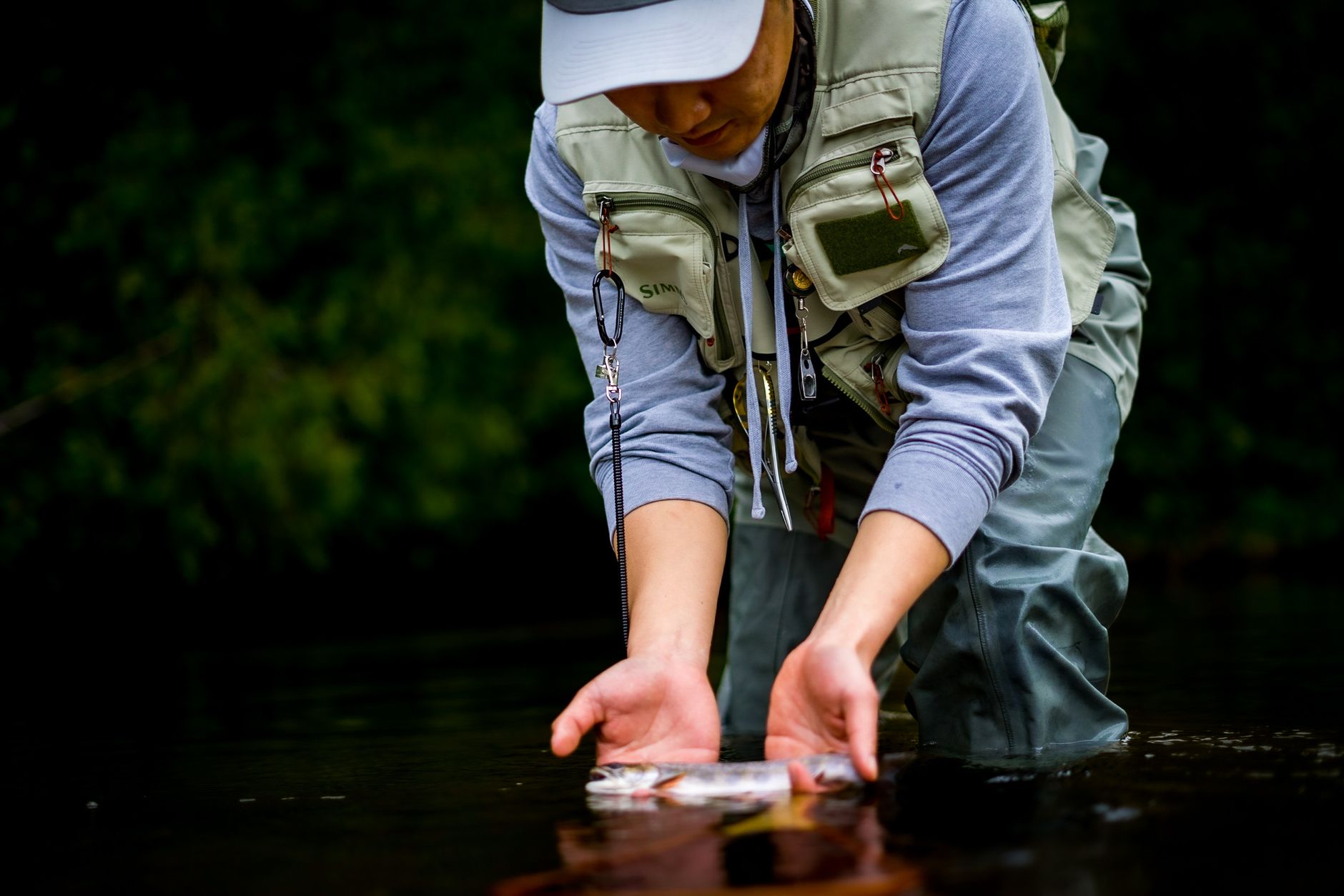
The best times to fish for estuary perch are during low-light conditions. "They are especially aggressive during early mornings, late evenings, or overcast days," explained a veteran fishing guide. With large, light-sensitive eyes, these fish seem to thrive after dusk, making night fishing an exciting option.
When it comes to fishing techniques, both live bait and lures can be highly effective. For those opting for live bait, consider floating live minnows, shrimp, or crickets near structures, as estuary perch tend to strike suddenly and retreat into cover. "Be ready for a hard hit!" emphasized one experienced angler.
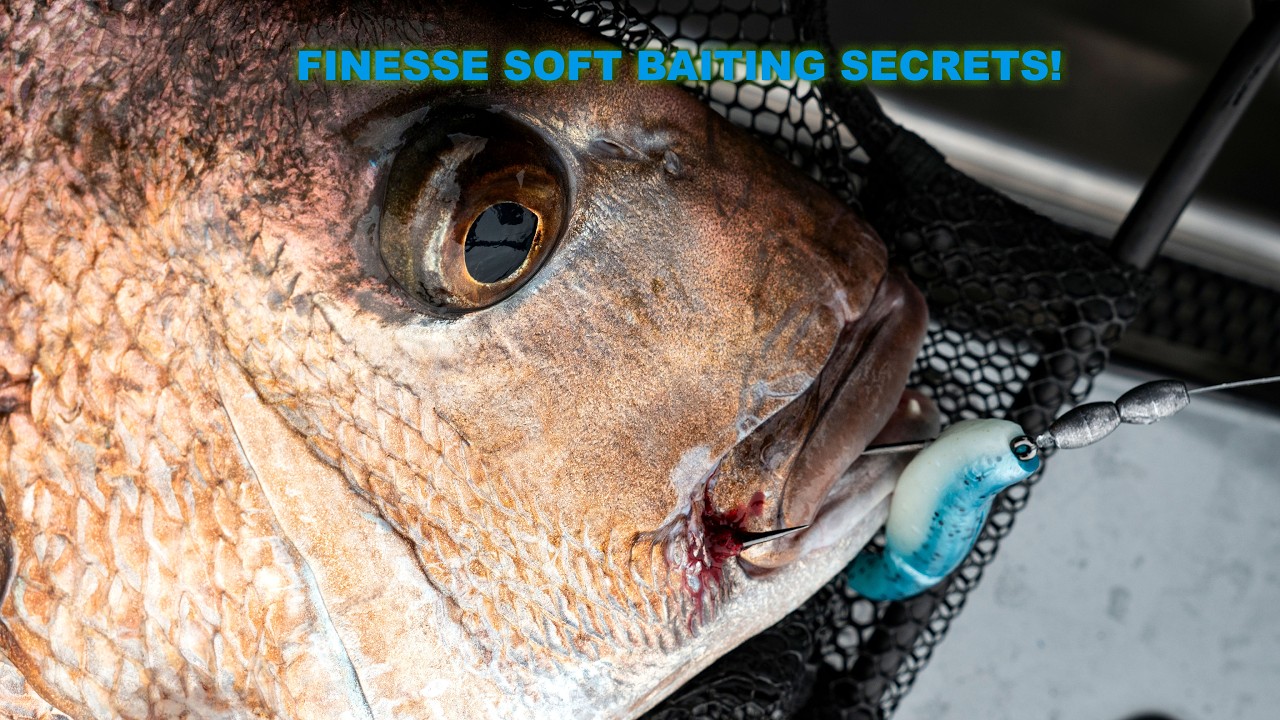
On the lure front, soft plastics rigged on light jig heads work well when cast into snags and retrieved slowly. "Suspending crankbaits are also a solid choice, especially around timber, though be prepared to lose a few lures in the process," said an industry expert. Additionally, using surface lures during warm evenings, especially imitation cicadas and bent minnows, can produce thrilling topwater action.
A crucial tip for anglers is to remain vigilant for strikes, particularly during the drop or pause of a lure. "Sometimes, if you think you have snagged, it could actually be an estuary perch," one seasoned fisherman cautioned. This observation calls for heightened awareness while fishing.

Setting up your tackle is vital for a successful outing. Basic bream gear will suffice, but fishing experts recommend enhancing your equipment to reduce incidents of break-offs. A recommended setup includes a 3–5kg graphite rod with a fast taper, a 2500-size spinning reel, and an 8-15 lb braid. "Using a 12-15 lb fluorocarbon leader can also enhance your chances, especially in snag-filled areas of the estuary," advised a tackle store representative.
Safety is paramount when navigating estuary waters. An experienced local reminded anglers to wear a personal flotation device (PFD) when fishing from smaller boats or kayaks. Mosquito repellent is also essential in regions prone to these pests. Furthermore, anglers should always be mindful of tidal changes and sudden depth drops, especially in remote locations. "Always inform someone of your launch and return points if you're fishing alone," they stressed.
As fishing season approaches, local retailers like Vtackle Store stock up on everything from surface lures to crankbaits, ensuring anglers are adequately prepared for their estuary perch expeditions.
In summary, estuary perch fishing not only promises excitement but also requires careful preparation and knowledge of local conditions. As anglers gear up for the season, understanding both the behaviors of estuary perch and the environment can lead to successful and memorable fishing experiences.