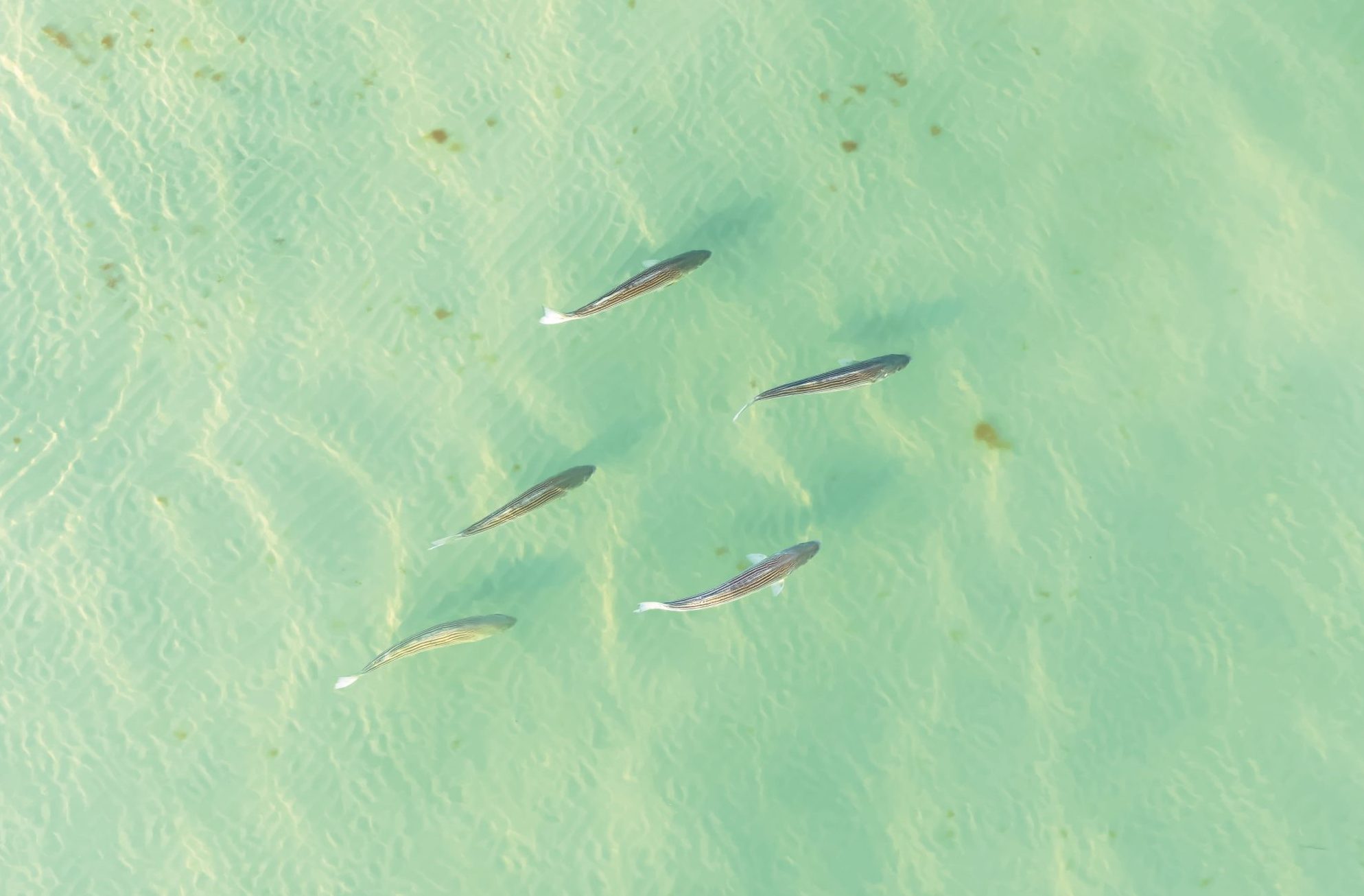
Located in Cape Cod's picturesque elbow, Brewster serves as a prime destination for anglers eager to fish the largest tidal flats in North America. These expansive 12,000 acres of shallow, sandy terrain and clear waters create an ideal ecosystem, teeming with life, making it a favorite haunt for striped bass.
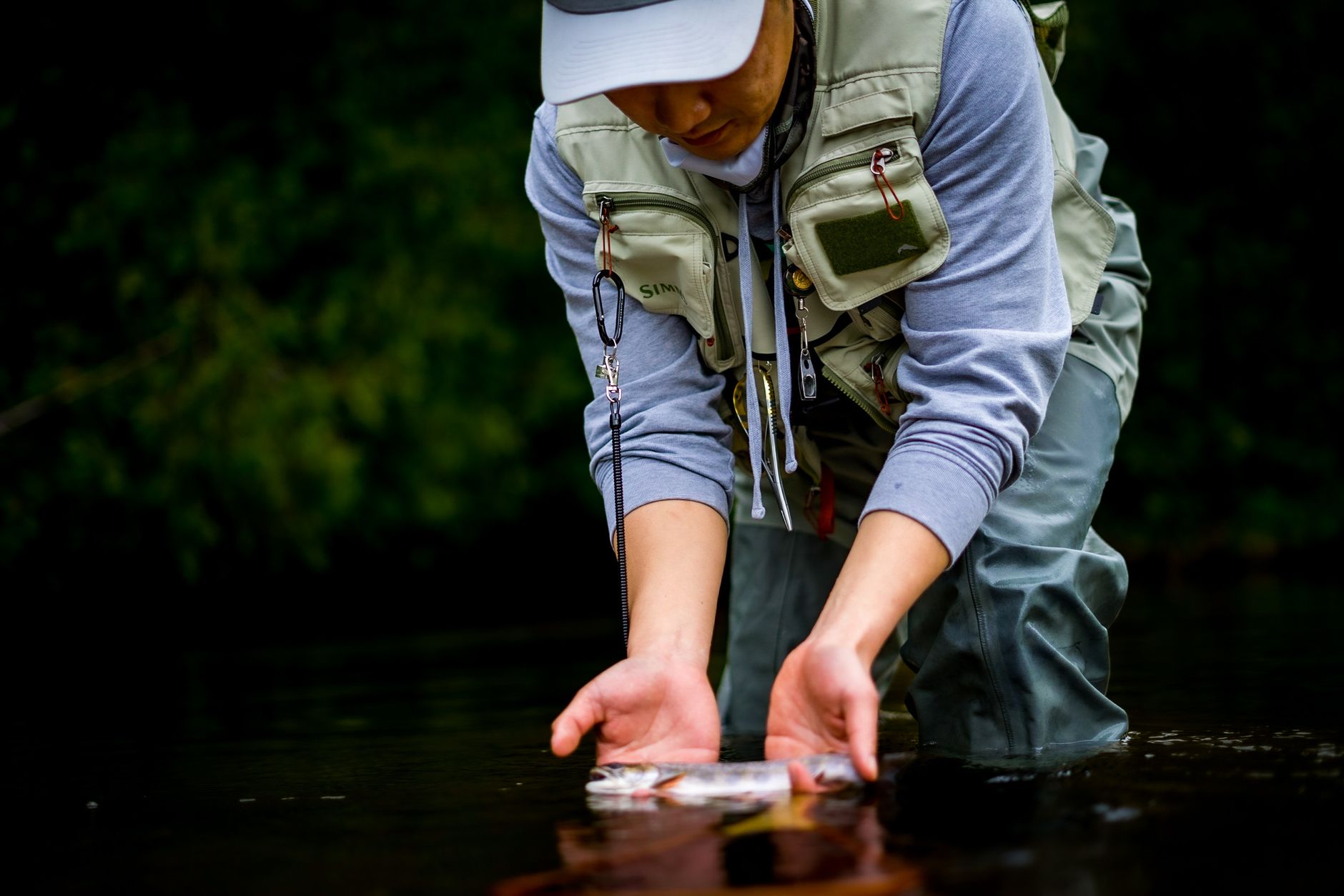
"Fishing here can be incredibly challenging, but that’s what makes it rewarding," said local angler Sean Cobelli. The unique geographical and environmental attributes of Brewster Flats attract spin and fly fishermen alike. Here, they can enjoy ample sight-fishing opportunities under the right conditions.
The Unique Geography of Brewster Flats
The formation of Brewster Flats dates back 25,000 years, with a retreating glacier leaving behind rock debris that would eventually sculpt Cape Cod and its surroundings. Over millennia, nature has continued to shape the area through wind, waves, and runoff, creating a sandy expanse that is anything but static. "No two seasons are the same here due to constant winter storms shifting the sand and creating new channels," noted Cobelli. This dynamism not only adds to the challenges of fishing the flats, but also enhances the habitat for stripers, offering a blend of structure and concealment.
Navigating the flats can be daunting given their size, but knowing where to focus can drastically improve fishing success. Anglers often concentrate on distinctive features like channels, sandbars, and rips.
Channels: High Traffic Areas for Fish
"Channels are typically the easiest pieces of structure to find, and they’re often magnets for bait and predators, especially during outgoing tides," Cobelli said. He further explained that as bait is flushed out with the incoming tide, striped bass utilize these deeper areas, usually 6 to 12 feet, to enhance their chances of snagging a meal. Being aware of tide changes is crucial; positioning oneself incorrectly can lead to missed fishing opportunities.
Sandbars: Promising Fishing Grounds
Following a successful trip to the channels, Cobelli often heads out to the sandbars. "You can easily identify them during low and high tide; they’re the first places that dry out and the last to be submerged," he explained. The outer edges of these bars present effective fishing conditions during slack or the early incoming tide, as stripers patrol the area in search of disoriented bait. "Sight-fishing is key; I walk the length of the bar, casting at any fish I see," Cobelli added.
Rips: The Ultimate Challenge
Rips emerge as the most productive yet challenging areas to fish on the flats. According to Cobelli, "These rips usually occur during a strong incoming tide, dislodging bait like crabs and sand eels as water surges through the channels." Stripers tend to position themselves at the top of these rips, ready to ambush prey as it flows by.
Fishing these rips requires precision; Cobelli recommends casting 5 to 10 feet above the rip line to maximize your chances of hooking a fish. "The excitement comes from watching whole packs of fish fight for your bait or the sight of one fish calmly sipping it down like a trout," he stated. However, anglers should be prepared for the vigorous fight that often ensues, as these fish dart down-current with incredible strength.
The Appeal of Fly-Fishing
While Cobelli usually opts for spinning gear, he acknowledges the advantages fly fishermen have on the flats. "The crystal-clear waters here make flies the most natural presentation, which is why I often reach for a fly rod," he said. For those interested in fly-fishing, small sand eel patterns tend to be particularly effective. He also suggests having crab and shrimp flies on hand, as stripers sometimes prefer these baits later in the summer.
"An 8-weight rod is generally sufficient, as most fish are under slot size, and I don’t need to make long casts to reach them," added Cobelli. He emphasized the importance of gear selection, advising the use of slow-sinking lines to avoid spooking fish, while also recommending a 15-pound fluorocarbon tippet for optimal results.
Conclusion
With its unique conditions and abundant fish, Brewster Flats continues to mesmerize anglers with its challenging yet rewarding fishing experiences. Whether you’re utilizing spinning tackle or fly-fishing techniques, understanding the intricacies of this environment is essential for a fruitful outing. As local anglers like Cobelli monitor the waters, they will likely continue to share their strategies on how to navigate and succeed in the ever-changing landscape of the Brewster Flats.