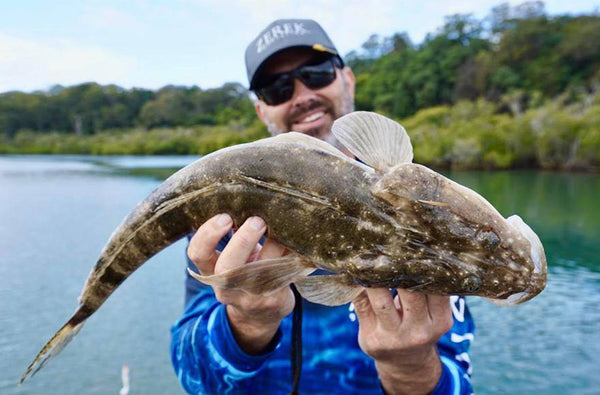
Flathead fishing is a favorite among anglers, with soft plastics emerging as a highly effective tool for captivating these bottom-dwelling fish. Angler insights reveal that mastering the art of using soft plastics can significantly enhance catch rates.
"Flathead have a lower jaw that allows them to suck in prey, making soft plastics an ideal choice," said local fishing expert, Mark Thompson. He emphasized the advantage of these [lures](/gear/fishing-lure) in mimicking the movement of natural bait.
One of the crucial aspects of fishing with soft plastics is the retrieval technique. "A slow, steady retrieve often outperforms a fast one," noted Sarah Jensen, a seasoned fisherman who frequently targets flathead. "You want to give them time to identify the lure and take the bait."
In terms of the types of soft plastics to use, recommendations vary. "I find that paddle-tail soft plastics are particularly effective," shared Jamie Lang, who has been fishing in the coastal waters of Australia for over a decade. "Their swimming action catches the attention of flathead and triggers their predatory instincts."
Color also plays a significant role in lure effectiveness. According to Thompson, bright colors work well in murky waters, while more natural shades are preferable in clear conditions. "It really depends on the environment you're fishing in," he explained. "Adjust based on the conditions and observe what flathead are feeding on."
When it comes to rigging techniques, anglers utilize different setups to optimize their chances of attracting flathead. "I often use a light jig head to keep my plastic near the bottom where flathead are swimming," said Jensen. "It’s about finding that perfect balance to present the lure naturally."
Choosing the right rod and reel is another component to consider. The anglers agree that a medium-action rod paired with a reliable reel is essential. "With the right gear, you can feel the bites better, which is crucial for striking at the right time," stated Lang.
Fishing locations also impact success rates. Flathead are often found near structure and shallower waters. "Look for rocks, weed beds, or other submerged structures where flathead can ambush their prey," remarked Thompson. He emphasized the need to focus on areas with changing depths, which can be hotspots for fishing.
Ultimately, it’s about experimenting to find what works best in different scenarios. "I always tell beginners to keep an open mind and adjust your approach as needed," advised Jensen. It’s a message that resonates with many seasoned anglers as they navigate the waters in search of the prized flathead.
In conclusion, the use of soft plastics for catching flathead proves popular for good reason. The recommendations from experienced anglers, combined with practical techniques and careful observation of conditions, contribute to successful fishing outings. As every angler knows, patience and ongoing learning are integral to mastering the craft.