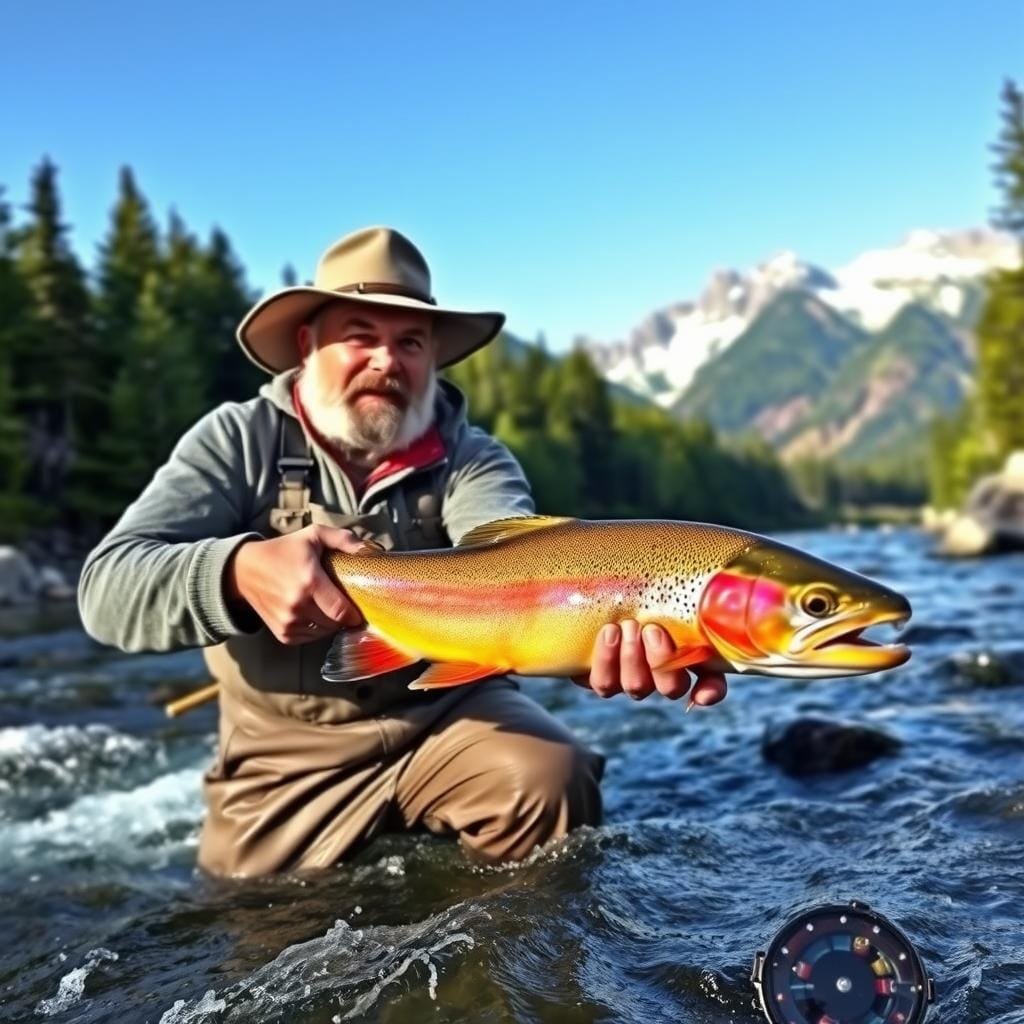
Rainbow trout fishing continues to captivate anglers across North America, offering both seasoned professionals and weekend enthusiasts the chance to experience one of freshwater fishing's most rewarding challenges. These vibrant, spirited fish inhabit diverse aquatic environments from mountain streams to expansive lakes, providing year-round fishing opportunities for those who understand their behavior and habitat preferences.
The appeal of rainbow trout extends beyond their striking appearance. Weighing anywhere from half a pound to over three pounds, with larger specimens found in regions like Alaska, these fish are known for their fighting spirit and the pristine environments they call home.
"Rainbow trout are known for their lively nature and their beautiful habitats in mountain rivers and lakes," said fishing expert Mark Thompson, highlighting what draws millions of anglers to pursue these prized fish each season.
"Rainbow trout are known for their lively nature and their beautiful habitats in mountain rivers and lakes,"

Impact and Legacy
Impact and Legacy
Impact and Legacy
Understanding trout behavior and habitat preferences forms the foundation of successful fishing strategies. Rainbow trout demonstrate remarkable adaptability throughout their lifecycle, with behaviors that significantly influence when and where anglers should focus their efforts.

"Understanding where rainbow trout thrive is the first step in catching them," explained ecologist Sara Evers, emphasizing the importance of environmental knowledge in fishing success.
"Understanding where rainbow trout thrive is the first step in catching them,"
Career Journey
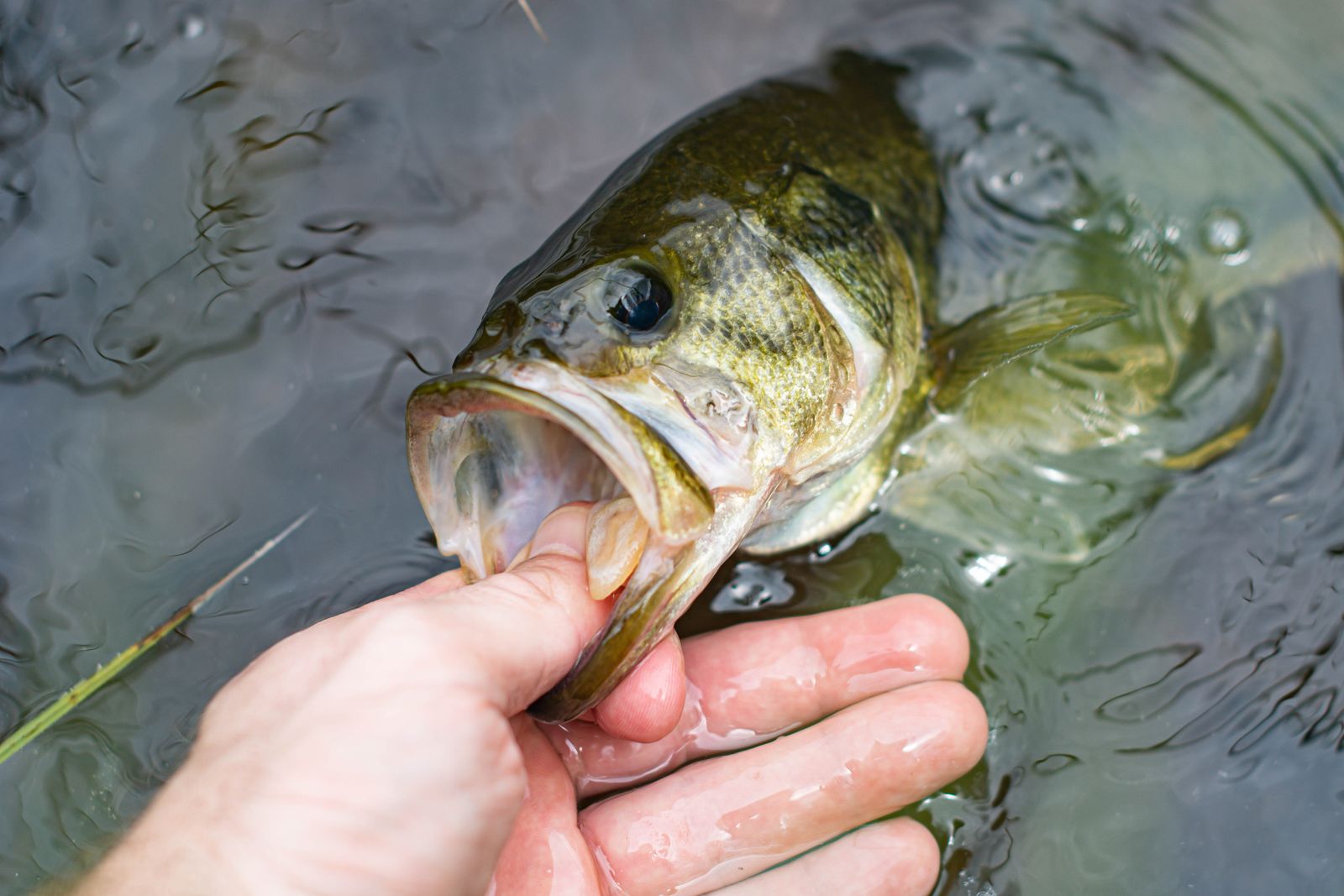
Rainbow trout consistently seek cold, clean waters with high oxygen content and abundant food sources. These conditions are typically found in fast-moving streams, spring-fed rivers, and deep, clear lakes. Water quality serves as a critical factor in their distribution, with trout gravitating toward areas where pollution is minimal and natural food chains remain intact.
Impact and Legacy
Seasonal patterns play a crucial role in rainbow trout behavior, directly impacting fishing success throughout the year. Like their salmon relatives, some rainbow trout populations are anadromous, migrating between freshwater and saltwater environments, while others remain in freshwater systems their entire lives.
Career Journey
"In late winter to early spring, they typically move upstream to spawn," noted local fishing guide Jacob White, describing the seasonal movements that create prime fishing opportunities for knowledgeable anglers.
"In late winter to early spring, they typically move upstream to spawn,"
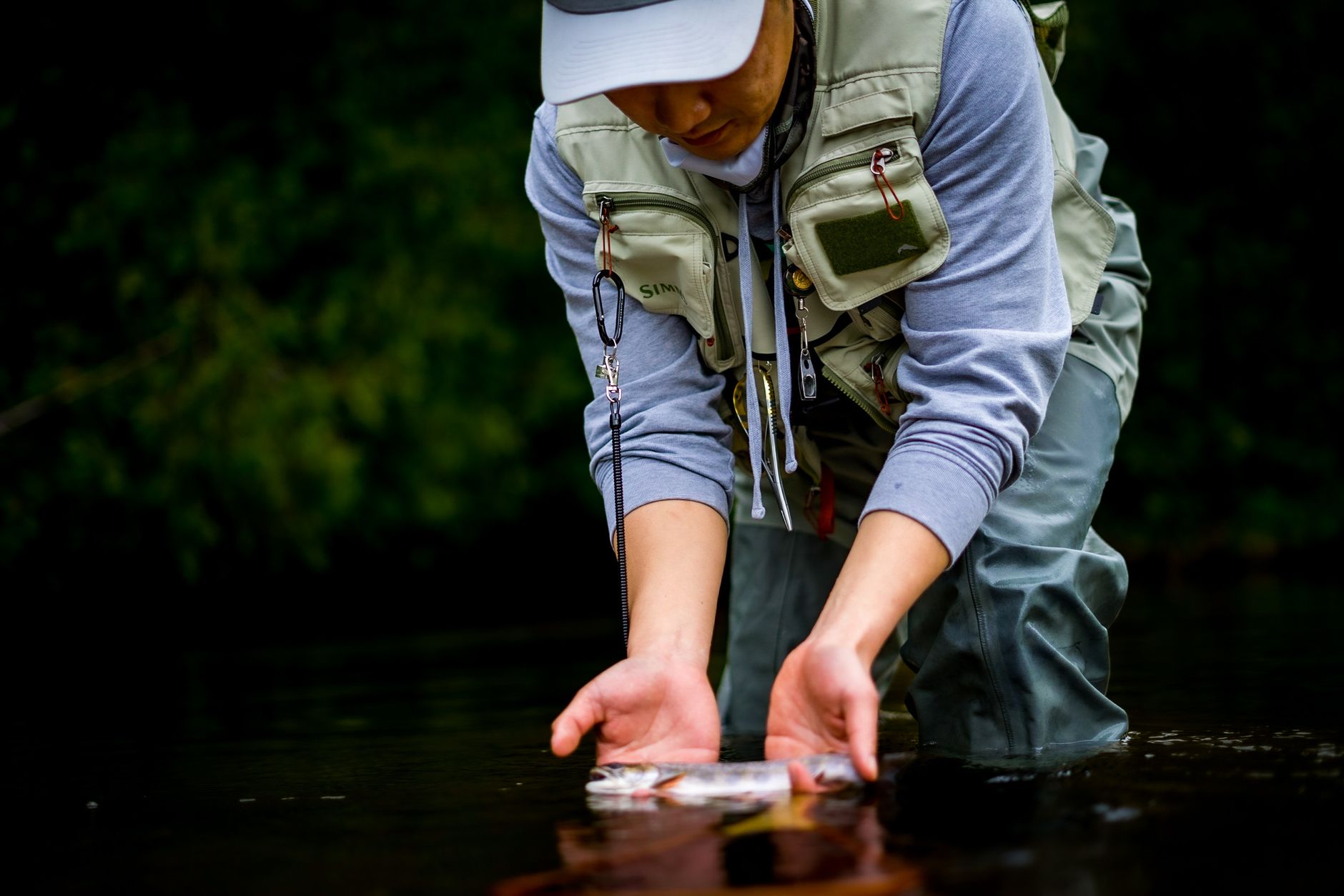
During winter months, rainbow trout begin migrating toward spawning grounds in cold, high-gradient streams. Spring marks their active spawning season in gravel-bed rivers and streams, where they become more aggressive and territorial. Summer finds them in lakes and larger rivers, focusing on growth and feeding as water temperatures reach optimal ranges. Fall brings preparation for migration, with trout moving through transition areas between rivers and oceans.
> Equipment selection proves fundamental to rainbow trout fishing success, with the combination of rods, reels, lines, and [lures](/gear/fishing-lure) significantly impacting an angler's performance on the water.
"Using the correct equipment can mean the difference between a day of fishing success and disappointment," according to tackle expert Amanda Bell, who emphasizes the importance of matching gear to both fish behavior and environmental conditions.
"Using the correct equipment can mean the difference between a day of fishing success and disappointment,"
Successful rainbow trout anglers typically choose lightweight rod and reel combinations specifically designed for trout fishing. The sensitivity required to detect subtle strikes, combined with the gentle touch needed to handle these energetic fish, demands careful equipment consideration.
"A light rod helps maintain sensitivity for feeling strikes, and a gentle touch is necessary for handling these spirited fish," Bell explained. She recommends rods with soft tips capable of absorbing the trout's vigorous movements, paired with smooth-drag reels essential for controlling their quick escape attempts.
"A light rod helps maintain sensitivity for feeling strikes, and a gentle touch is necessary for handling these spirited fish,"
Fishing line selection requires particular attention due to rainbow trout's naturally cautious behavior. These intelligent fish can be easily spooked by heavy or visible lines, making stealth a priority in tackle selection.
"A 2-4lb test line is typically strong enough but also inconspicuous enough not to alarm them," advised tackle designer Kevin Wright, noting that water conditions such as clarity and lighting may require adjustments to line weight and visibility.
"A 2-4lb test line is typically strong enough but also inconspicuous enough not to alarm them,"
Lure and bait selection offers anglers numerous options, each suited to different fishing environments and conditions. Successful rainbow trout anglers typically carry an assortment of spinners, jigs, small spoons, and plugs to match varying situations they encounter on the water.
"Always consider the water conditions and the feeding habits of trout when selecting your bait," Wright suggested, emphasizing the need for adaptive strategies based on specific fishing scenarios.
"Always consider the water conditions and the feeding habits of trout when selecting your bait,"
The distinction between live and artificial baits presents anglers with strategic choices that can significantly impact their success rates. Understanding when and how to employ different bait types, combined with knowledge of seasonal trout behavior and proper equipment selection, creates the foundation for consistently successful rainbow trout fishing experiences.
As rainbow trout fishing continues growing in popularity across North America, anglers who invest time in understanding fish behavior, seasonal patterns, and proper equipment selection position themselves for the most rewarding experiences on the water.