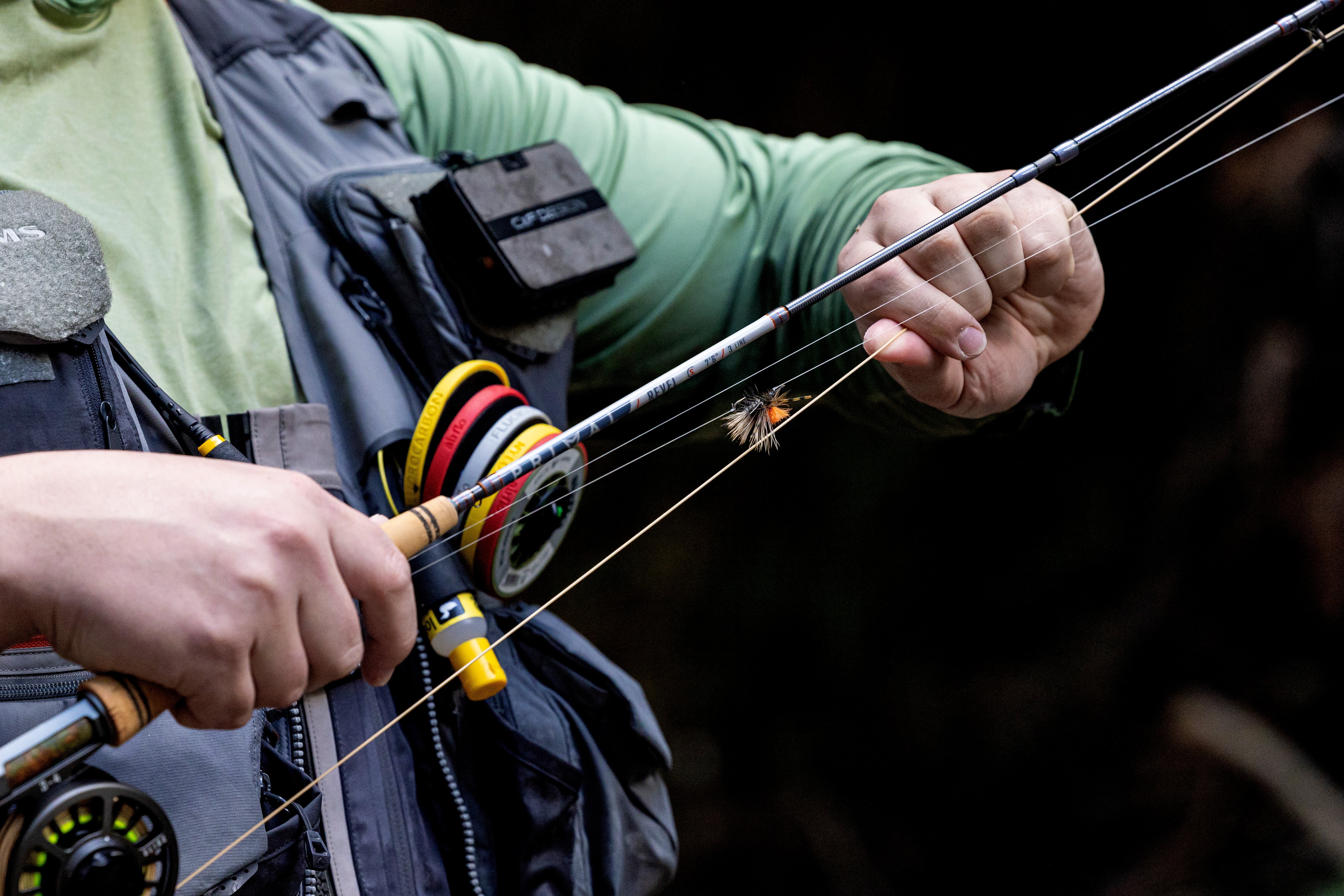
From the pristine streams of Alaska to stocked lakes across New Jersey, rainbow trout have established themselves as one of the world's most coveted freshwater gamefish, captivating anglers with their vibrant colors and acrobatic fighting style.
Once confined to the waters of Western North America, rainbow trout now inhabit every continent except Antarctica, thanks to extensive stocking programs and their remarkable adaptability to diverse environments. This global expansion has transformed what was once a regional species into an international angling sensation.
"Rainbow trout have something to offer every type of angler," said fishing expert Max Inchausti, highlighting the species' universal appeal among both novice and experienced fishermen.
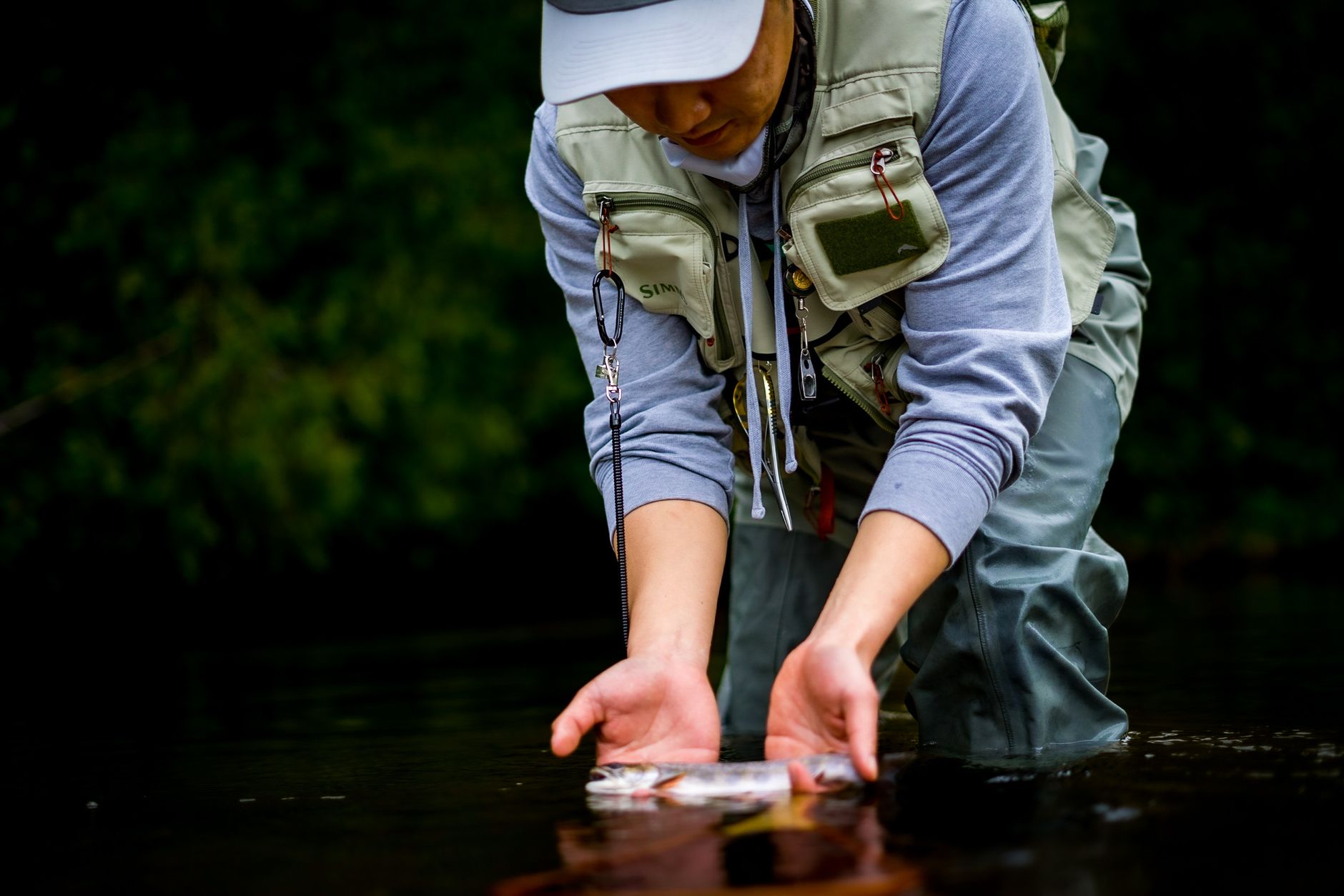
"Rainbow trout have something to offer every type of angler,"

The widespread success of rainbow trout can be attributed to their biological resilience and the strategic efforts of fisheries management programs worldwide. Their introduction into various ecosystems has created new opportunities for both conventional and fly fishing enthusiasts, making quality trout fishing accessible to millions of anglers who might otherwise never experience the thrill of landing these spirited fish.
**Distinctive Characteristics Define the Species**
Rainbow trout belong to the prestigious salmonid family, sharing lineage with brown trout and brook trout. Their appearance is unmistakable: a dark green back transitions to a light underbelly, with distinctive dark spots scattered along their streamlined bodies. The species' most identifying feature, however, is the characteristic that gives them their name.
"They get their name from a distinct red or pink stripe running their body length, which resembles a rainbow," noted Inchausti, describing the vivid lateral band that makes these fish instantly recognizable to anglers.
"They get their name from a distinct red or pink stripe running their body length, which resembles a rainbow,"
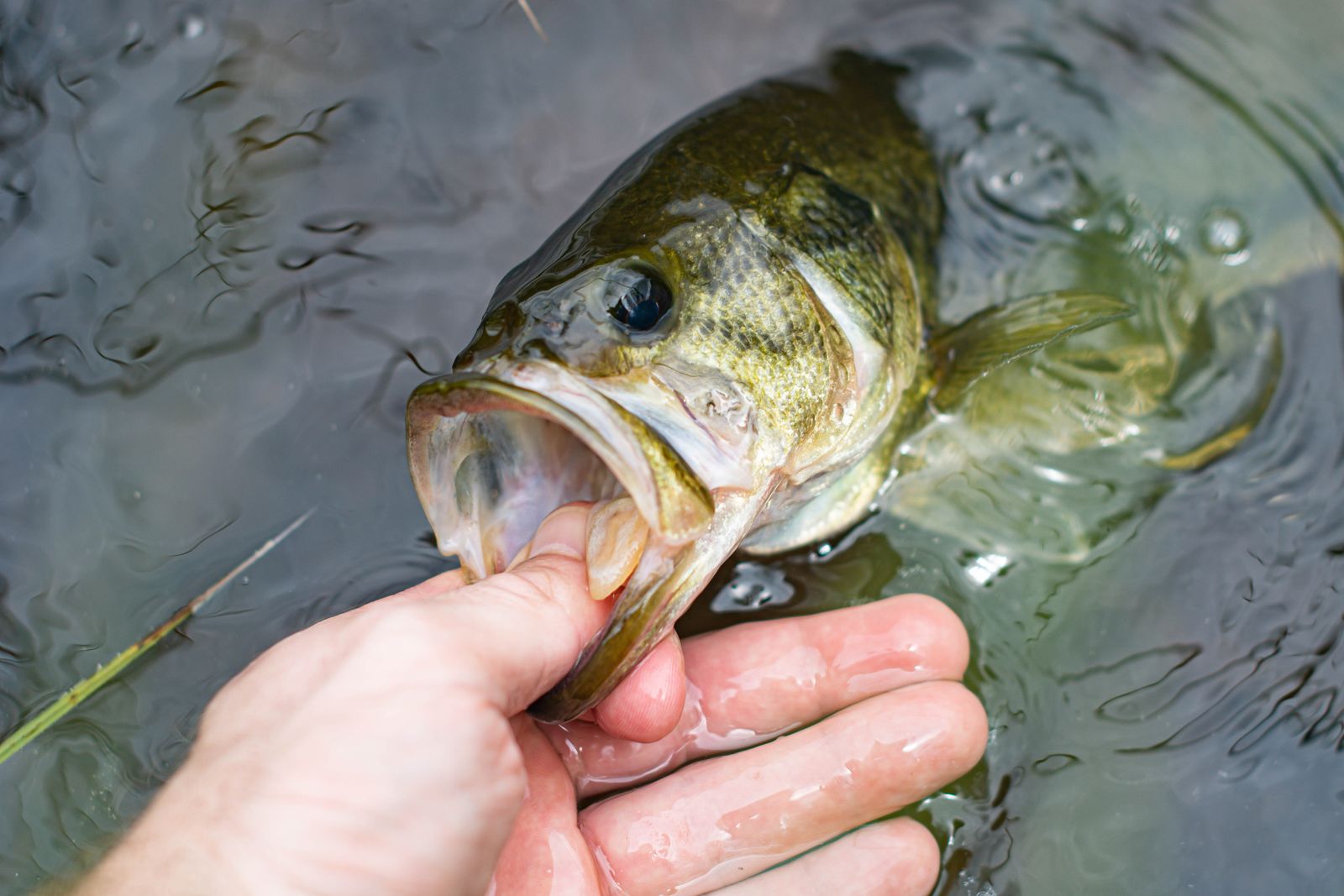
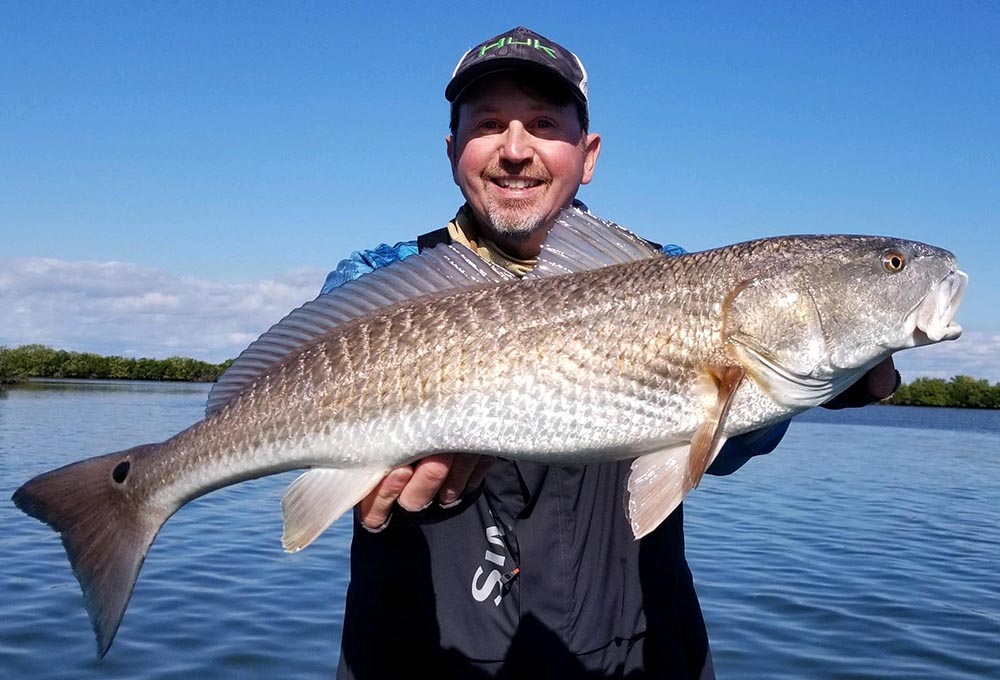
Size variations among rainbow trout populations offer fishing opportunities for different skill levels and preferences. While most specimens average between 10 to 16 inches, making them ideal targets for light tackle fishing, larger individuals can stretch from 20 to 30 inches. Some exceptional specimens grow to truly giant proportions, providing the kind of trophy fishing experiences that create lifelong memories.
Impact and Legacy
Biologically, rainbow trout are cold-water specialists, thriving in temperatures that would challenge many other fish species. They struggle to survive when water temperatures climb above 70 degrees Fahrenheit, a characteristic that influences their distribution and the timing of fishing seasons. Their diet consists primarily of invertebrates and small fish, though their feeding habits can vary significantly based on available food sources in different environments.
Perhaps most remarkably, rainbow trout demonstrate extraordinary adaptability, capable of living in both freshwater and saltwater environments. This unique trait leads to one of the most fascinating aspects of their life cycle: the development of sea-run populations known as steelhead.
**The Steelhead Phenomenon**
Those rainbow trout that migrate to oceanic environments undergo a transformation both physical and behavioral, earning the designation of steelhead. These ocean-going fish typically return to rivers to spawn, creating a complex life cycle that has captivated both scientists and anglers for generations.
"They spend most of their time in the ocean foraging on baitfish and growing to impressive sizes," explained Inchausti, describing how the marine environment transforms these fish into powerful, silver-sided warriors that provide some of freshwater fishing's most challenging and rewarding experiences.
This migratory behavior, particularly evident in coastal regions like the Pacific Northwest, makes targeting steelhead both challenging and exhilarating for anglers. The fish's ocean-enhanced strength and size, combined with their instinctive wariness upon returning to freshwater, creates fishing scenarios that test even experienced anglers' skills.
**Habitat Diversity Expands Opportunities**
While rainbow trout's natural habitat originally stretched from southern California to Alaska, their adaptability has facilitated establishment across dramatically different ecosystems worldwide. They inhabit rivers, streams, and lakes, though warm summer temperatures in many regions can limit their distribution and create seasonal fishing patterns.
In their native Pacific Northwest coastal regions, the steelhead variant showcases the species' remarkable adaptability. These fish demonstrate that rainbow trout are not merely freshwater species but rather adaptable salmonids capable of exploiting diverse aquatic environments.
**Angling Appeal Transcends Experience Levels**
The enthusiasm rainbow trout generate among anglers stems from multiple factors that combine to create exceptional fishing experiences. Their striking coloration makes them visually appealing, while their dynamic fighting style and tendency to leap when hooked provides the kind of action that makes fishing memorable.
"If you've fished for trout, chances are you've encountered a rainbow. If you haven't fished for trout, you should," remarked Inchausti, emphasizing their ubiquity and appeal in the angling world.
Successful rainbow trout fishing requires understanding their habits and preferred habitats, with strategies varying significantly depending on whether anglers are fishing lakes, rivers, or coastal environments. The use of light tackle can enhance the excitement of the catch, while timing fishing trips for dawn or dusk often proves more productive due to their feeding patterns during these low-light periods.
Beyond individual angling success, rainbow trout fishing serves as an excellent introduction to the sport for families and beginners. As Inchausti observed, "Their impressive colors and powerful fights make them an all-around gamefish," creating experiences that often spark lifelong passions for angling and outdoor recreation.
"Their impressive colors and powerful fights make them an all-around gamefish,"
Looking Ahead
The continued success of rainbow trout populations worldwide suggests bright prospects for future generations of anglers, ensuring that these remarkable fish will continue inspiring fishing enthusiasts across the globe.