
As spring temperatures begin to warm waters across the country, fishing enthusiasts are preparing for what many consider the premier season for largemouth bass fishing. The pursuit of these prized freshwater fish combines elements of patience, skill, and strategic thinking that can challenge even experienced anglers.
The key to successful bass fishing lies in understanding the fish's natural behavior patterns and adapting techniques accordingly. Expert anglers emphasize that timing, weather awareness, proper equipment, and lure selection all play critical roles in determining success on the water.
**Spring Emerges as Prime Bass Season**
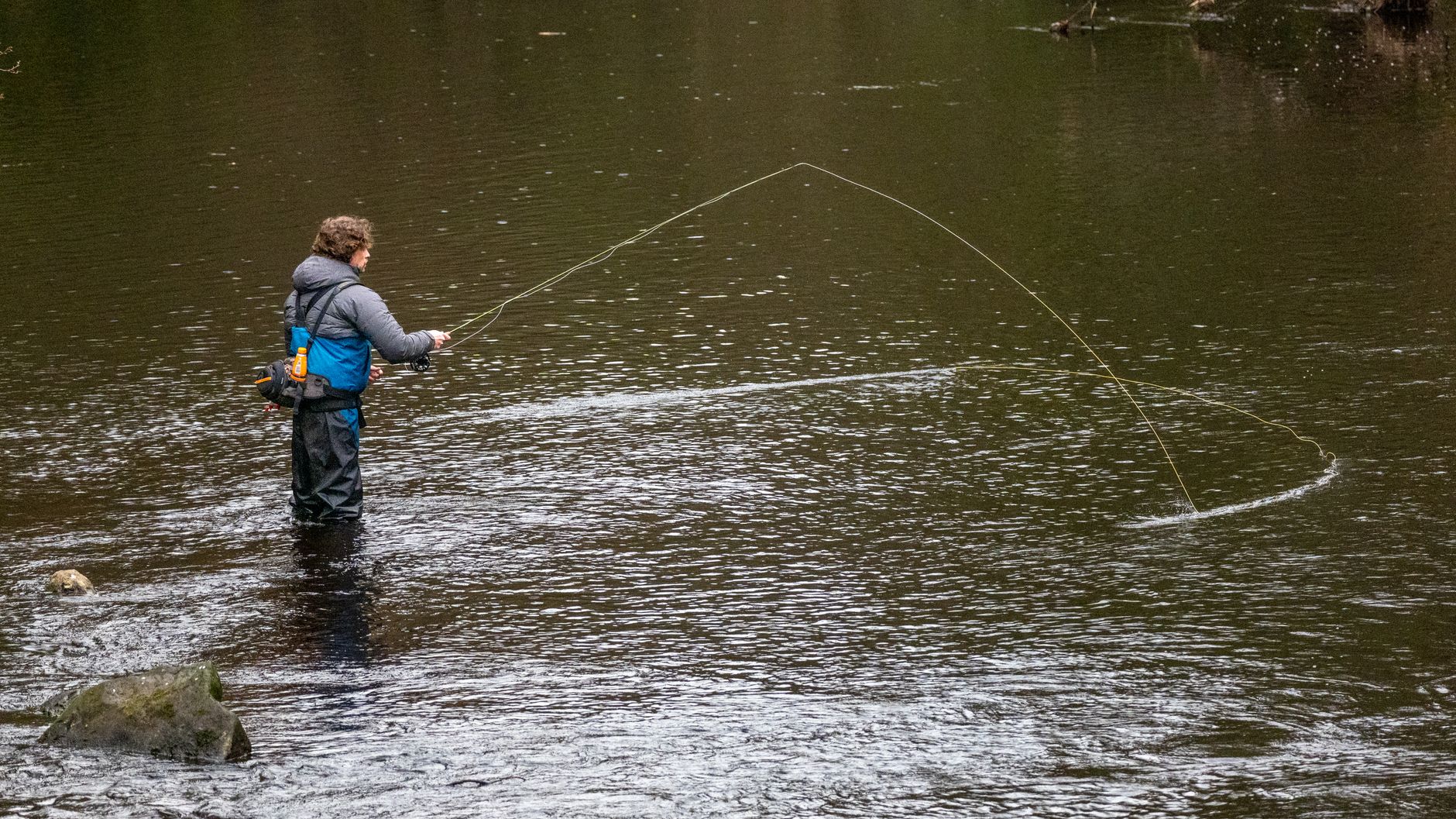

Seasonal timing represents perhaps the most crucial factor in bass fishing success. Spring consistently ranks as the top season for anglers, particularly during the spawning period when bass behavior becomes more predictable.
"When water temperature rises above 65 degrees, bass migrate to shallower waters to spawn. This presents an ideal opportunity for anglers to target bass close to the shoreline," explained expert angler Mark Thompson.
Career Journey
Career Journey
Career Journey

During spring and early summer months, bass emerge from their cold-weather lethargy and increase feeding activity in preparation for spawning. This behavioral shift creates exceptional fishing opportunities that draw anglers to lakes and rivers nationwide.
However, veteran angler Robert Hanks warns that adaptability remains essential throughout the season. "In spring, bass are found in shallower waters, but as temperatures rise, they tend to retreat to deeper parts of the lake," Hanks observed. This seasonal migration pattern requires anglers to continuously adjust their approach and fishing locations.
"In spring, bass are found in shallower waters, but as temperatures rise, they tend to retreat to deeper parts of the lake,"
**Weather Conditions Drive Bass Activity**
Impact and Legacy
Impact and Legacy
Understanding weather's impact on bass behavior can mean the difference between a successful outing and returning home empty-handed. Barometric pressure changes, in particular, significantly influence bass feeding patterns.
"Barometric pressure plays a pivotal role in bass activity. Significant drops, especially before a storm, often lead to increased feeding, whereas steady high pressure can shut them down," explained fishing analyst Sara Mitchell.
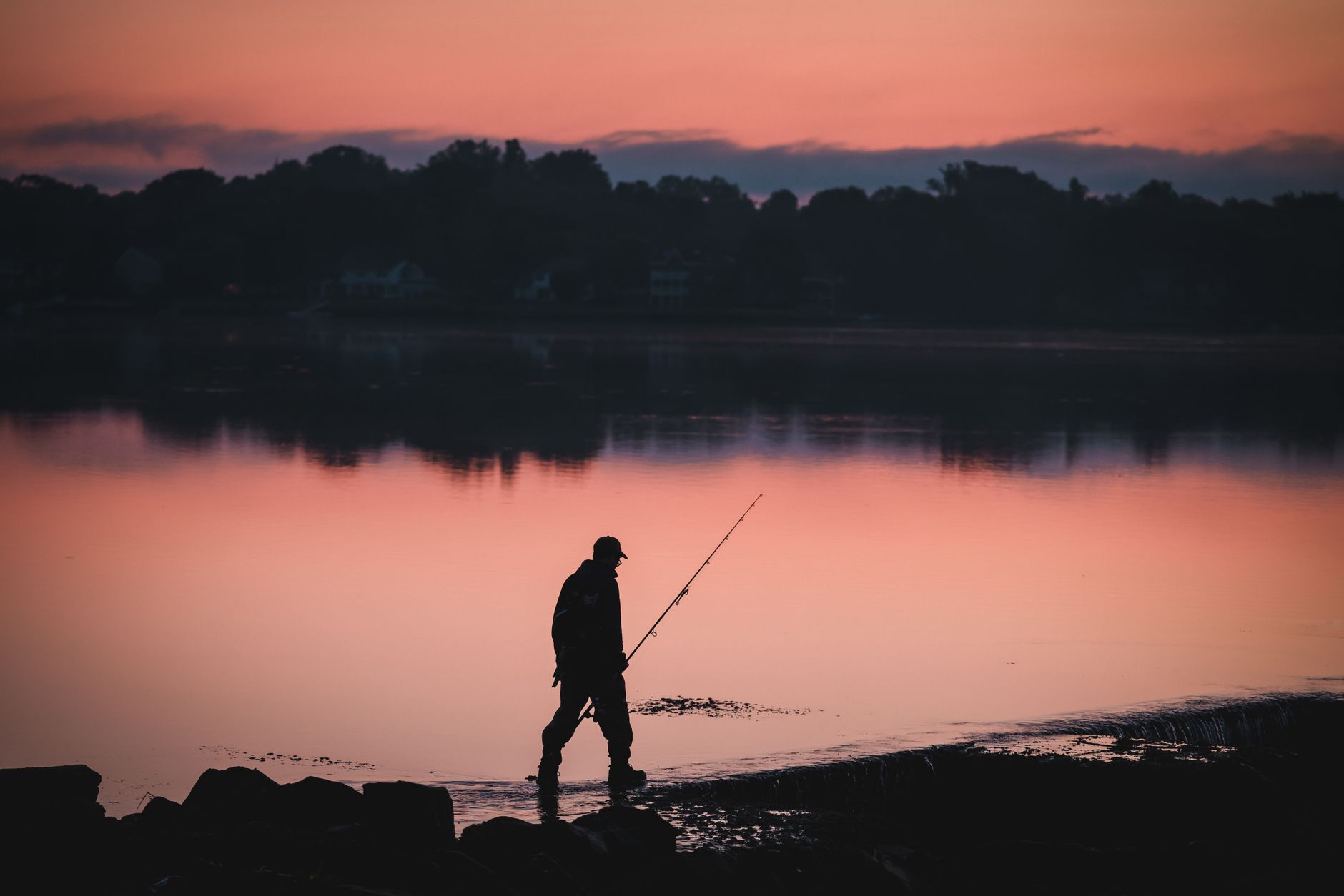
Time of day also affects bass behavior considerably. Dawn and dusk emerge as optimal fishing periods when lower light conditions encourage bass to become more active. "Fishing during these times not only increases your chances but also enhances your overall experience," Thompson emphasized.
"Fishing during these times not only increases your chances but also enhances your overall experience,"
Race Results
**Equipment Selection Impacts Success**
Proper tackle selection forms the foundation of effective bass fishing, regardless of an angler's experience level. The right rod and reel combination, paired with appropriate fishing line, can dramatically improve performance on the water.
"A suitable rod and reel combination not only enhances your casting but also improves your ability to feel and set the hook on bites effectively," noted equipment specialist James Reddy. He often recommends established brands like Daiwa for their innovation and reliability in bass fishing applications.
"A suitable rod and reel combination not only enhances your casting but also improves your ability to feel and set the hook on bites effectively,"
Fishing line selection requires careful consideration of fishing conditions. Braided lines offer superior strength and minimal stretch, making them ideal for fishing in heavy cover where bass often hide. "On the other hand, fluorocarbon lines are nearly invisible in water, making them effective for clear conditions," Reddy added.
"On the other hand, fluorocarbon lines are nearly invisible in water, making them effective for clear conditions,"
**Lure Selection Strategy**
"Topwater lures work wonders during early morning or late evening when bass are actively feeding on the surface," suggested professional fisherman Doug Ashby. He also recommends [crankbaits](/gear/crankbait) that effectively mimic baitfish movement and plastic worms that offer versatility through various rigging techniques.
"Topwater lures work wonders during early morning or late evening when bass are actively feeding on the surface,"
Color selection should match water conditions for optimal effectiveness. In murky or stained water, brighter colored lures help bass locate the offering more easily. Conversely, natural color patterns work best in clear water conditions where bass can examine lures more closely.
Lure size should correspond with the prevalent forage fish in the specific body of water being fished. Matching the size of natural prey increases the likelihood that bass will strike artificial offerings.
**Building Long-term Success**
Successful bass fishing extends beyond simply casting a line into the water. It requires developing an understanding of fish behavior, environmental conditions, and how different variables interact to influence bass activity.
The combination of proper timing, weather awareness, quality equipment, and strategic lure selection creates a foundation for consistent success. As anglers gain experience and refine their approach, they often discover that bass fishing offers both the tranquility of being on the water and the excitement of matching wits with one of freshwater fishing's most challenging and rewarding species.
For those beginning their bass fishing journey or looking to improve their success rate, focusing on these fundamental elements provides a proven path toward more productive and enjoyable fishing experiences.