
In the world of bass fishing, the techniques of flipping, pitching, and punching often confuse anglers. While they may appear similar at first glance, each method is tailored for different situations and challenges on the water. All three strategies can lead to impressive catches of largemouth, spotted, and smallmouth bass when executed correctly. Understanding the habitat and cover suitable for each technique is key to mastering them effectively.
"The trick to mastering flipping, pitching, and punching is learning the habitat and cover best suited for each technique," said Shaye Baker, an experienced angler and author. This guide aims to clarify the distinctions between these methods, when and where to apply them, and the essential gear needed to enhance your fishing experience.
Definitions of Flipping, Pitching, and Punching
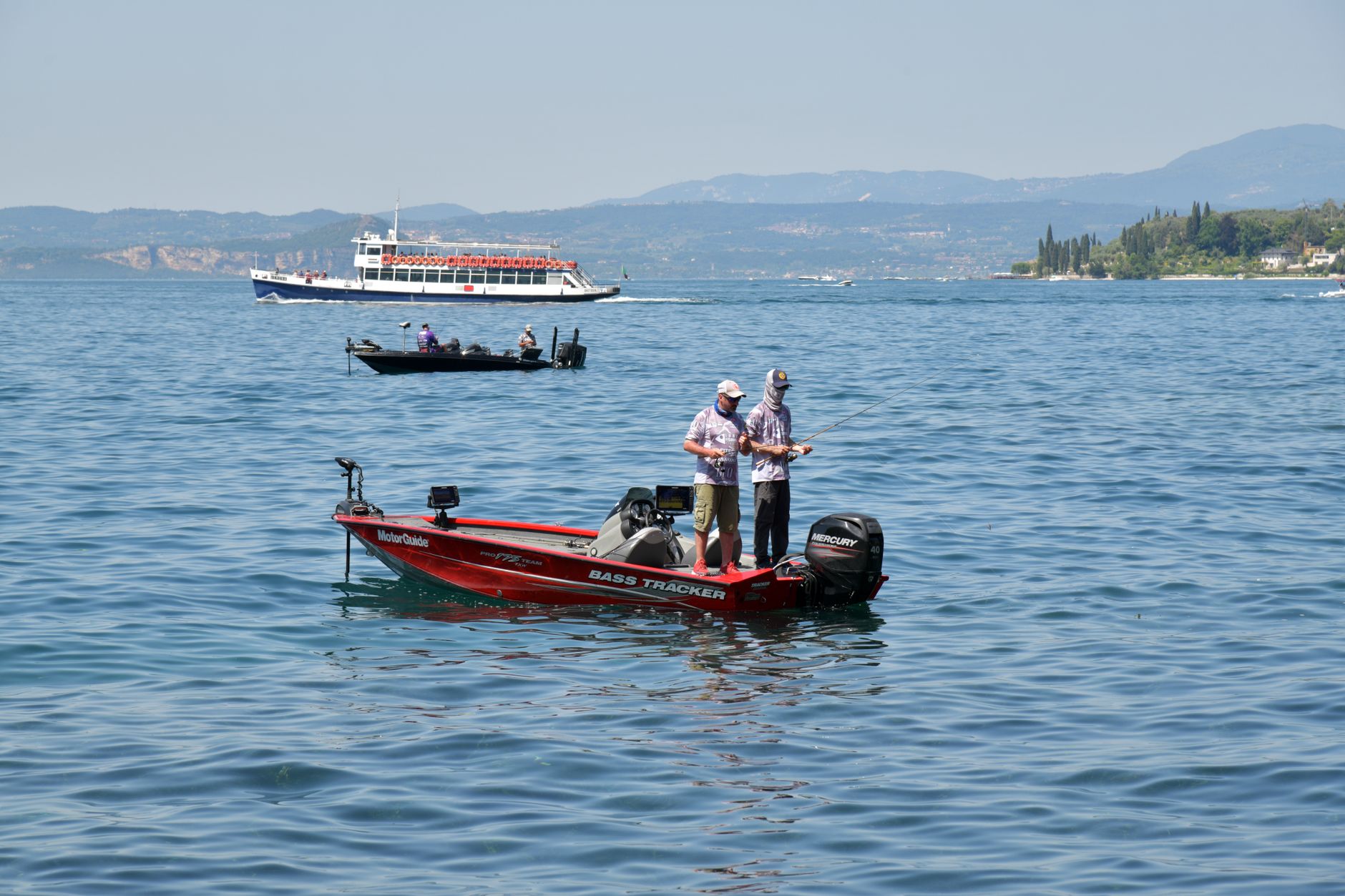
Each of these casting techniques serves a specific purpose. Pitching stands out as the most frequently used method, characterized by an underhand cast with a Texas-rigged soft plastic or jig aimed at cover nearby but at a distance that necessitates releasing the reel's spool.
Flipping, on the other hand, is a classic technique that tends to be overlooked in modern fishing. "Flipping is an old-school technique that is rarely used anymore, but works really well when fishing several pieces of cover very close to the angler." This method allows for precision in placing the bait using extra line let out from the reel.
Lastly, punching refers to a hybrid of flipping and pitching, requiring a heavier weight and robust gear to penetrate dense, matted cover. Understanding these distinctions can significantly impact one’s success on the water.
Pitching: Timing and Techniques
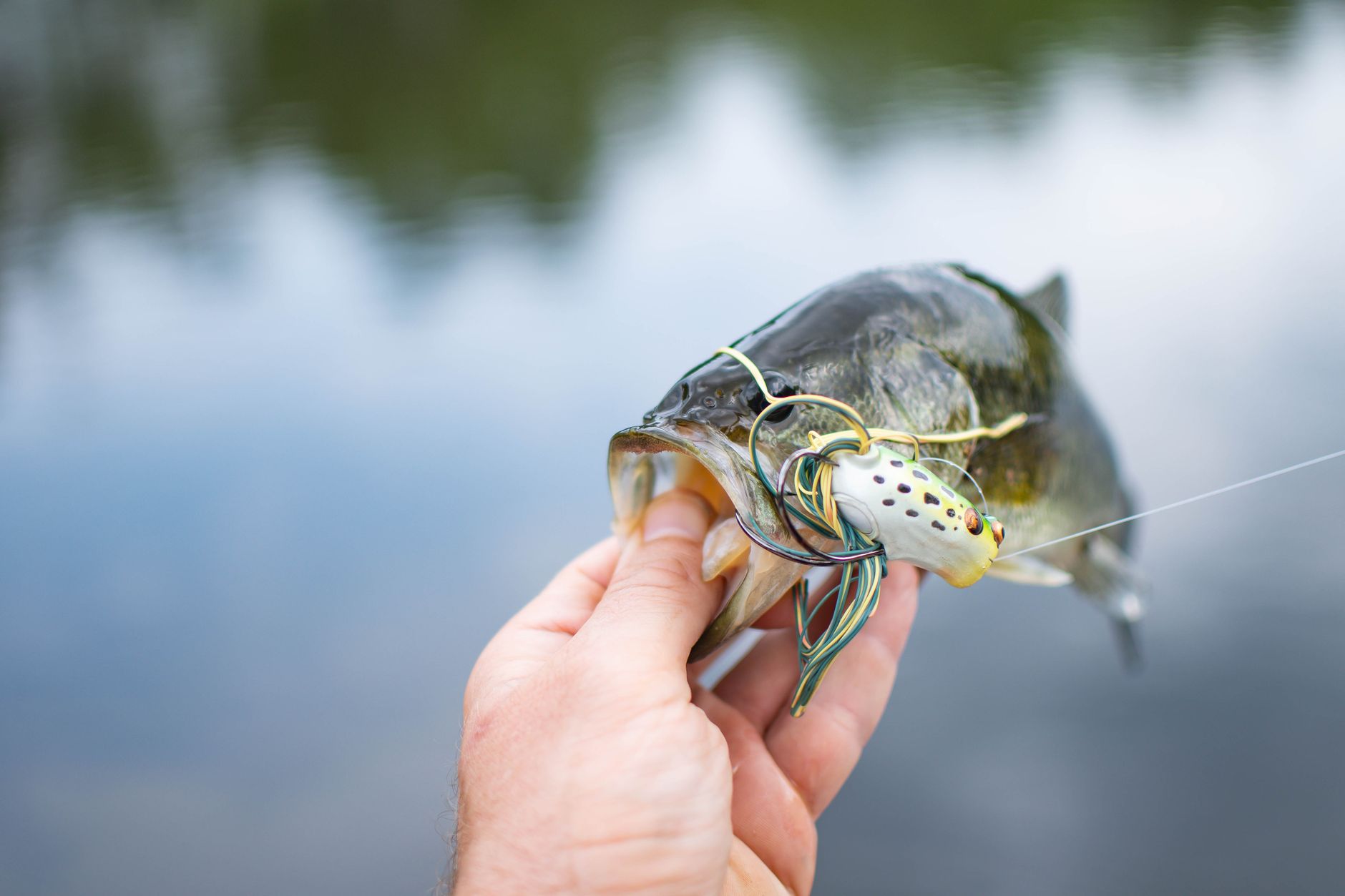
So when should anglers opt to pitch? This technique shines when bass are lurking near isolated cover, whether during spawn seasons, the heat of summer, or even winter’s chill. "Anytime that bass are hanging close to stumps, reed clumps, dock posts, or other shallow cover, it’s a great time to pitch," Baker explained.
Ideal baits for this method include jigs, Texas-rigged worms, tubes, and creature baits. Depending on the fishing environment, anglers should consider their gear wisely. Baker suggests starting with a solid fluorocarbon line in the 17-pound test range, paired with a reliable baitcaster and a medium heavy action rod ranging from 7 to 7-foot 3 inches.
Recommended gear includes:
- Rod: Abu Revo X Casting Rod 7’ Medium Heavy - Reel: Abu Garcia Revo X LP Casting Reels 7.3:1 - Bait: 3/8-ounce Dirty Jigs Luke Clausen Compact Pitchin’ Jig - Line: 17-pound Seaguar InvizX Fluorocarbon

These components, according to Baker, form a robust foundation for effective pitching.
Flipping: The Classic Revival
Turning to flipping, this method is most productive around shallow cover, often alongside features like docks and brush piles. Although it has seen a decline in popularity due to the convenience of offshore techniques, its effectiveness remains undeniable in certain conditions. "Flipping is a technique that, although not used as much today, can prove valuable in areas teeming with cover," noted Baker.
The close-range application allows for strategic targeting of the bass that remain shielded in thick vegetation. This technique can help anglers catch fish that others may overlook. Baker emphasized, "If you’re in a situation with an abundance of cover, moving in tight and picking it apart with a flipping technique can yield impressive results."
Mastering the art of flipping demands practice, allowing anglers to place their bait with incredible accuracy. This tweak in casting style, focusing on controlled movements, can create opportunities in densely populated fishing areas.
Punching: Heavy-Duty Tactics for Thick Cover
Punching, a variation that caters to extreme scenarios, equips the angler with heavier weights and sturdier gear to navigate through thick or matted cover. This technique can often be employed as an alternative to flipping or pitching when faced with challenging environments.
As with all angling techniques, the success lies in knowing when to use each method. Whether you choose to flip, pitch, or punch, mastering these tactics opens up a world of possibilities for targeting elusive bass.
Conclusion
Ultimately, by harnessing the techniques of flipping, pitching, and punching, anglers can maximize their chances of landing trophy bass. Understanding when and where to use each technique is essential for a successful fishing trip. With practice and the appropriate gear, the ability to adapt and utilize these methods can transform an everyday fishing experience into a memorable adventure.