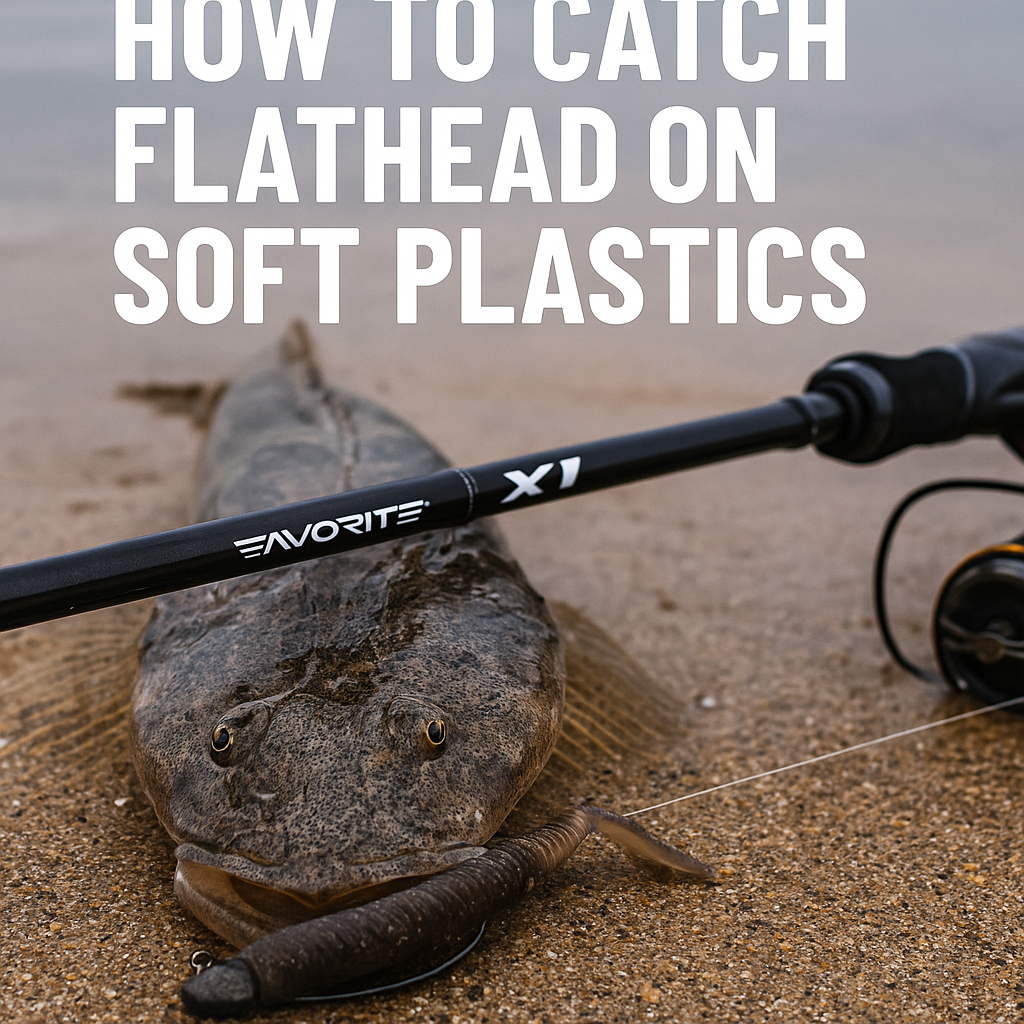
Flathead fishing stands as one of the most engaging angling experiences in Australia, particularly when it comes to using soft plastics. These lures have gained a reputation for being highly effective in entreating flathead, showcasing lifelike action that can entice even the most cautious fish. Be it shallow waters, deep channels, or sandy flats, soft plastics are a versatile tool for anglers of different skill levels.
"Flathead are ambush predators that lie in wait on the bottom, exploding on prey that swims close," said an experienced angler. This strategy of patience is well complemented by the use of soft plastics, which provide an array of benefits: a realistic bottom-hopping presentation, precise depth control aided by [jigheads](/gear/jig-head), a diverse choice in sizes, colors, and shapes, and the advantage of being affordable and reusable.
Essential Equipment for Flathead Fishing
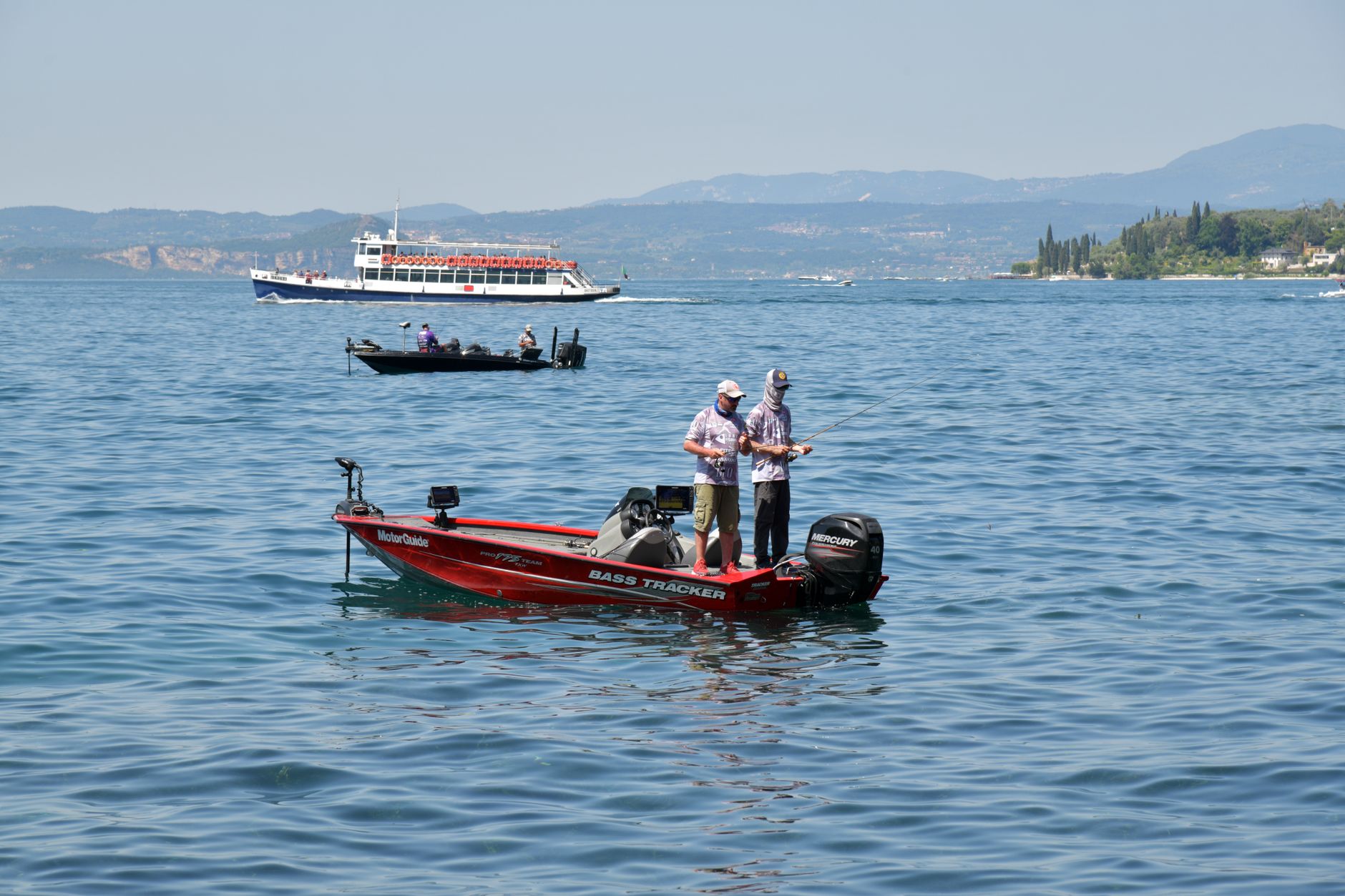
When gearing up for flathead fishing, it's crucial to achieve a balance between finesse and power due to the species’ size and striking force.
For rods, a length of between 7’0”–7’6” is preferred, with medium-light to medium power and fast action. "The Favorite X1 Series is perfect for jighead-style presentations with excellent sensitivity and casting ability," said a local tackle shop owner. Specific recommendations include a 7’2” model for kayak or shore fishing, while boat anglers may opt for a 7’6” model to cover more ground efficiently. The benefits of using the Favorite X1 are numerous, including crisp action for twitching and a sensitive tip that helps detect the often subtle strikes of flathead.
Matching your chosen rod with a spinning reel sized between 2500–3000 is advisable. Key features to consider include a smooth drag to counteract the strong head shakes of flathead, a lightweight design for extended casting periods, and durable gearing capable of handling saltwater conditions.
Ideal Soft Plastics for Flathead
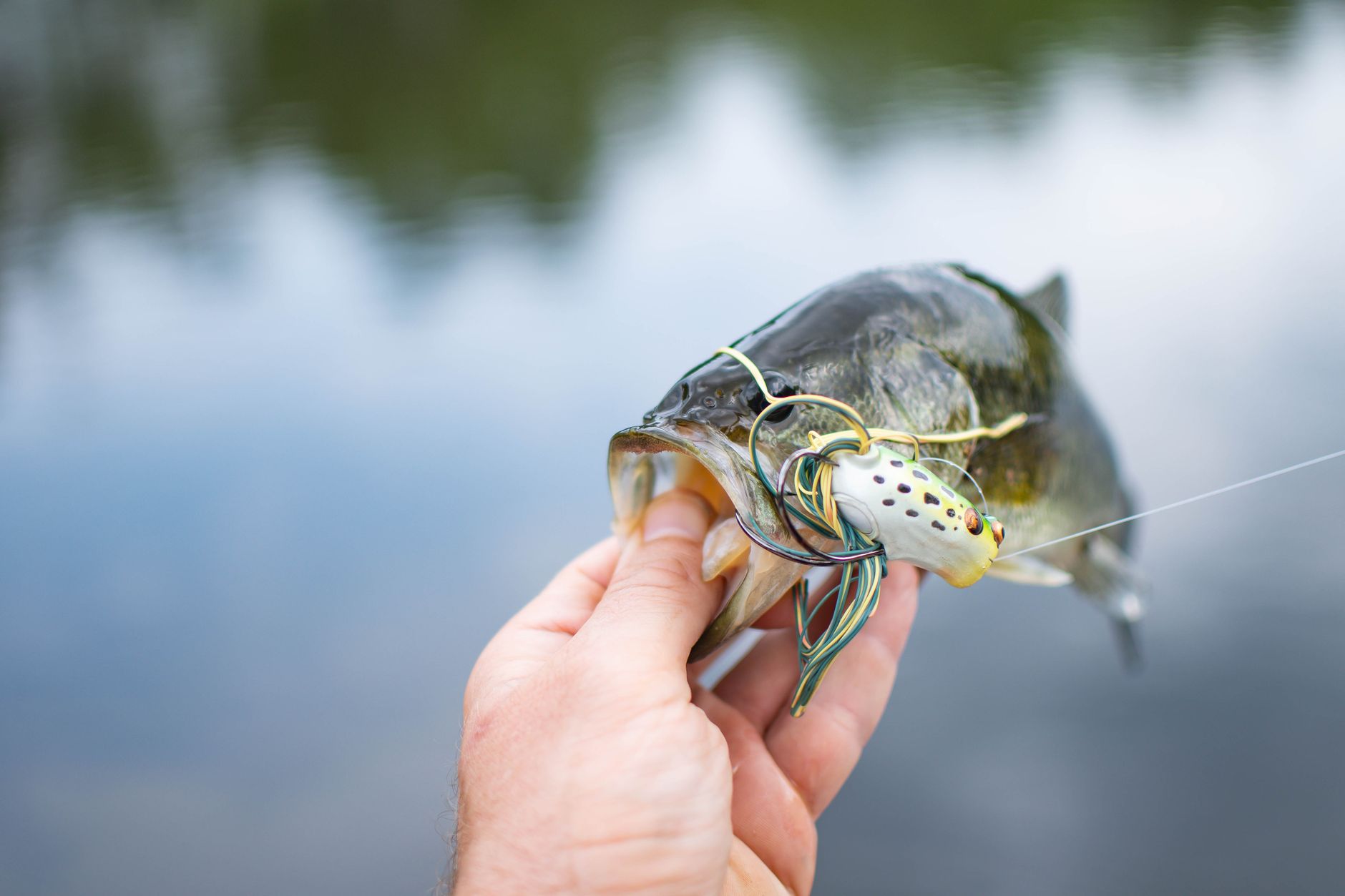
When it comes to the choice of soft plastics, flathead are generally unpicky, but the presentation remains critical. Paddle tails in the range of 3”-5” are particularly effective for covering water at a steady retrieve, while curl tail grubs exhibit a natural swimming motion when worked slowly, making them ideal during cooler months. Additionally, creature baits that mimic prawns, yabbies, and crabs yield great results around weedy structures.
Some favorite colors have emerged among flathead anglers: motor oil, bloodworm, UV pearl, pumpkin seed, and chartreuse, especially in murky waters.
"Always use the lightest jighead you can confidently control to ensure a natural presentation," advised a fishing expert, emphasizing that the importance of weight selection cannot be overstated. The range for jighead weights typically spans from 1/8 oz to 3/8 oz, with hook sizes varying from 2/0 to 4/0 to accommodate larger plastics.
Effective Jigging Techniques

To maximize success while flathead fishing, one must focus on the retrieval method. The classic "Hop & Pause" technique is particularly effective – letting the lure touch down, performing two sharp hops, and then allowing a long pause as flathead often strike during the waiting period.
In addition, the "Lift & Drag" method involves slowly lifting the rod to drag the plastic across the bottom, providing a tactical pause that can lure lethargic flathead.
For those fishing from boats, vertical jigging becomes an exciting option. "Drop straight down near drop-offs or holes, using minimal lifts and twitches; it keeps the lure in the strike zone longer," suggested a seasoned local guide.
Prime Locations for Flathead Fishing
Anglers looking for quality flathead spots in Australia should consider Lake Macquarie in New South Wales, known for its substantial flathead population. The Gold Coast Broadwater in Queensland also offers promising fishing opportunities due to its shallow flats and tidal edges.
Mallacoota Inlet in Victoria is celebrated for its clear waters and sizable flathead, making it a top choice for sight fishing. Meanwhile, Tasmania's Derwent River provides an estuary system that hosts strong seasonal runs of flathead, while St Georges Basin in New South Wales boasts multiple habitats offering consistent year-round action.
Common Pitfalls to Avoid
To enhance your fishing success, avoid common mistakes such as utilizing a jighead that is too heavy, which can lead to an unconvincing fall. An overly swift retrieve can cause missed strikes, while skipping leader lines can lead to braid damage, particularly given the abrasive nature of flathead teeth. It's also suggested to fish not only during high tides as the best bites tend to occur during run-out tides, and setting the hook smoothly rather than too hard can yield better results.
Frequently Asked Questions
Anglers often have specific inquiries regarding flathead fishing with soft plastics. For instance, the ideal size for a plastic is generally between 3 to 4 inches, although adjustments can be made for larger fish. Fishing in winter can still be productive, provided anglers slow their retrieval and target deeper edges. Scent is an optional extra, and many find it beneficial in heavily fished areas. The optimal time to fish for flathead is typically during the run-out tide, as it concentrates bait over drop-offs. Furthermore, fishing from the shore is entirely feasible; anglers should focus on casting long and retrieving slowly to cover more ground.
In summary, mastering flathead fishing with soft plastics requires the right combination of gear, methods, and locations. With patience and practice, anglers can greatly increase their chances of landing these iconic fish.