As fishing season reaches its peak, anglers across the country are grappling with a fundamental question that can determine the success of their entire expedition: which technique should they use? With countless methods adapted to different environments and fish species, the decision has become increasingly complex for both novice and experienced fishermen.
The challenge stems from fishing's evolution alongside local cultures and native fish populations, creating a diverse landscape of specialized techniques that can dramatically impact results. "The right technique can dramatically increase your chances of a great catch," emphasized Andriana, an experienced angler and guide. "It's all about understanding the environment and the species you're targeting."
"The right technique can dramatically increase your chances of a great catch,"
This understanding begins with recognizing the distinct types of fishing environments, each requiring different approaches and offering unique rewards. The fishing community generally categorizes these environments into several key areas, ranging from accessible shoreline spots to challenging deep-water adventures.

Inshore fishing has emerged as a popular choice for those seeking a balance between accessibility and excitement. Conducted in waters up to 20 feet deep, this approach opens doors to catching engaging species without requiring extensive travel or equipment. "Inshore fishing is ideal for beginners and families alike, as it combines accessibility with the thrill of the catch," stated an experienced charter captain.
"Inshore fishing is ideal for beginners and families alike, as it combines accessibility with the thrill of the catch,"
Race Results
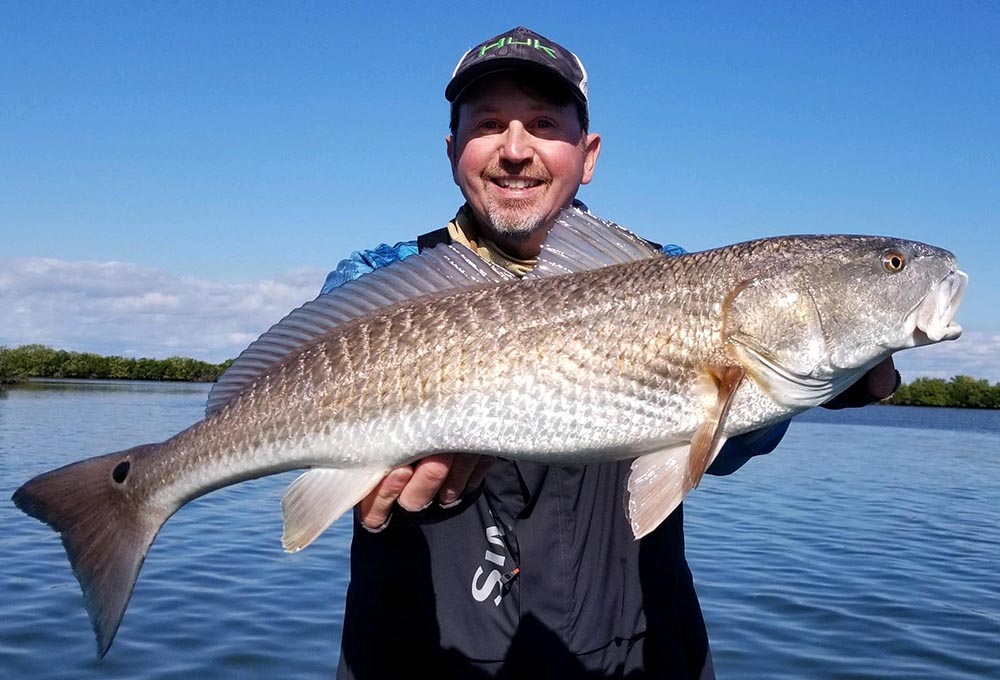
The shallow waters provide excellent opportunities to target species such as Redfish, Spotted Seatrout, and Flounder. These fish offer both sporting challenge and culinary value, making inshore fishing an attractive option for anglers looking to combine recreation with practical results. The technique's proximity to shore also means shorter trips and lower costs, factors that have contributed to its growing popularity among casual fishing enthusiasts.
For those ready to venture slightly further, nearshore fishing presents the next level of challenge and opportunity. Typically conducted in waters deeper than 20 feet but still within a few miles of shore, this method varies significantly by region, offering diverse experiences depending on local geography and fish populations.
Race Results
"Reef and wreck fishing are particularly effective in nearshore waters, resulting in great catches," remarked an avid nearshore angler. The technique's effectiveness lies in targeting underwater structures where fish naturally congregate. Species like Snapper and Grouper are commonly sought after in these environments, making nearshore fishing a favorite among anglers seeking both variety and consistent results.
"Reef and wreck fishing are particularly effective in nearshore waters, resulting in great catches,"
Race Results
The appeal of nearshore fishing extends beyond just the catch potential. Even short excursions in these waters can yield remarkable results, providing both seasoned anglers and novices with gratifying experiences. The moderate distance from shore strikes an ideal balance between adventure and practicality.
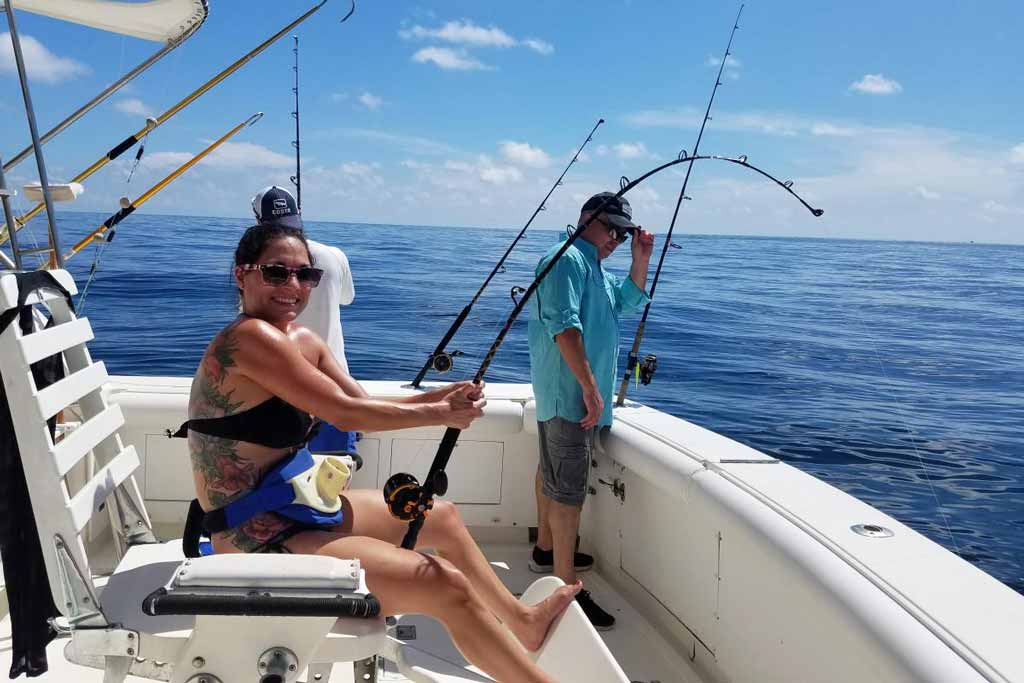
At the extreme end of the spectrum lies deep sea fishing, often synonymous with offshore fishing, which targets some of the ocean's largest and most prized species. Taking place in waters deeper than 100 feet, this technique promises an exhilarating experience that attracts serious sport fishermen from around the world.
"This is where the major catches happen," noted a deep sea charter operator, highlighting the technique's reputation for producing trophy-worthy results. The deep waters are home to legendary species including Marlin, Tuna, Sailfish, and Swordfish – fish that represent the pinnacle of sport fishing achievement.
"This is where the major catches happen,"
However, deep sea fishing requires significant commitment. "Be prepared for a longer trip to reach the fishing grounds, but the rewards can be well worth it," the charter operator added. The extended travel time, higher costs, and demanding conditions make this technique best suited for serious anglers seeking the ultimate fishing challenge.
"Be prepared for a longer trip to reach the fishing grounds, but the rewards can be well worth it,"
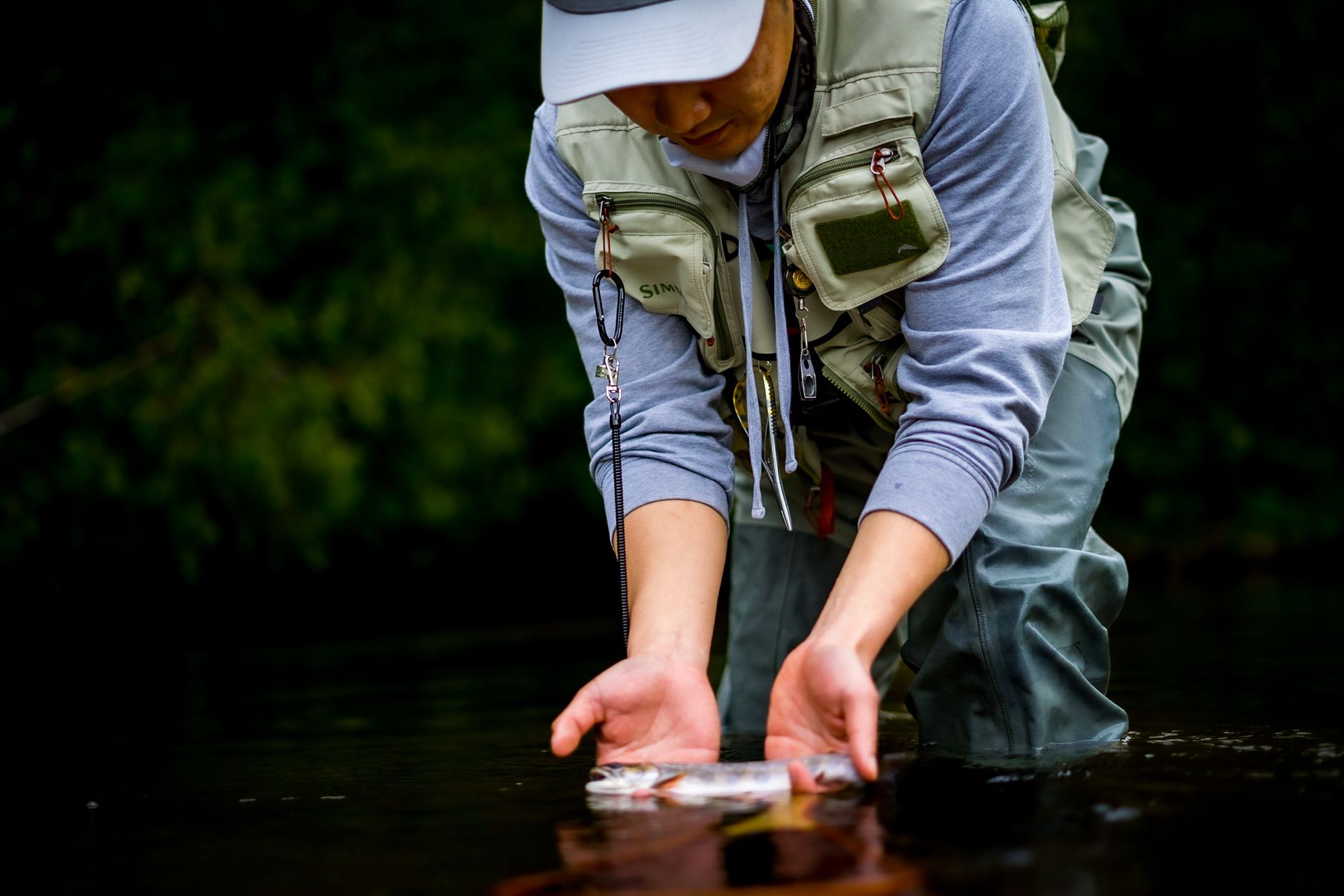
Freshwater environments offer entirely different opportunities and techniques. River fishing embodies the traditional essence of freshwater angling, allowing anglers to cast lines from banks while employing various specialized methods. "Whether you're fly fishing for trout or bottom fishing for catfish, rivers offer something for everyone," noted an expert in freshwater fishing methods.
"Whether you're fly fishing for trout or bottom fishing for catfish, rivers offer something for everyone,"
The diversity of river fishing techniques reflects the varied nature of freshwater species and environments. From the technical precision required for fly fishing to the patient approach needed for bottom fishing, rivers provide platforms for developing different skill sets and fishing philosophies.
Lake fishing and surf fishing round out the primary categories, each offering unique advantages. Lake environments typically provide tranquil settings with diverse catch opportunities, while surf fishing invites enthusiasts to work directly from shorelines, targeting species like Flounder and Striped Bass in the dynamic environment where ocean meets land.
Beyond traditional approaches, unique fishing techniques continue to gain attention among enthusiasts seeking new challenges. Methods such as bowfishing and ice fishing have drawn dedicated followings, offering entirely different skill sets and seasonal opportunities. "These techniques add a different layer to the sport, providing opportunities in various environments," remarked an analyst in fishing trends.
"These techniques add a different layer to the sport, providing opportunities in various environments,"
The key to success across all these techniques lies in understanding fish behavior and environmental factors. "Understanding the feeding habits of the fish you're targeting is crucial in choosing your technique," explained a professional fishing guide. This insight forms the foundation for transforming a simple outing into a productive and enjoyable fishing experience.
"Understanding the feeding habits of the fish you're targeting is crucial in choosing your technique,"