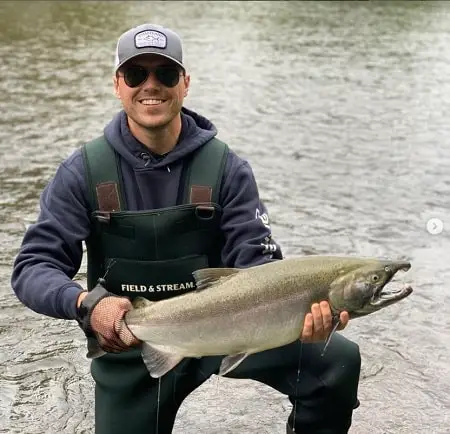
Coho salmon fishing offers an exhilarating experience, as these fish are known for their aggressive bites and fierce battles. According to fishing guide Michael from Healy Outdoors, "It's hard to beat Coho salmon fishing since they are plentiful, aggressively attack lures and baits, and are one of the hardest fighting and most acrobatic salmon on the West Coast." This article compiles essential tips and techniques to enable anglers to maximize their chances of success.
Coho salmon thrive in the Pacific Northwest, largely inhabiting waters from Alaska down to central California. Notably, the Great Lakes boast stocked populations of coho, making various fishing tactics applicable across regions. The current world record for coho salmon stands at an impressive 33.4 pounds, a catch made on New York's Salmon River, which is also renowned for its robust runs of both Coho and Chinook salmon.
Typically, adult coho weigh between 8 to 12 pounds and measure about 24 to 30 inches in length. Commonly referred to as silvers or silver salmon, these fish exhibit varied feeding habits depending on their environment. As they journey back to spawn, coho often consume salmon eggs, worms, and insects, alongside baitfish akin to their size.

"When they return to the river for spawning, they will eat the same or similar baitfish, salmon eggs, insects, worms, and often, anything that looks edible," Michael explained, highlighting the opportunistic feeding nature of coho.
"When they return to the river for spawning, they will eat the same or similar baitfish, salmon eggs, insects, worms, and often, anything that looks edible,"
Spawning season occurs from September through October, with smaller fish typically entering rivers before the larger ones. "Coho salmon are anadromous, which means they are born in cold, clean freshwater streams where they spend a year before migrating out to the saltwater ocean to feed and mature before returning to spawn and die," added Michael, emphasizing the unique lifecycle of the species.
"Coho salmon are anadromous, which means they are born in cold, clean freshwater streams where they spend a year before migrating out to the saltwater ocean to feed and mature before returning to spawn and die,"
Career Journey
Career Journey
Career Journey
Fishing for coho in rivers presents a different challenge compared to ocean fishing. In the Great Lakes and southern regions of their Pacific range, anglers start targeting coho by late August, with stronger runs occurring from September to November. In contrast, some Alaskan rivers see early arrivals as soon as mid-July, with the bulk peaking in August and September.
Wherever the coho are swimming, understanding their movement in rivers is vital. The river can be conceptually divided into sections for better fishing strategies. The lower sections of large rivers like the Columbia or Fraser resemble lakes, with anglers often employing trolling techniques. Meanwhile, bank fishers can target deep edges where coho tend to funnel.
Fishing in tidal zones can intensify coho activity. Michael explained, "In the lower river, the coho activity and best fishing often peaks during high tides or what is known as flood tide." Conversely, in smaller rivers, techniques akin to trout fishing prove effective.
Once coho salmon navigate upstream, searching for travel routes becomes crucial. Their ability to detect surroundings diminishes beyond 10 feet. Therefore, they follow water currents and the riverbed for guidance. "Based on my experience, the salmon point their nose into the current and swim forward, nosing their way up the river," he shared, providing insights into coho behavior during their spawning migration.
"Based on my experience, the salmon point their nose into the current and swim forward, nosing their way up the river,"
One critical aspect of fishing for coho lies in locating holding waters, defined as areas where salmon congregate. According to Michael, "Holding water is the best water to catch salmon. Deeper pools, pockets, and spots that offer shelter and current protection are ideal hunting grounds." Recognizing these areas and employing the right strategies can greatly improve the chances of landing a coho.
As the hunting season for coho salmon approaches in the coming months, fishermen will be armed with practical tips and tactics that promise an action-packed experience. While techniques may vary, understanding the coho's habits and preferences remains paramount in achieving success. With an exciting season ahead, anglers are encouraged to plan their trips and gear up for one of the most thrilling challenges in freshwater fishing.