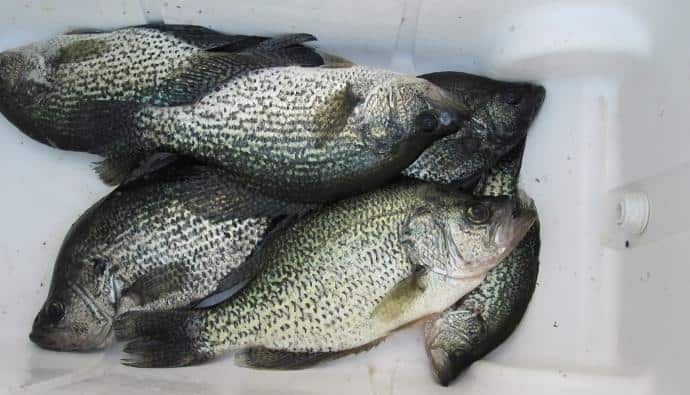
For countless anglers across America, the journey into freshwater fishing begins with a simple rod, a handful of bait, and the pursuit of crappie from the shoreline. This accessible approach to angling requires minimal equipment investment while offering abundant opportunities, as crappie populate freshwater lakes, ponds, and rivers throughout the United States.
The appeal of bank fishing for crappie extends beyond its affordability. These abundant fish provide an ideal introduction to angling techniques while offering experienced fishermen consistent action throughout much of the year. Understanding the fundamentals of crappie behavior, habitat preferences, and seasonal patterns can transform casual shore fishing into productive outings.
**Two Species, Similar Habits**
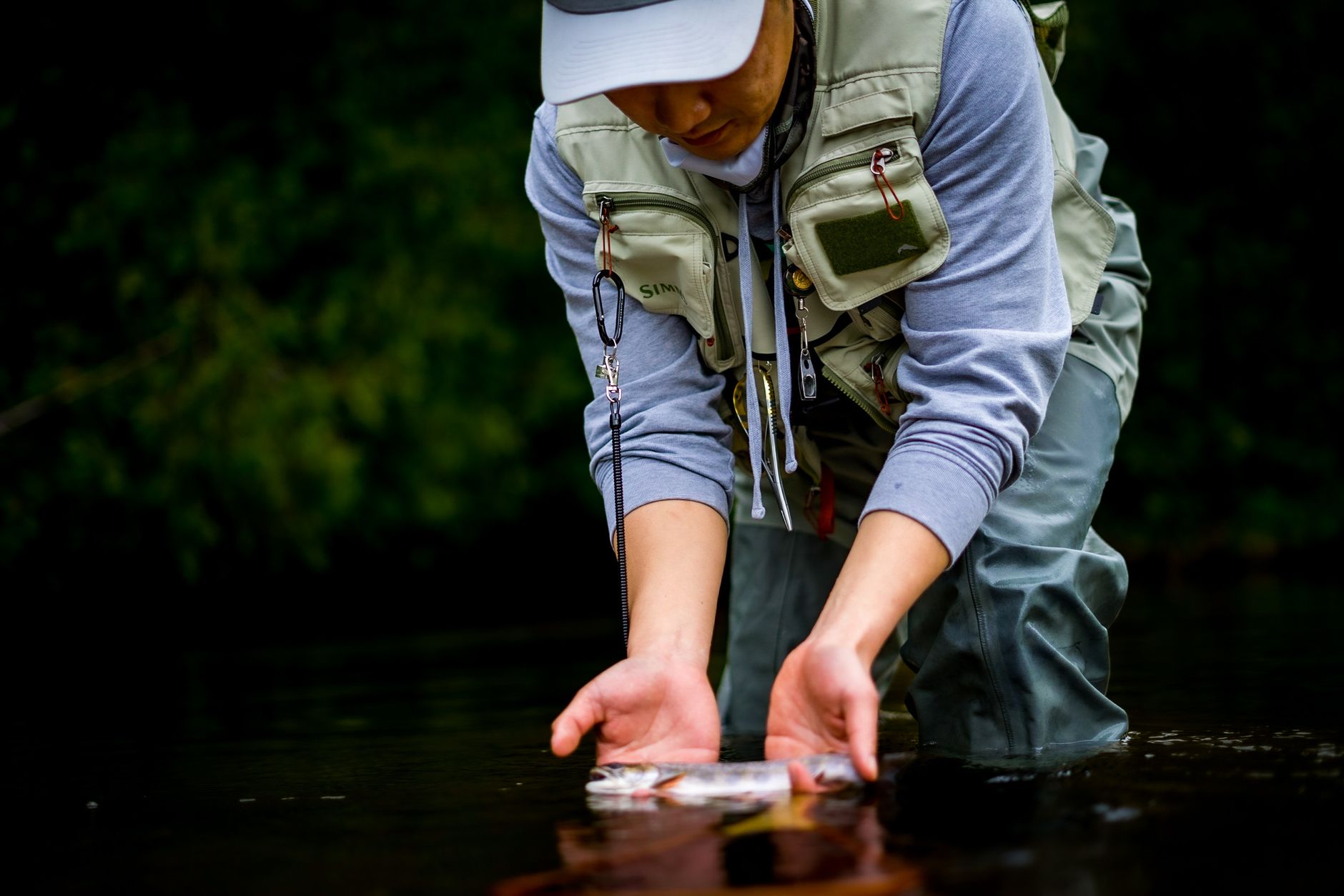

Anglers primarily target two crappie species that share remarkably similar behaviors: the White Crappie (Pomoxis annularis) and the Black Crappie (Pomoxis nigromaculatus). While their habits align closely, physical distinctions help identify each species.
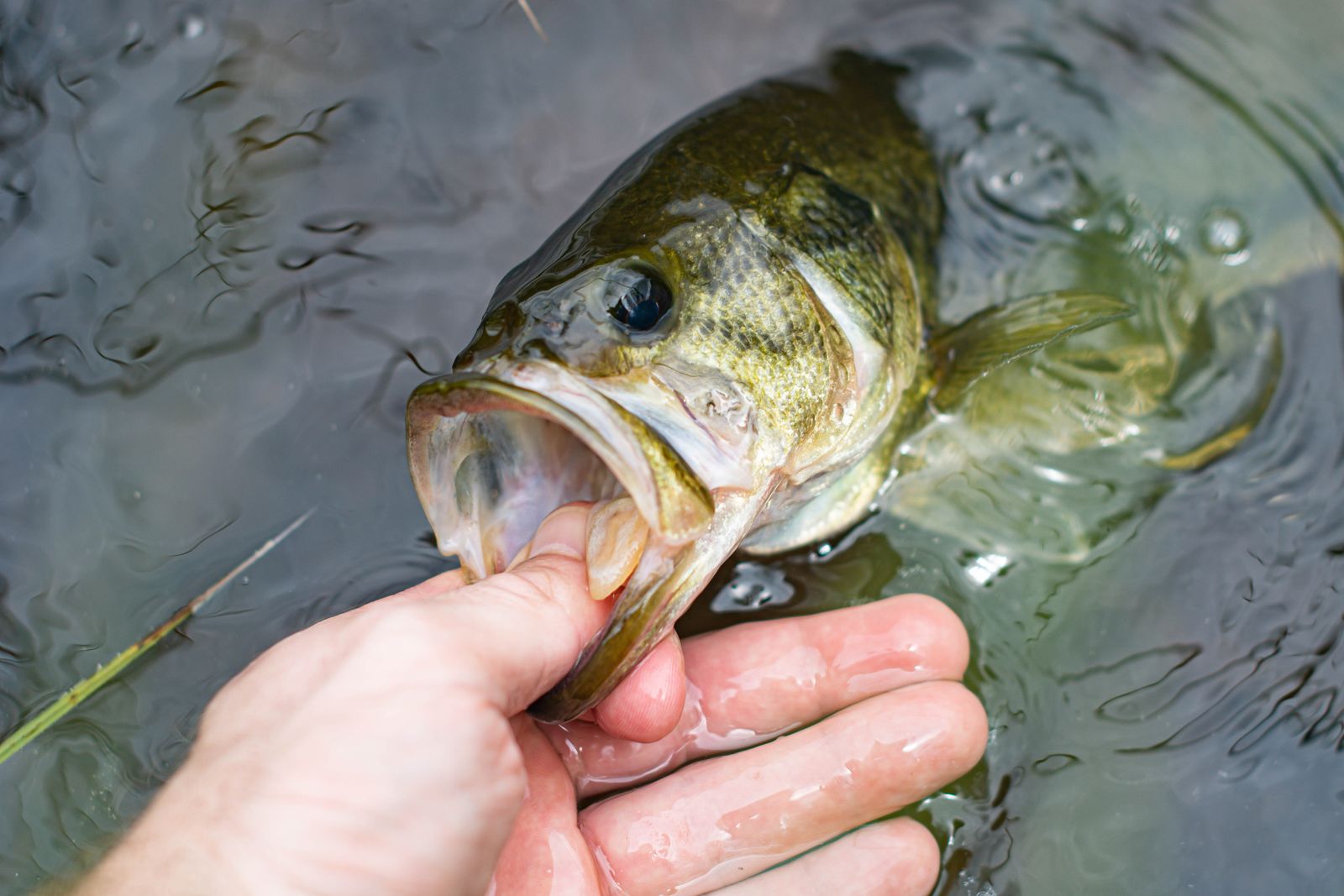
"The black crappie has a mouth similar to a largemouth bass, meaning the jaw extends to just behind the eye. The white crappie's mouth is smaller, not extending past the eye," explained Craig Richardson, a fishing expert. This anatomical difference reflects unique adaptations each species has developed within their respective habitats.
Beyond mouth structure, dorsal fin spine counts provide another identification method. Black crappie typically display 7-8 spines, while white crappie possess six. Coloration offers the most obvious distinction—white crappie feature lighter tones with faint vertical bars, whereas black crappie appear darker with irregular spotting patterns.
**Structure: The Key to Crappie Success**
Championship Implications
Successful crappie fishing from shore depends heavily on understanding structure. These fish thrive in environments offering shelter from predators and ambush points for prey. Shore-bound anglers should focus their efforts around specific structural features.
Creek channels represent prime crappie habitat, particularly in smaller water bodies where older channels maintain sufficient depth. Riprap banks serve dual purposes—reinforcing shorelines while creating ideal hiding spots that attract crappie. Drop-offs, where depth changes occur abruptly, effectively concentrate fish in predictable locations.
Submerged timber creates natural shelter systems that draw crappie consistently. Similarly, brush piles offer excellent habitat that crappie frequent throughout the year. Man-made structures prove equally productive, with docks and piers providing shade while supporting baitfish populations that make these locations crappie hotspots.
Championship Implications
**Understanding Crappie Diet**
Crappie exhibit opportunistic feeding behavior, consuming diverse prey throughout their range. Their varied diet includes amphibians, small fish—particularly young shad favored in Southern states—plus crustaceans and insects that serve as essential food sources, especially for juvenile crappie.
Impact and Legacy
This dietary diversity influences bait selection and fishing techniques. Understanding local forage species helps anglers match their presentations to available prey, improving success rates significantly.
**Timing Makes the Difference**
"Mid to late spring is usually the peak season for catching crappie when they move into shallower waters to spawn," shared fishing guide Emily Thompson. This spawning migration typically begins when water temperatures reach 60-68°F (15-20°C), creating exceptional fishing opportunities for shore-bound anglers.
"Mid to late spring is usually the peak season for catching crappie when they move into shallower waters to spawn,"
Despite seasonal variations, skilled anglers successfully target crappie year-round. Late summer and early fall periods prove particularly productive as cooling water temperatures trigger more aggressive feeding behavior, making fish more responsive to various presentations.
**Bait Selection Strategies**
Effective crappie fishing from shore involves both live bait and artificial lure approaches. Live shad performs exceptionally well, particularly in regions where this baitfish species predominates in local waters.
"Minnows are often cited as the best live bait for crappie," asserted veteran angler Frank Meyer. Proper hooking technique—whether through the lips or back—can enhance presentation effectiveness and improve hookup ratios.
"Minnows are often cited as the best live bait for crappie,"
The combination of understanding crappie species differences, locating productive structure, timing trips appropriately, and selecting effective baits creates a foundation for consistent success. Shore fishing for crappie offers an accessible entry point into freshwater angling while providing enough complexity to challenge experienced fishermen seeking to refine their skills and increase their catch rates.