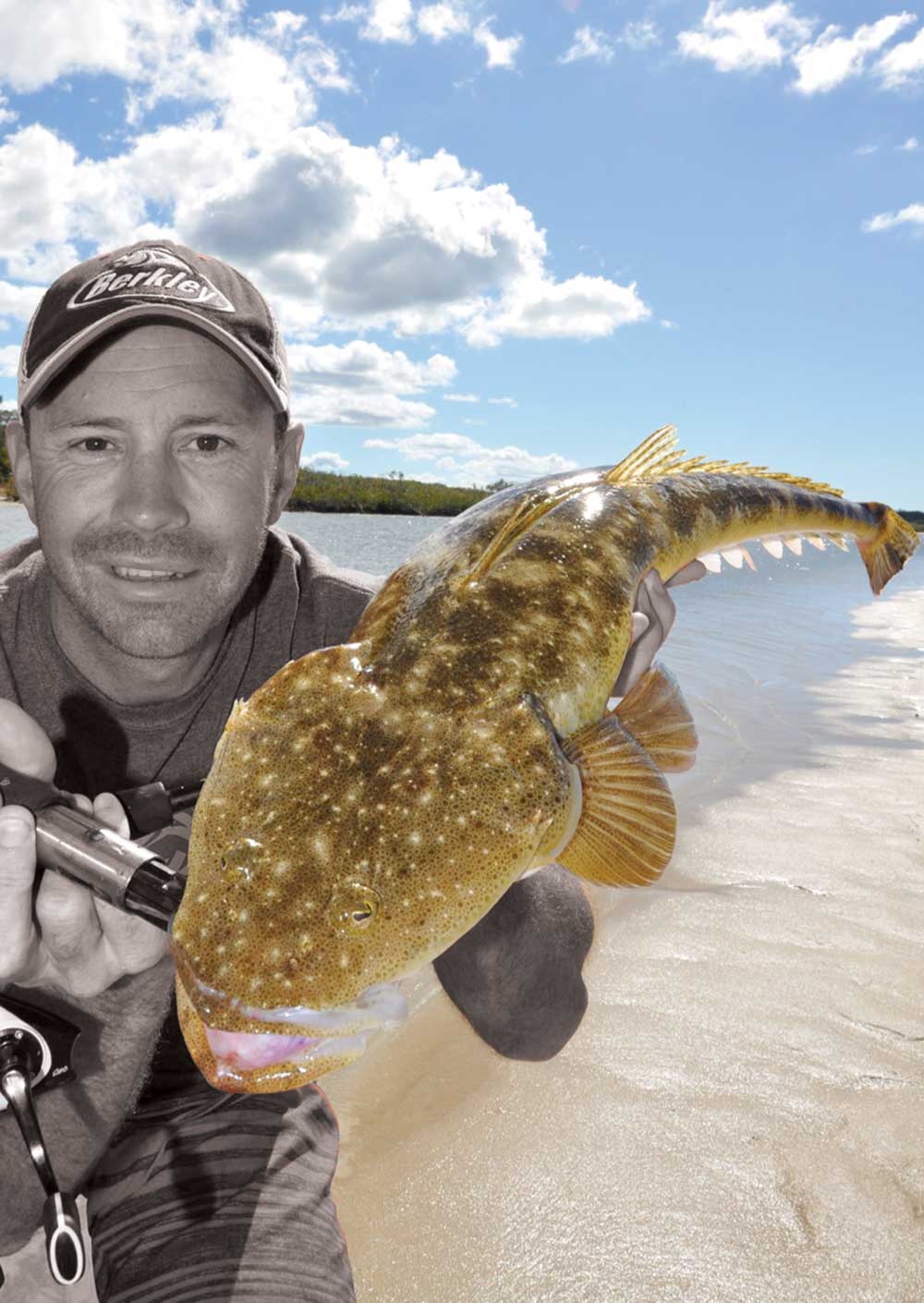
Sight casting in estuary flats offers anglers a unique blend of excitement and strategy. The ability to visually spot fish requires not only patience but also a keen eye for observation. “When I’m out on the flats, it’s all about being in tune with the environment,” said seasoned angler Tom Bertram. “You need to take your time and watch for signs of feeding fish.”
The right conditions can make all the difference when it comes to sight casting. Low light situations, like early morning or late afternoon, often yield better visibility for spotting fish. “I prefer those moments when the sun is just rising; the light is perfect to see into the water,” said fishing guide Annie Smith. This attention to timing is crucial given how quickly fish may move.
Understanding fish behavior is just as important as the conditions. “Fish can be very wary,” warned veteran fisherman Jamie Brock. “If you spook them, you might lose your chance at that trophy catch.” Being stealthy and quiet is essential. Anglers are encouraged to navigate the shallows calmly, avoiding sudden movements that could alert nearby fish.
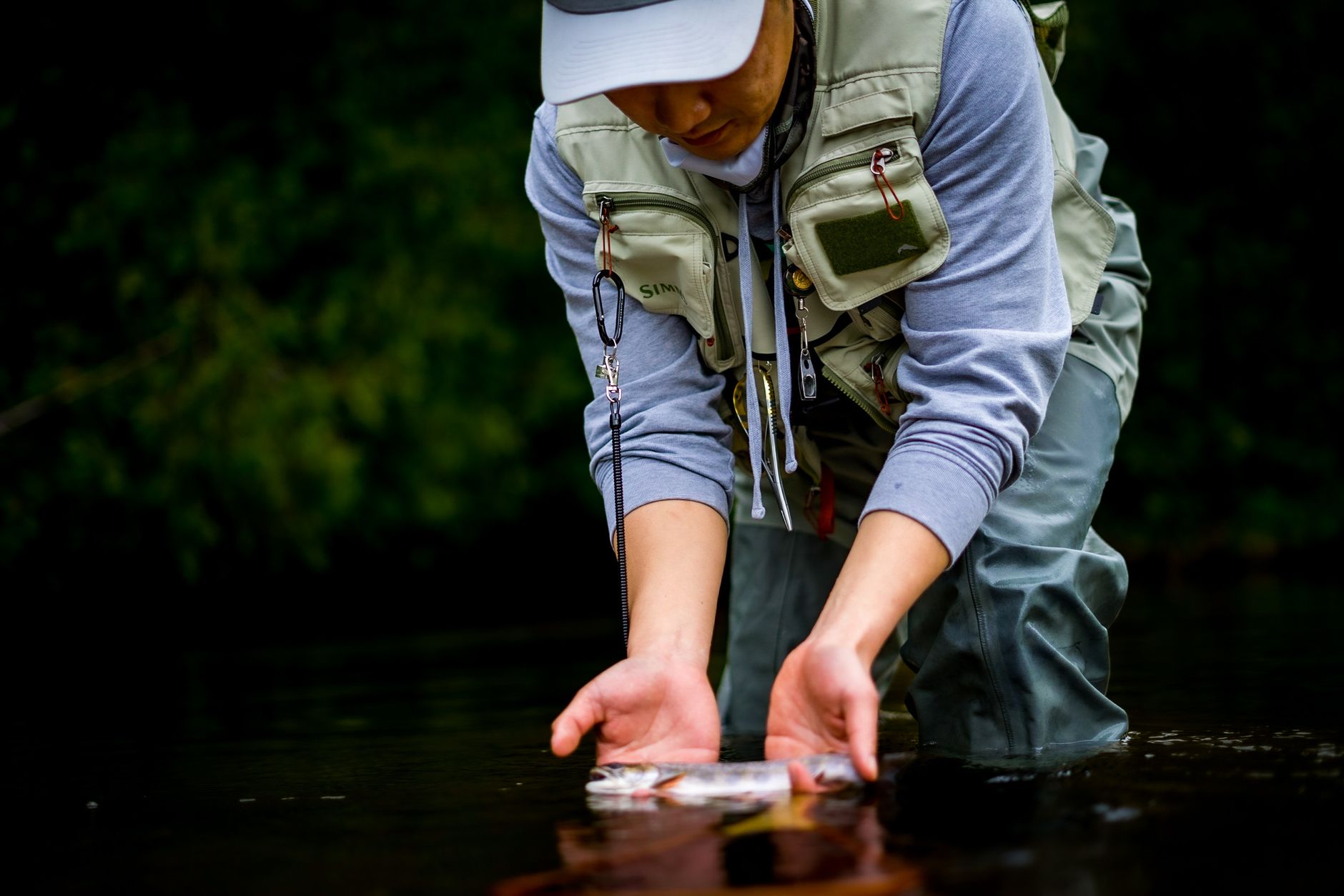
Using the right gear is pivotal. “A lightweight rod paired with a fluorocarbon leader can make a huge difference in visibility,” explained equipment expert Rachel Chen. “It allows for a natural presentation, which is key in enticing fish.” The choice of lure or bait also matters. “I often use shrimp or small baitfish imitations. They draw in predatory species like flathead and bream,” added Brock.
One of the best ways to improve sight casting skills is through practice. “You have to get out there and put in the time,” encouraged angler Mark Donovan. “Every day on the water teaches you something new.” Establishing a routine of casting practice in varied conditions can sharpen one’s skills significantly.
While the thrill of catching a fish adds to the experience, sight casting is often more about the chase. “For me, there’s nothing more exhilarating than seeing a fish explode onto my lure,” remarked Smith. The visual appeal of the process offers an adrenaline rush that’s hard to match.
Different seasons can affect fishing on estuary flats. In warmer months, fish tend to be more active, promoting thrilling encounters. “The summer brings a lot of species into the shallows looking for food,” said Chen. “But it’s a double-edged sword; with more fish comes more competition from other anglers.”

Planning ahead is essential, considering tides and weather patterns. “Tides can either make or break your fishing day,” noted Bertram. Properly timed fishing in accordance with the tides can open up access to areas rich with fish. Studying local tide charts can help anglers maximize their time on the flats.
Ultimately, the joy of sight casting on estuary flats lies in the combination of skill, patience, and a deep appreciation for nature. “Every trip is a learning experience,” concluded Brock. “There’s always something new to discover in these vibrant ecosystems.”