Casting may look effortless, but the technique behind it can significantly influence your fishing success. "After 30+ years of fishing, I believe that your casting technique can make or break your fishing success," said Adam Hawthorne, an experienced angler.
Whether you're a novice or a seasoned fisherman, mastering certain casting techniques is paramount. Minor adjustments can optimize your accuracy and distance. "It's not about strength; it's about timing and technique," said Hawthorne, recalling advice from his grandfather that has shaped his approach to fishing.
The Recreational Boating & Fishing Foundation highlights that sound casting techniques comprise about 60% of an angler’s success, emphasizing their importance in the sport. With this understanding, let’s delve into the essential casting methods critical for every angler.
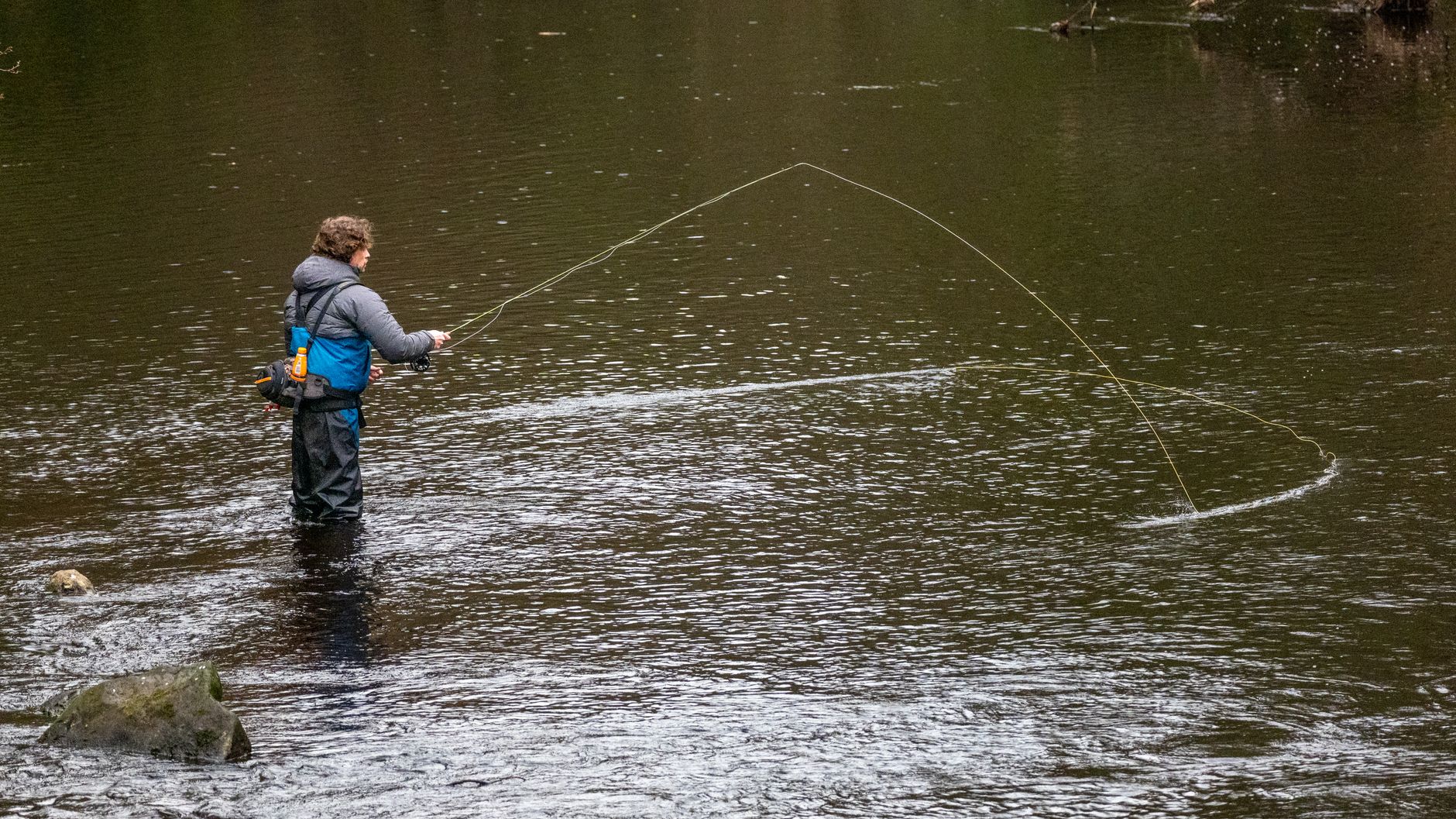
Physics Behind a Good Cast
Before exploring the various techniques, it’s essential to grasp the underlying principles of casting. At its core, casting involves transferring energy through your body, the rod, and ultimately into the line. Your energy builds during the backcast and is released during the forward motion.
“It’s all about the energy being stored and then released, like a spring,” noted Hawthorne. Knowing this allows fishermen to advance their skill set, a realization he came to after five years of fishing.
The Overhead Cast: A Fundamental Technique

The overhead cast stands as a foundational technique for anglers, suitable for about 70% of fishing scenarios. Its versatility makes it a go-to method for many. "This technique is effective in most environments and relatively easy to master," stated Hawthorne.
To successfully execute an overhead cast, follow these steps: 1. Release your line as the rod reaches vertical. 2. Propel the rod forward, stopping at the 10 o’clock position. 3. Allow the line to straighten behind you with a brief pause. 4. Return the rod back smoothly to the 2 o’clock position. 5. Start with the rod tip slightly downward and 6-10 feet of line extending.
An all-too-common error is relying too heavily on arm strength. “It’s more about wrist action and timing than power,” Hawthorne admitted, describing a transformative lesson learned on the Au Sable River when an older angler informed him about making the rod do the work.
The Side Cast: For Tight Quarters

For those tricky situations under low branches or in tight spaces, the side cast is an invaluable technique. “When fishing in smaller tributaries, using side casting effectively avoids obstacles overhead,” Hawthorne explained.
In practicing the side cast, anglers should: 1. Abruptly stop the rod to release energy. 2. Smoothly accelerate it forward. 3. Sweep the rod back horizontally. 4. Keep it parallel to the water's surface. 5. Position your body sideways to your target.
Hawthorne’s necessity to switch to side casting while fishing a narrow creek in northern Michigan illustrates its effectiveness. Earlier, his overhead casts had snagged into branches, creating frustration. Switching techniques opened up new fishing spots.
Notably, the side cast also excels in blustery conditions, keeping your line lower to counter winds effectively. “On windy days, I’ve salvaged fishing trips on Lake Erie thanks to this method,” remarked Hawthorne.
The Roll Cast: Essential for Fly Fishing
While the article initially details the introduction of roll casting, it’s worth noting that this technique is crucial for fly fishing, especially in rivers and streams. It enables smooth line delivery without the need for backcasting.
In sum, adopting these casting techniques can elevate an angler’s performance significantly. Hawthorne's extensive experience underscores the importance of understanding the mechanics behind every cast, paving the way for consistently rewarding fishing outings.
As one continues to hone these skills with practice and patience, improvements are just a cast away. The journey to becoming a proficient angler often starts and ends with mastering the art of casting.