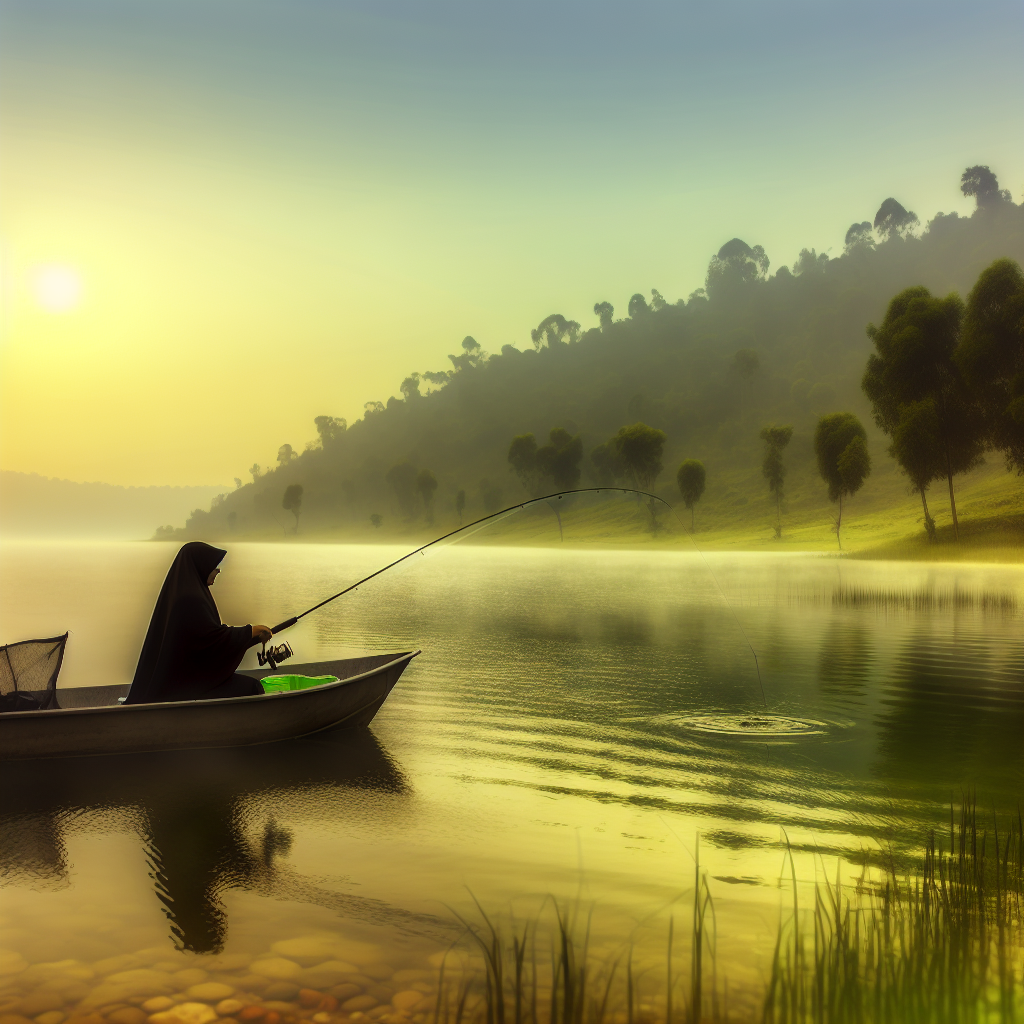
Lake fishing can turn a simple outdoor outing into a remarkable adventure. With the right know-how, whether you are casting lines at Flathead Lake in Montana or taking your children fishing on a serene Vermont reservoir, you can enhance your experience significantly. This guide provides valuable insights tailored for everyone—beginners and seasoned anglers alike—ensuring that your next fishing excursion is a rewarding one.
Understanding the unique environment of each lake is crucial. As local fishing expert Mark Johnson emphasized, "No two lakes are the same, so learning how fish behave through the seasons is essential." He further noted that factors like temperature and habitat greatly influence fish whereabouts and feeding patterns.
In Wisconsin’s Lake Winnebago, for example, seasonal shifts dictate that walleye will favor shallow areas near the Fox River mouth during spring but migrate to deeper channels in the summer months. Local guide Tim Wilson urged anglers to, "Use jigs with minnows in cooler months, then switch to crankbaits as temperatures rise" to optimize their catch.
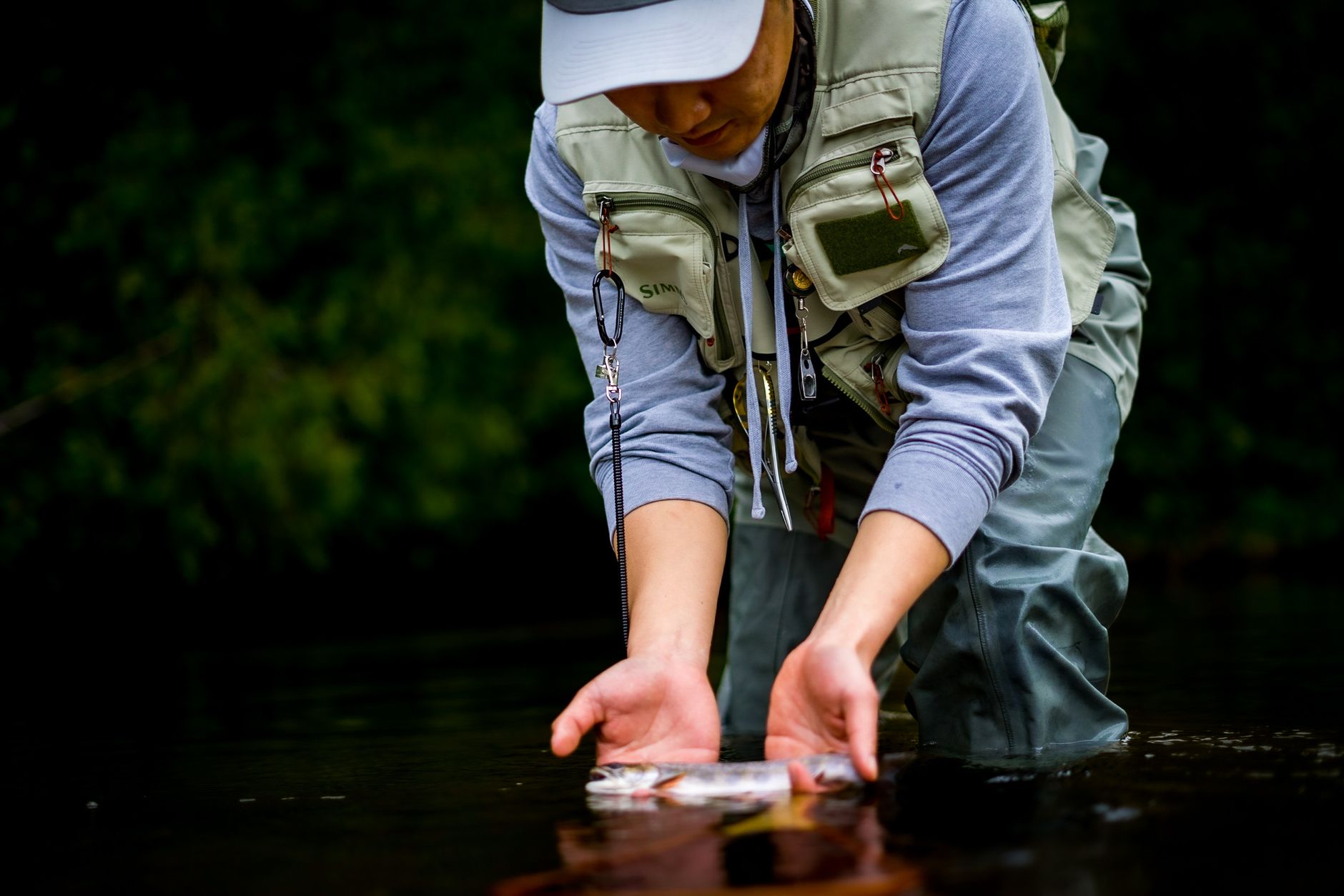
Families looking for engaging fishing spots should consider Georgia’s Lake Lanier. Known for its striped bass and catfish, it provides not only fantastic fishing opportunities but also amenities like docks and ranger programs. "It’s not just about catching; it’s about learning and bonding," said local ranger Sally Adams, highlighting the lake's educational role in fostering an appreciation for freshwater ecosystems.
When it comes to gear selection, packing appropriately can greatly affect your success on the water. A lightweight, collapsible spinning rod, such as the Ugly Stik GX2, is highly recommended. According to angler Bob Smith, "A size-2500 spinning reel with 6–10 lb monofilament line is ideal for most freshwater species." Essential equipment adjustments should also be made depending on the targeted species.
For example, in Arkansas’ Lake Ouachita, soft plastic worms are favored to attract bass, while smaller inline spinners work effectively in Colorado’s alpine trout-rich waters. Local bait shop owner Jessica Brown asserted, "Don’t underestimate your local bait shop; they are often filled with expert knowledge and local tackle options."
All anglers should consider bringing polarized sunglasses and a well-organized tackle box. Veteran fishermen at Oklahoma’s Broken Bow Lake utilize a color-coding strategy for their gear, selecting colors based on the light conditions—"Silver and blue for sunny days, chartreuse and orange when it’s cloudy," advised veteran angler Greg Lane, noting that these minor adjustments can lead to substantial catches.
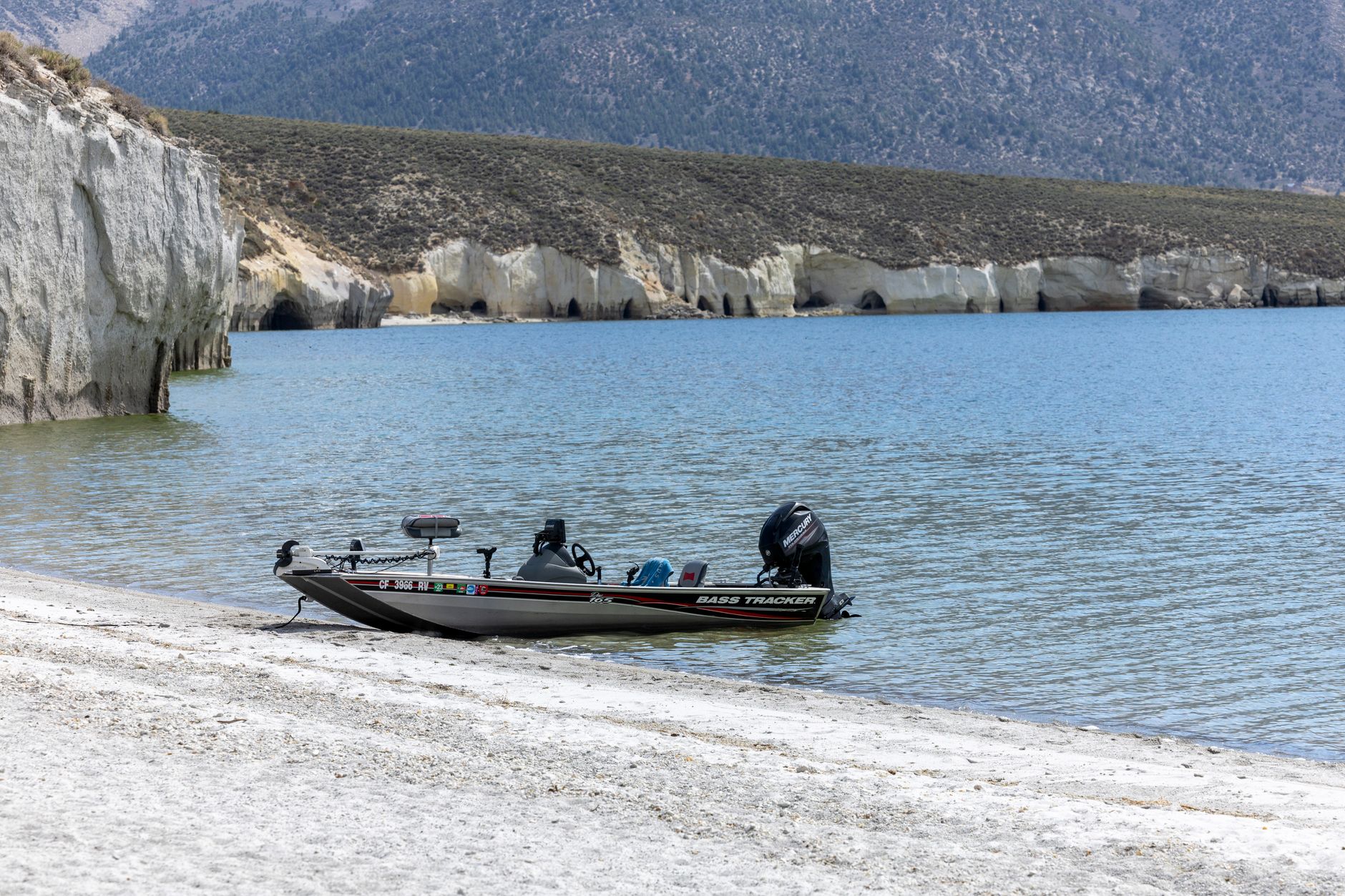
Timing your fishing trip is imperative; fishing during the so-called “magic hours” around sunrise and sunset is crucial. "These are the golden times of day," noted veteran fisherman Sam Woods from Michigan’s Upper Peninsula. Techniques like still fishing with live bait can be particularly effective for species such as bluegill, crappie, and catfish.
To adapt to varying water conditions, methods such as vertical jigging with a Swedish Pimple in deeper lakes can entice sluggish trout. Angler Pete Reynolds advised, "When fishing in warmer climates, topwater lures that mimic frogs are great for catching bass first thing in the morning."
For those looking to uncover hidden treasure in lake fishing, seeking lesser-known fishing spots can yield fantastic results. North Carolina’s Lake Julian is an example that boasts ample largemouth bass and bluegill, along with amenities making it family-friendly. As local enthusiasts like John Carter often say, "Avoid the crowds, and you increase your chances of a catch."
For solo travelers, Manzanita Lake in California’s Lassen Volcanic National Park presents an idyllic setting for fly fishing. This exclusive catch-and-release location offers ultralight gear rentals and guided sessions. "The serenity paired with stunning views is perfect for both relaxation and adventure," explained local fishing guide Linda Hastings, who regularly leads excursions there.
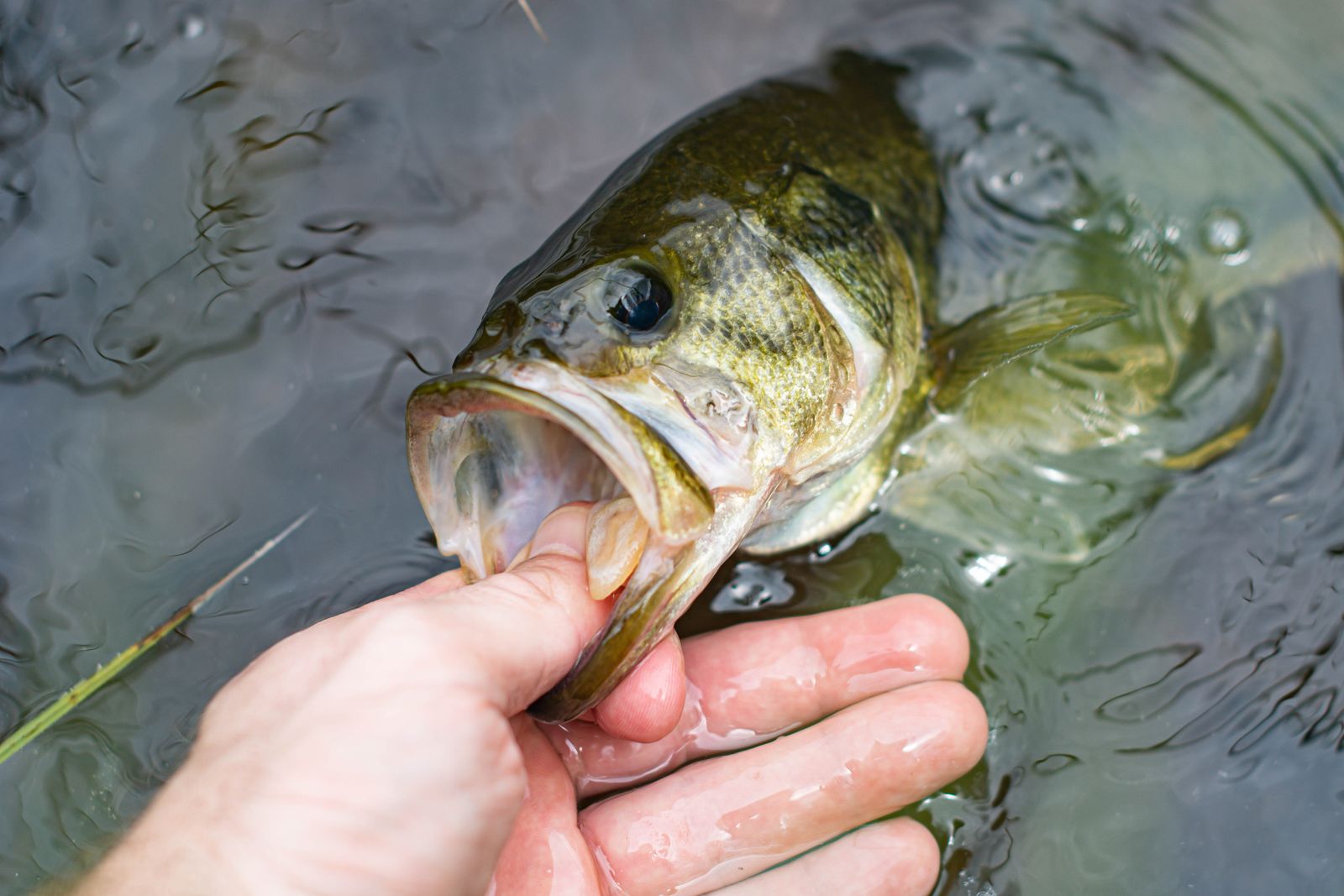
Families should prioritize visits to designated kids’ fishing lakes, which are typically stocked and accessible. Oregon’s Estacada Lake, particularly during its Free Fishing Weekend each June, makes for an excellent family outing. "These programs provide an excellent introduction to fishing for children," commented park ranger Joe Harper, emphasizing the educational aspect of these lakes for young anglers.
In conclusion, lake fishing offers a multitude of opportunities for everyone, from families to seasoned individuals. By understanding fish behavior, selecting appropriate gear, and employing effective techniques, you can significantly improve your angling experience. As you plan your next fishing adventure, keep these tips in mind to ensure a successful and enjoyable outing.