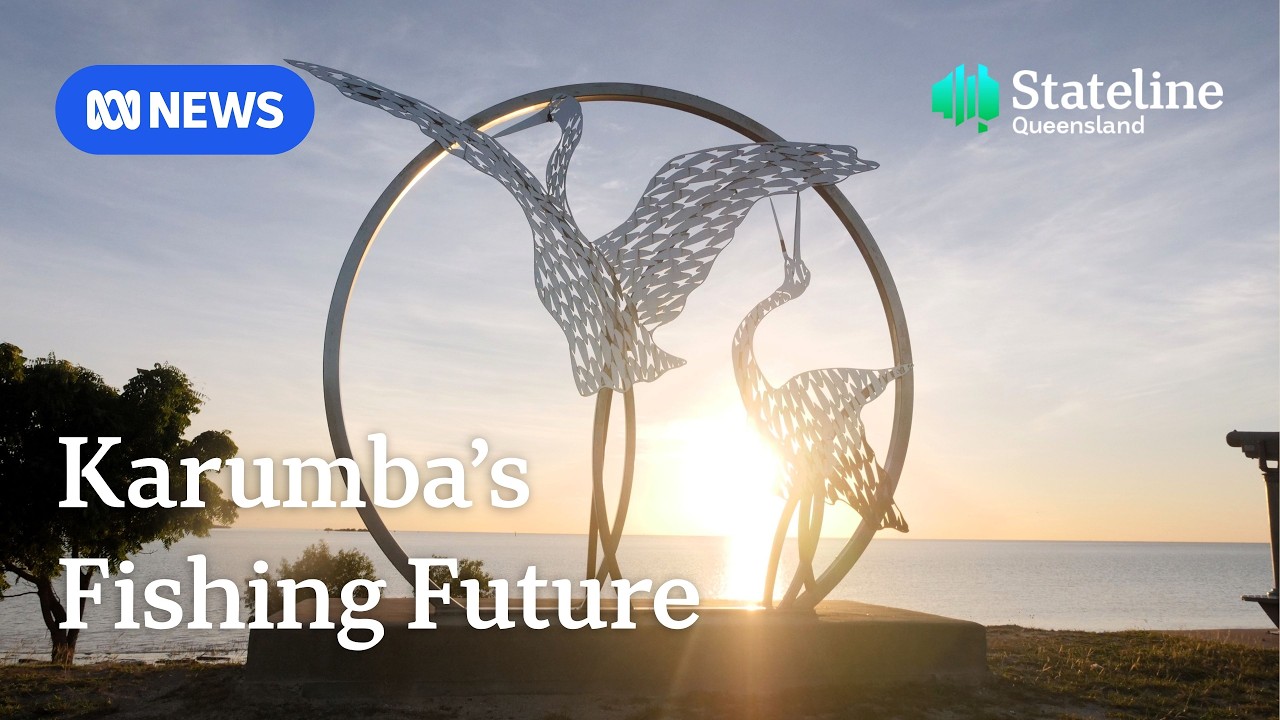
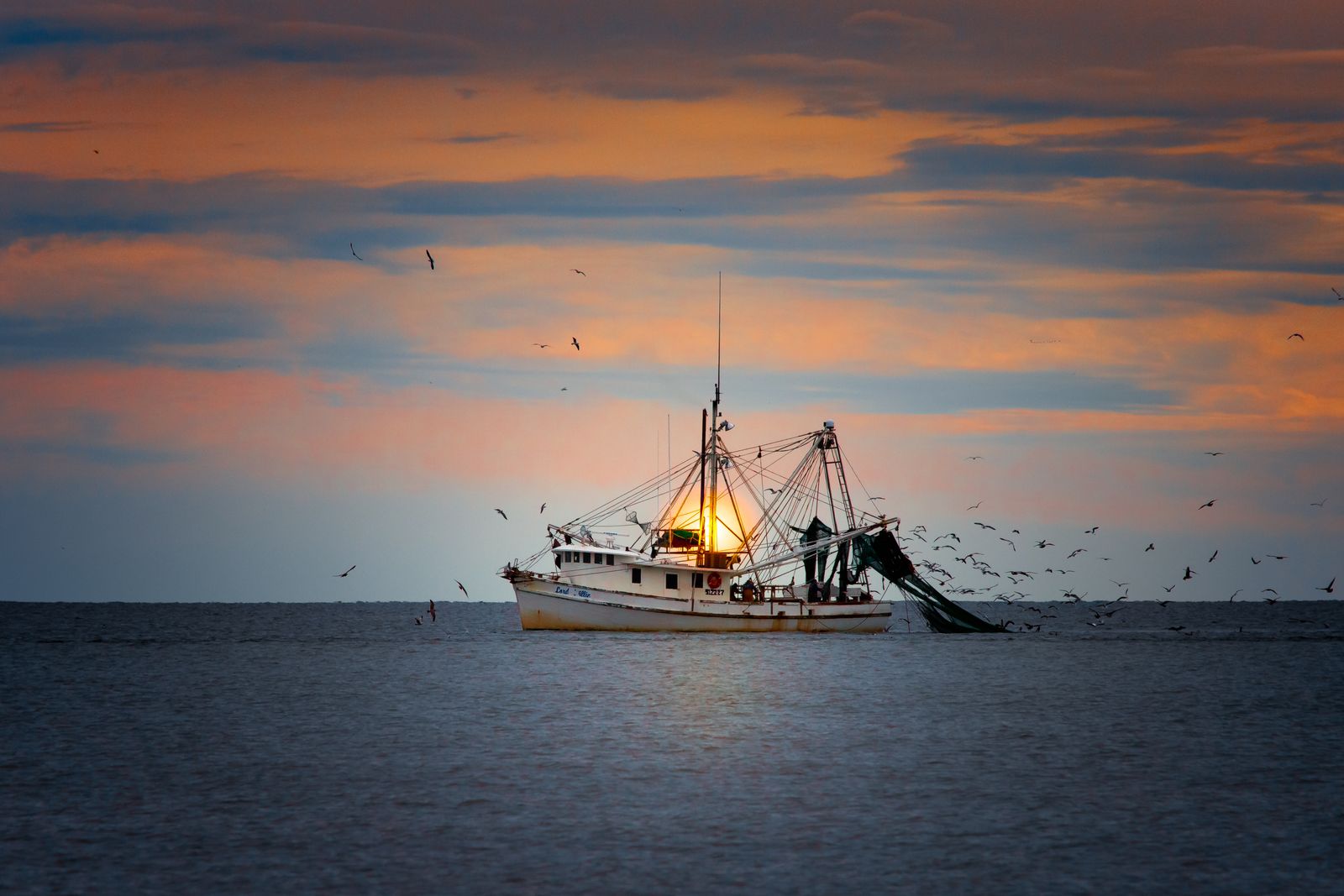
One of Queensland's last working fishing villages is staring down an uncertain future. The Gulf town of Karumba — long known for its mud crabs, gulf prawns and the kind of beachfront sunsets locals say sell themselves — has been rocked by the closure of Australia's largest wild-caught prawn operator, Raptis, with flow-on effects already being felt across the local economy.
The report, broadcast by ABC News, captures a community that has watched its commercial fishing base shrink in real time. The Raptis closure last month removed the largest single employer from the industry that defines the town.
"It's one of Queensland's last true fishing villages with a lifestyle that's second to none," one resident said. "It's incredible. Sit up on the back veranda or go down the beachfront and have a beer. Watch that sunset. Yeah. It's a great feeling."
The mood among long-term industry figures, however, is sombre.
"There's survivors that are left there now that are doing okay, doing quite well," one industry voice said. "But the spirit of the place is slowly diminishing."
The Raptis announcement landed hard.
"Dumbstruck, I guess," one local said. "But tinged with a little bit of, you know, having a bit of understanding that there were significant economic pressures on the fishing industry in general."
"Getting good product out of the Gulf is critical," she said. "It's the cornerstone of this business. If we can't source local good product, then basically we wouldn't have the cafe operating."
The town is not entirely a commercial story. Karumba's tourism economy leans heavily on charter fishing through the season, and operators fear the slow erosion of the seafood industry will eventually drag visitor numbers with it.
"I think Karumba will struggle," one charter operator said. "Tourism is a massive part here and that's what keeps this town going, but the season seems to get shorter and shorter every year."
Not every voice on the wharf agrees. Mud crab fisher Mark Gronksy, whose product is freighted to fish counters around the country, takes a more bullish view of the town's place in Australia's seafood map.
"We send them to Adelaide, Perth, Melbourne of course, Sydney, Brisbane, Darwin, doesn't matter where," he said.
"I think if anyone's got a fishing future, Karumba. We don't have the pressure from recreational fishermen."
Gronksy's optimism is the line the rest of the town is now leaning on. For a region whose identity, employment and food supply have been tied to the same boats for generations, the next twelve months will test whether Karumba is still a fishing town in anything more than name.
"All of the Gulf and Northwest, they have such vibrant communities that are under a lot of stress and pressure," one local said. "But they have a lot of heart, and I wouldn't live anywhere else."