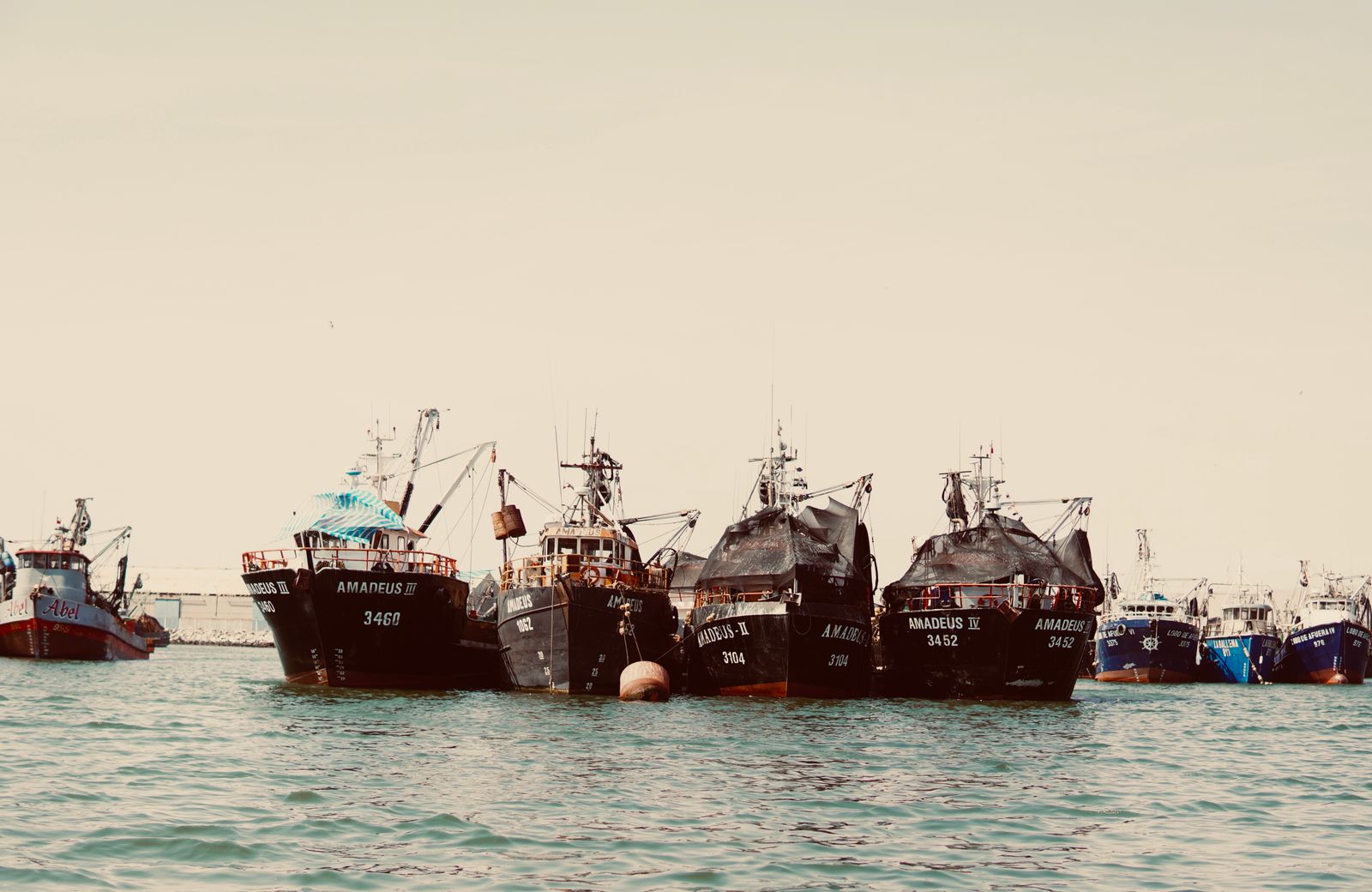
Illegal fishing is the quiet drain on the world's fisheries — a black-market harvest that, by some estimates, accounts for as much as 30 percent of the high-value catch hauled from the sea. On 5 June, as the United Nations marked its annual Day for the Fight Against Illegal, Unreported and Unregulated (IUU) fishing, the treaty built specifically to choke off that trade reached a milestone: ten years in force.
The Port State Measures Agreement (PSMA) took effect in 2016 on a simple, stubborn idea. Catching a rogue trawler at sea is slow and expensive; refusing to let it unload is cheap and final. So the treaty works at the wharf, requiring member ports to inspect foreign vessels and turn away any boat that cannot prove its catch was taken legally. A decade later, more than 100 nations have signed on — about three-quarters of the world's coastal states, Australia among them, alongside China, the European Union, the United States and South Korea.
"The PSMA is the only legally binding international treaty specifically designed to address IUU fishing, which it does by strengthening port controls and limiting the ability of illicit operators to offload their catch to the market," the Pew Charitable Trusts said in marking the anniversary. By Pew's estimate, the trade costs the global economy as much as US$23 billion every year.
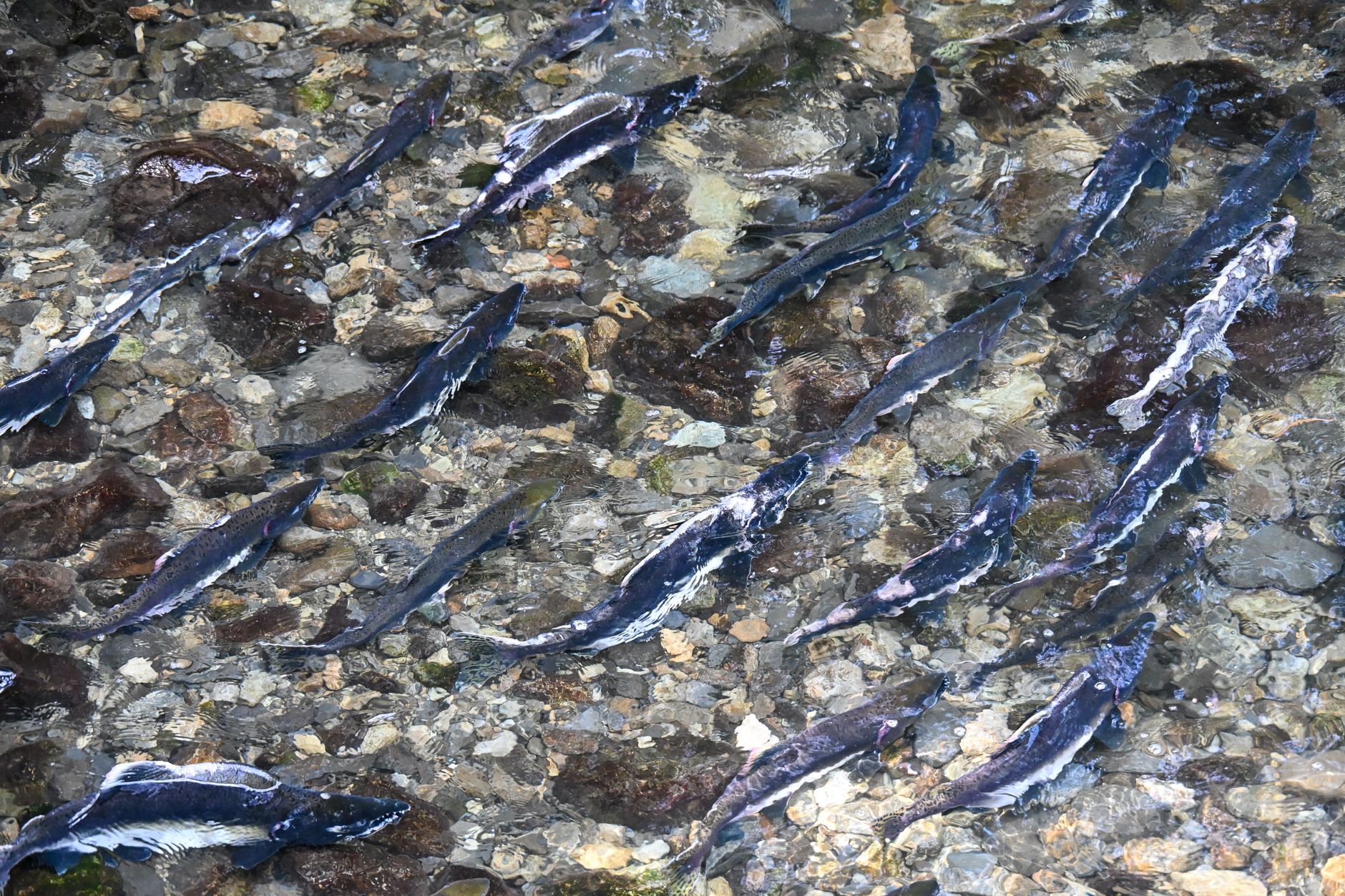
Few places feel the threat more directly than the Pacific. Meli Raicebe, a fisheries officer in Fiji's Fisheries Department and chair of the Western and Central Pacific Fisheries Commission's port state measures working group, put it plainly: "Ending and preventing IUU fishing is vital to Fiji because it directly safeguards the nation's economic sovereignty, food security and environmental resilience."
The treaty's plumbing has improved with age. Since a shared Global Information Exchange System came online in 2023, member states have lodged more than 4,300 inspection reports on upwards of 1,250 vessels, building a paper trail that follows a suspect boat from one port to the next. Thirteen of the biggest regional fisheries management organisations — including the five that manage the lucrative tuna stocks — now run their own matching port rules.
Even so, the people running it warn against complacency. FAO technical secretary Alicia Mosteiro wants the net cast wider: "Universal adoption, including by landlocked States, which are often seafood buyers, would spur further positive change." And Elsa Tudal, the French project director set to chair the next meeting of the parties in 2027, flagged the vulnerability no checkpoint can fix: "Without permanent funding, the PSMA is fragile."
For Australian anglers, the connection is close to home. Border Force crews regularly intercept foreign vessels poaching in northern waters, and shutting those crews out of the market is the other half of that fight. The bag limits and seasonal closures recreational fishers live by only hold the line if the same stocks aren't being quietly emptied beyond the horizon.