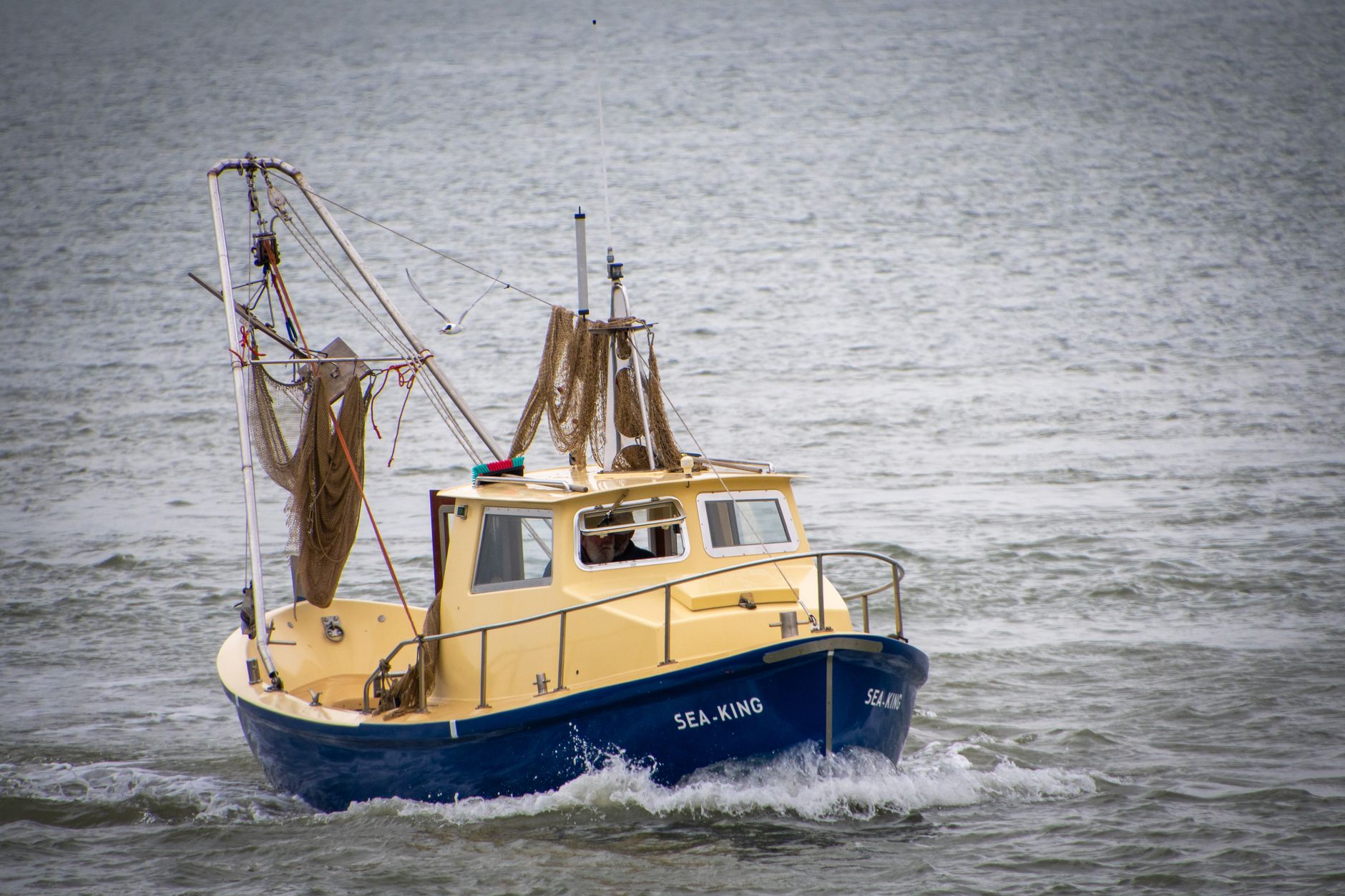
Australian Border Force has intercepted two foreign fishing vessels operating without authorisation in the country's far northern waters, in a coordinated boarding north of Cape Wessel that has reignited debate about the scale of illegal fishing pressure on the Top End.
The vessels were detected on 1 May 2026 by the Royal Australian Navy's HMAS Cape Woolamai, an Evolved Cape-class patrol boat that has spent recent weeks working maritime surveillance taskings off the NT coast under Operation Lunar. Officials say boarding parties found evidence of suspected fisheries offences on both craft, but no marine life had been hauled aboard.
"The vessels were intercepted before any marine life was caught," the Australian Border Force said in a statement confirming the operation.
For anglers and commercial fishers working the same waters, that timing matters. Foreign incursions into Australia's exclusive economic zone often centre on high-value species such as sea cucumbers, reef sharks and tropical rock lobster, all of which sit at the heart of the same northern fisheries that recreational and commercial Australian operators rely on. Catching crews before they fish prevents the immediate environmental damage but does little to ease longer-term concerns about repeated probing of the maritime border.
The two vessels are being escorted to Darwin where the Australian Fisheries Management Authority will lead the investigation. AFMA confirmed the crews would be questioned under the Fisheries Management Act 1991, with both vessels then disposed of in line with Australian environmental and biosecurity guidelines, a process typically involving destruction at port.
The interdiction is the latest in a steady run of detections this year. In a separate incident only days earlier, a suspected illegal foreign fishing vessel was apprehended in the Torres Strait off the northern tip of Queensland, while commercial fishers in the Cape York and Arafura Sea region have publicly raised concerns about the rate at which small wooden vessels and sampans continue to enter Australian waters.
For recreational anglers cruising the remote bays and gulfs of Arnhem Land and the Tiwi Islands, the practical message from authorities is unchanged.
"Members of the public, including commercial fishers and coastal communities, are encouraged to report suspicious maritime activity," the Australian Border Force said.
Reports go through Border Watch, ABF's anonymous tip-off line, and feed directly into the surveillance picture that drives operations such as Operation Lunar. Given that the patrol boats covering the area are working a coastline longer than the entire eastern seaboard of the United States, the role of fishers and traditional owners in flagging unfamiliar craft is repeatedly described by officers as pivotal.
The HMAS Cape Woolamai is one of eight Evolved Cape-class boats built by Austal in Western Australia and delivered to the Royal Australian Navy from 2022 to bolster northern patrol coverage. Capable of extended deployments and crewed for boarding operations, the class has steadily replaced ageing Armidale-class patrol vessels in the role.
No charges have yet been laid in connection with the latest interdiction, and AFMA has indicated it will release further details once the vessels and crews are processed in Darwin.