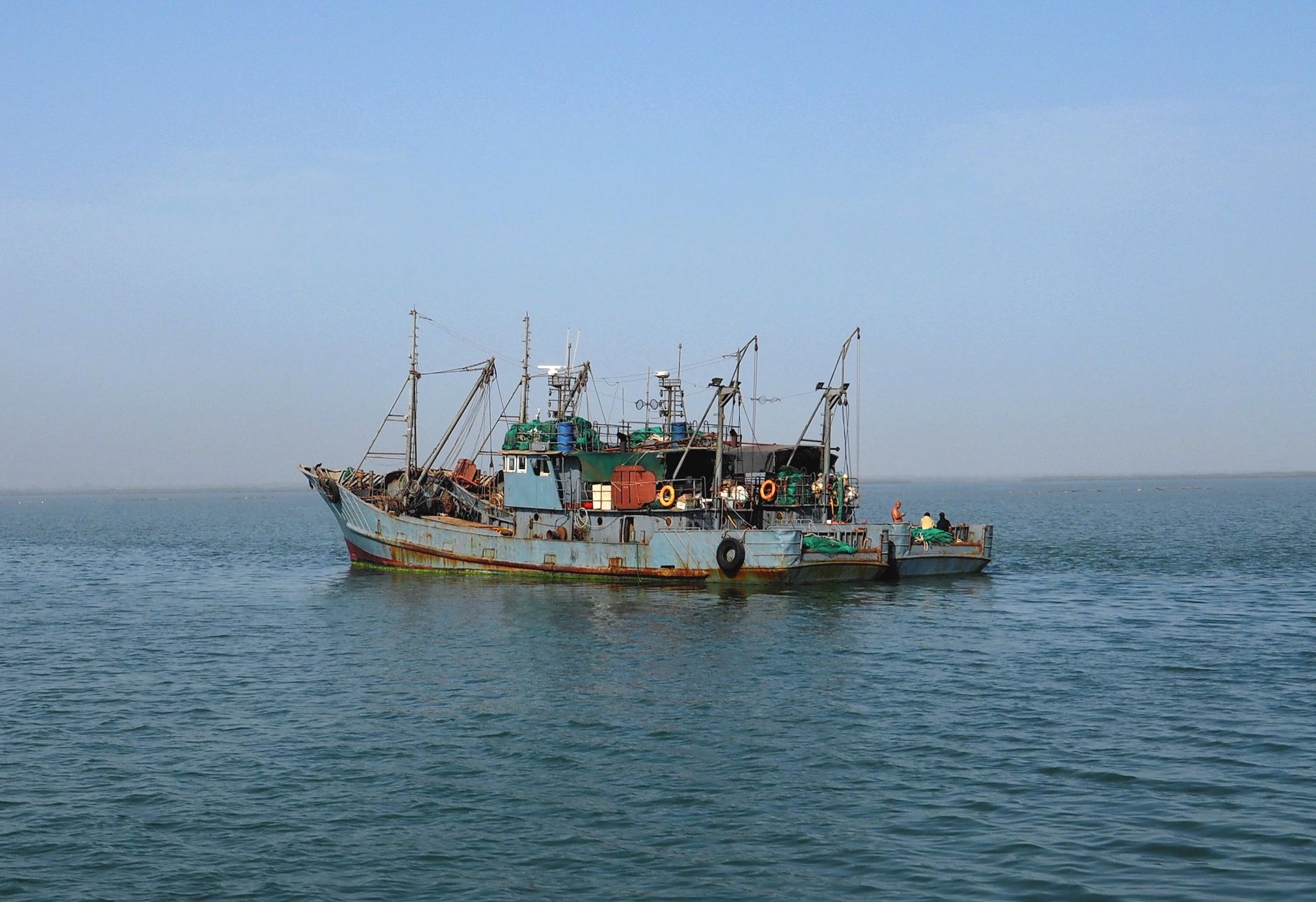
Two unauthorised foreign fishing vessels have been pulled out of Australian waters north of Cape Wessel after being detected by the Royal Australian Navy and boarded by the Australian Border Force on 1 May 2026, in the latest enforcement action under the long-running Operation Lunar.
HMAS Cape Woolamai, one of the Navy's newer Evolved Cape-class patrol boats, made the initial sighting before passing the vessels to Border Force boarding teams. Officials say evidence of suspected fisheries offences was found on both craft, although in this case the timing of the interception meant no marine life had yet been taken.
"The vessels were intercepted before any marine life was caught," the Australian Border Force said.
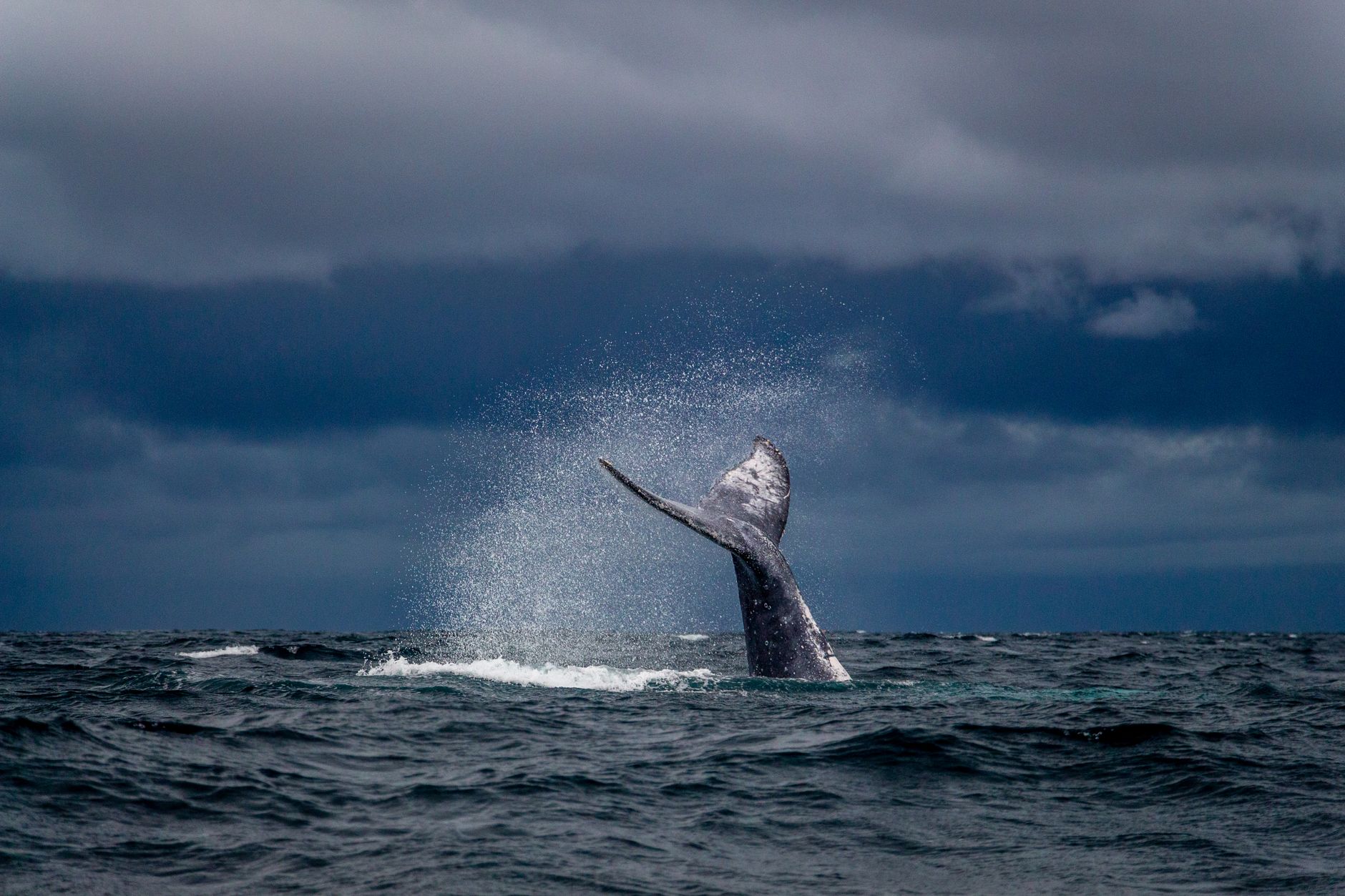
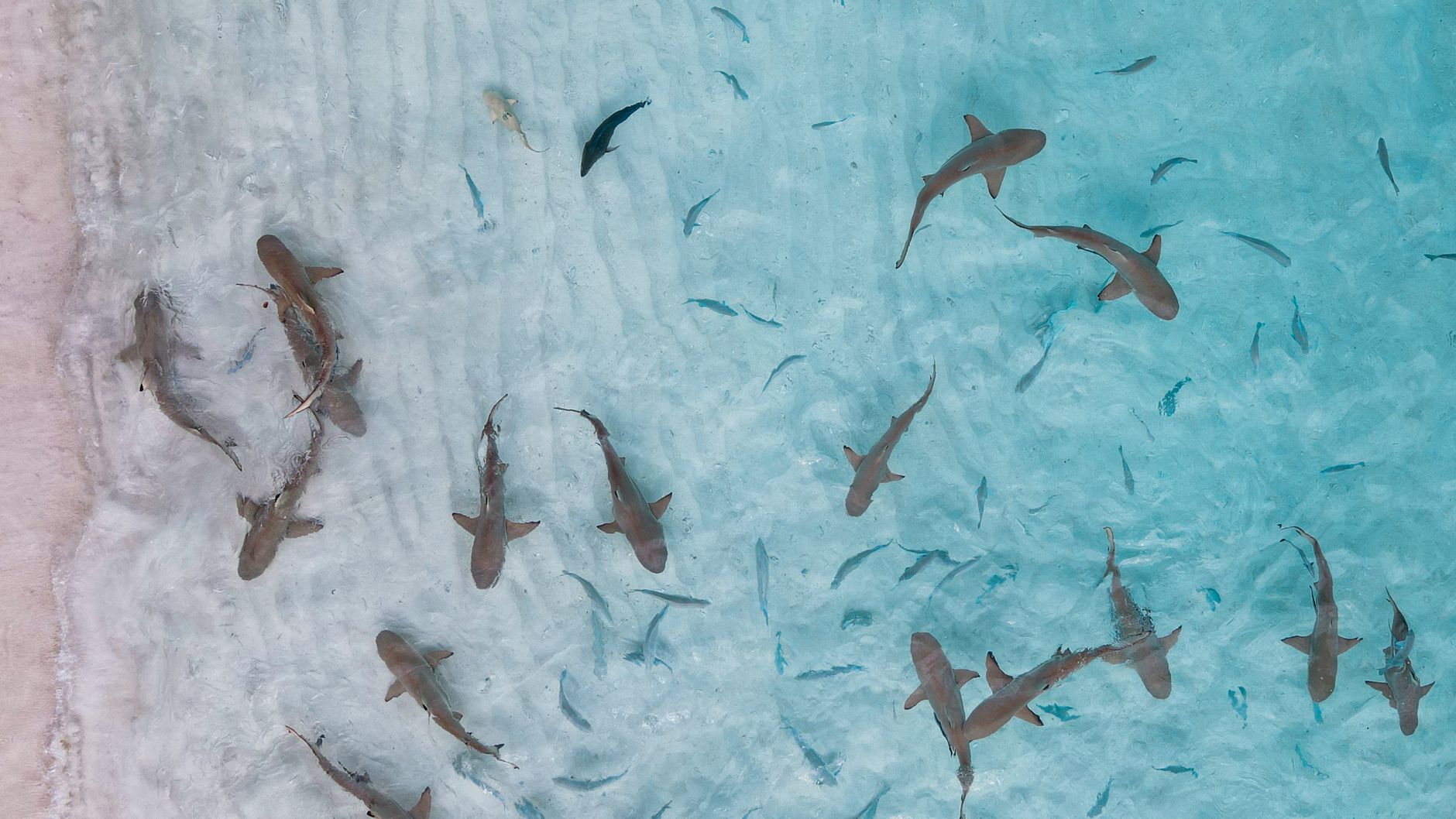
That is significant for fishers working the same northern waters. Illegal incursions into Australia's exclusive economic zone repeatedly target species such as sea cucumber, tropical rock lobster and reef shark, the same stocks that feed both Australian commercial operators and a growing recreational charter sector running out of Darwin and the Tiwi Islands.
The two vessels and their crews are being escorted south to Darwin, where the Australian Fisheries Management Authority will run the formal investigation under the Fisheries Management Act 1991. Once that process is complete, AFMA expects the vessels to be disposed of in line with the agency's standard environmental and biosecurity protocols.
This interdiction does not stand alone. Just days before, a suspected illegal foreign fishing vessel was apprehended in the Torres Strait off the far northern tip of Queensland, and commercial fishers across Arnhem Land and the Cape York region have continued to flag the steady appearance of small wooden vessels operating well inside Australian waters.
For anglers running the remote bays and inlets of the Top End, the public-facing message from authorities is straightforward and largely unchanged from previous campaigns.
"Members of the public, including commercial fishers and coastal communities, are encouraged to report suspicious maritime activity," the Australian Border Force said.
Reports run through the Border Watch tip-off line and join the surveillance feed that ultimately steers patrol assets such as the HMAS Cape Woolamai. With the area of operations stretching from the Kimberley across the Timor and Arafura Seas through to Cape York, fishers and Indigenous rangers remain a critical part of the early-warning network.
The Evolved Cape-class boats themselves were designed for exactly this kind of long-leg surveillance and boarding role. Built by Austal in Western Australia and progressively delivered to the Royal Australian Navy from 2022, they have allowed the Navy to free up larger frigates while extending coverage of the northern approaches.
No charges have yet been laid against the crews of either vessel from the latest operation, with AFMA indicating it will share further information once both boats are alongside in Darwin and formal interviews are complete.