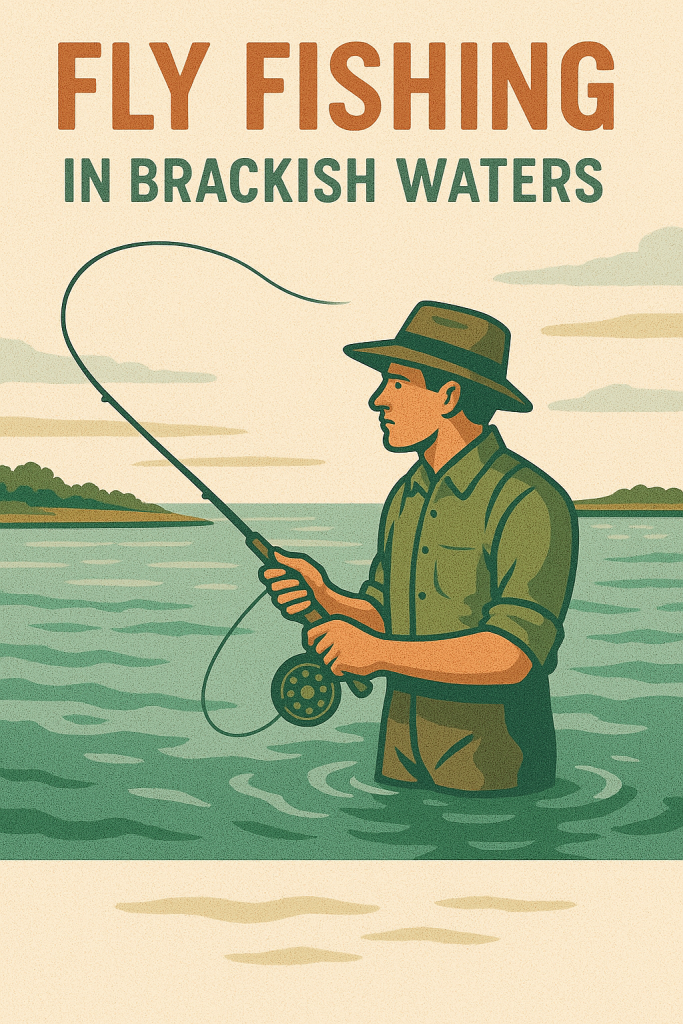
Fly fishing, a pursuit typically tied to pristine freshwater streams, is making waves in the less conventional terrain of brackish waters. Brackish environments blend freshwater and saltwater, opening new avenues for anglers looking to expand their fishing repertoire. These unique ecosystems are abundant in estuaries, tidal rivers, and salt marshes, offering a variety of fish species that appeal to both novice and seasoned anglers alike.
"Understanding the environmental conditions, fish behavior, and specialized techniques in brackish waters is essential for anglers," said local fishing expert Ted Collins. The success of fishing in these mixed environments hinges on a solid grasp of these elements. As anglers delve into the intricacies of fly fishing in brackish waters, they can unlock rewarding experiences by adapting both their techniques and strategies to the specific conditions at hand.
Navigating Brackish Ecosystems and Target Species
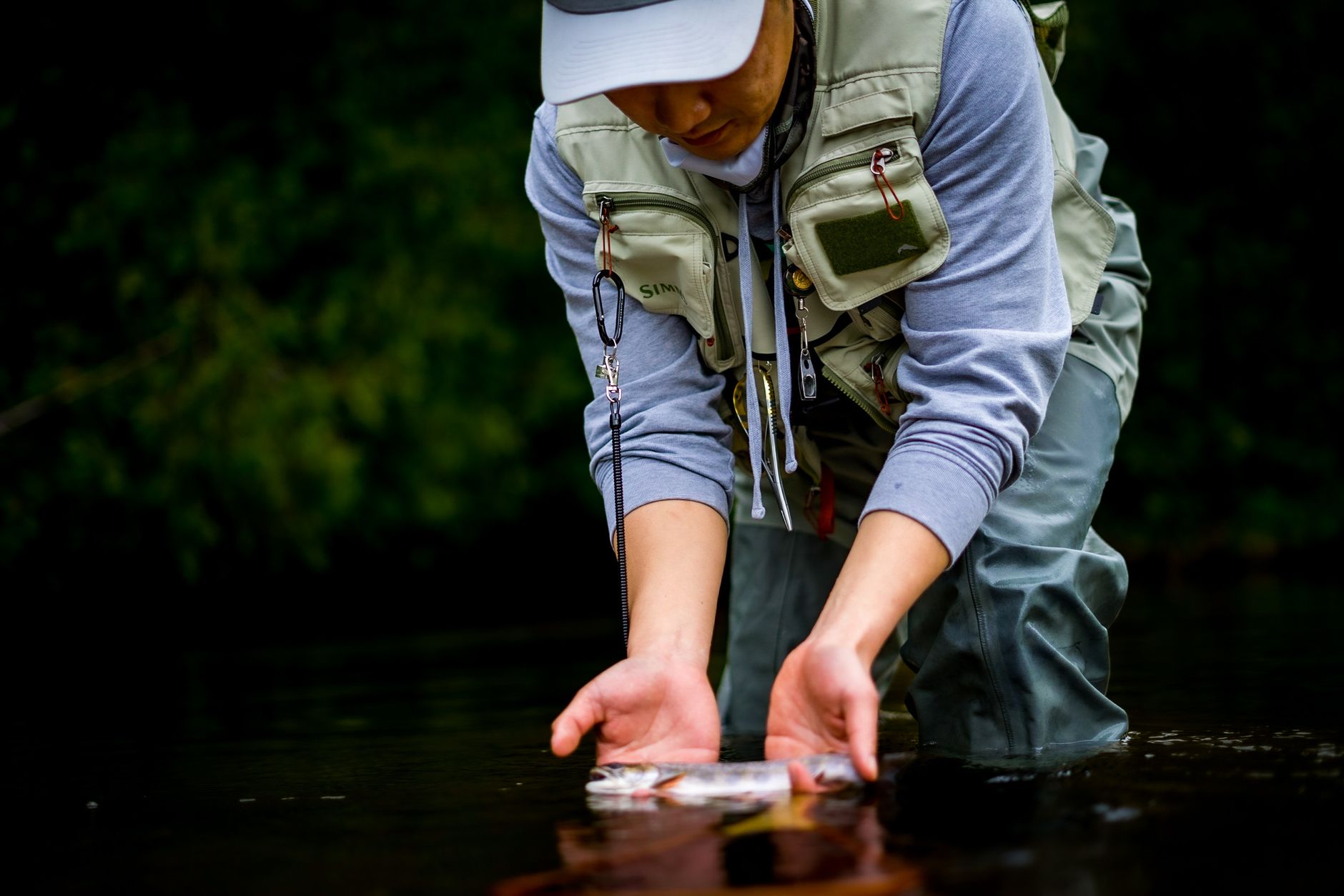
Brackish waters are defined by their fluctuating salinity, influenced by factors such as freshwater inflows and tidal flows. This creates a distinctive habitat where marine and freshwater species cohabitate. To have a fruitful fishing experience, it is vital for anglers to recognize the prevalent species inhabiting these waters. The targeted fish range from striped bass and redfish to tarpon and cobia.
For instance, redfish, or red drum, are particularly abundant along the estuaries of the South Carolina coast. "These fighters are known for their aggressive feeding behavior, often lurking near oyster beds and grass flats," noted Collins. Understanding their seasonal patterns, especially their spawning habits during late summer and early fall, can significantly enhance an angler’s chances for success. Strategic planning around these peak periods can lead to fulfilling fishing trips.
Selecting the Proper Gear
Equipping oneself with the right tools is crucial when fly fishing in brackish waters. The diverse size and strength of resident fish necessitate a versatile fly rod. Generally, a 9-foot rod within the 7 to 9 weight range is recommended for optimal performance across various species found in these areas.
Additionally, anglers must be wary of the corrosive nature present in mixed-salinity environments. Saltwater-tolerant reels featuring robust drag systems are advisable to withstand the swift and powerful runs characteristic of these fish. Choosing the appropriate fly line, such as intermediate sinking lines, also plays a pivotal role in success, as these lines allow anglers to target fish at various depths amid changing tides.
| Equipment | Recommendation | | --- | --- | | Rod Length | 9 feet | | Rod Weight | 7-9 wt | | Reel | Saltwater-tolerant with strong drag | | Fly Line Type | Intermediate sinking |
Fly Selection and Presentation Techniques
The art of fly selection and presentation in brackish waters is dependent on two main factors: the local food sources and the behavior of the fish species. Mimicking the movement and appearance of prevalent prey—ranging from shrimp and crabs to small baitfish—can significantly improve the chances of a strike. Utilizing flies such as Clouser minnows, deceivers, and crab patterns can help cater to the ongoing feeding habits of resident fish.
"Casting accuracy becomes increasingly important in the variable clarity of brackish waters," stated Collins. Precision in placing the fly within the fish’s strike zone is essential. Practicing various casting techniques that minimize water disturbance, including roll casts or side-arm casts, can lead to better results. Furthermore, recognizing the impact of tide cycles on fish behavior helps anglers present their flies more effectively during active feeding times.
Factors Influencing Tides and Weather Conditions
The tidal influence on brackish waters can significantly shape the fishing experience, presenting unique challenges yet vast opportunities for fly fishing enthusiasts. Tidal movements often dictate fish positions, water clarity, and access to otherwise unreachable fishing areas. For example, incoming tides may drive fish into shallow flats, making them more accessible to skilled anglers, while outgoing tides can establish channels where fish congregate, waiting for prey swept away by the current.
The Chesapeake Bay serves as a pertinent example of this phenomenon, where shifting tides can transform the fishing landscape multiple times daily. "Being responsive to these fluctuations allows fly anglers to adapt and capitalize on changing conditions effectively," Collins emphasized.
As the exploration of brackish waters continues, anglers are presented with a unique opportunity to enhance their skills in varied and exciting environments. Mastery of these techniques not only enriches one’s experience but also deepens the appreciation of these complex ecosystems, fostering sustainable fishing practices and knowledge for future generations.