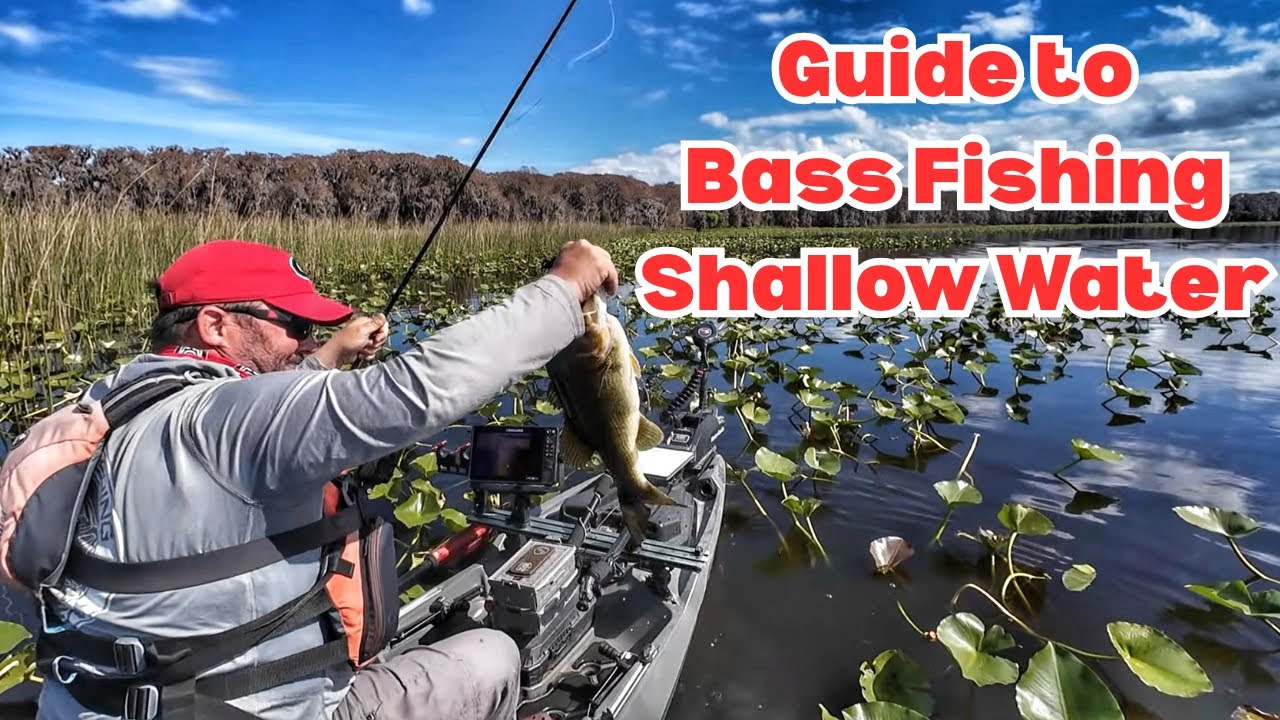
Long-running American bass channel Flukemaster has put out a clean back-to-basics tutorial on how to fish skinny water without spooking everything that swims in it - and the host's central argument is that shallow-water fishing is mostly a head game.
"I know fishing shallow water looks easy, and you can see everything, but it's actually where beginners struggle the most," he says. "The fish are close, the water's clear, and every little mistake matters."
In shallow water, he explains, fish have nowhere to retreat to. They cannot drop down into deeper water out of trouble, so they rely on sight, vibration and shadow to read threats. "You're part of the environment, and the fish notice you," he says. That framing drives the rest of the video.
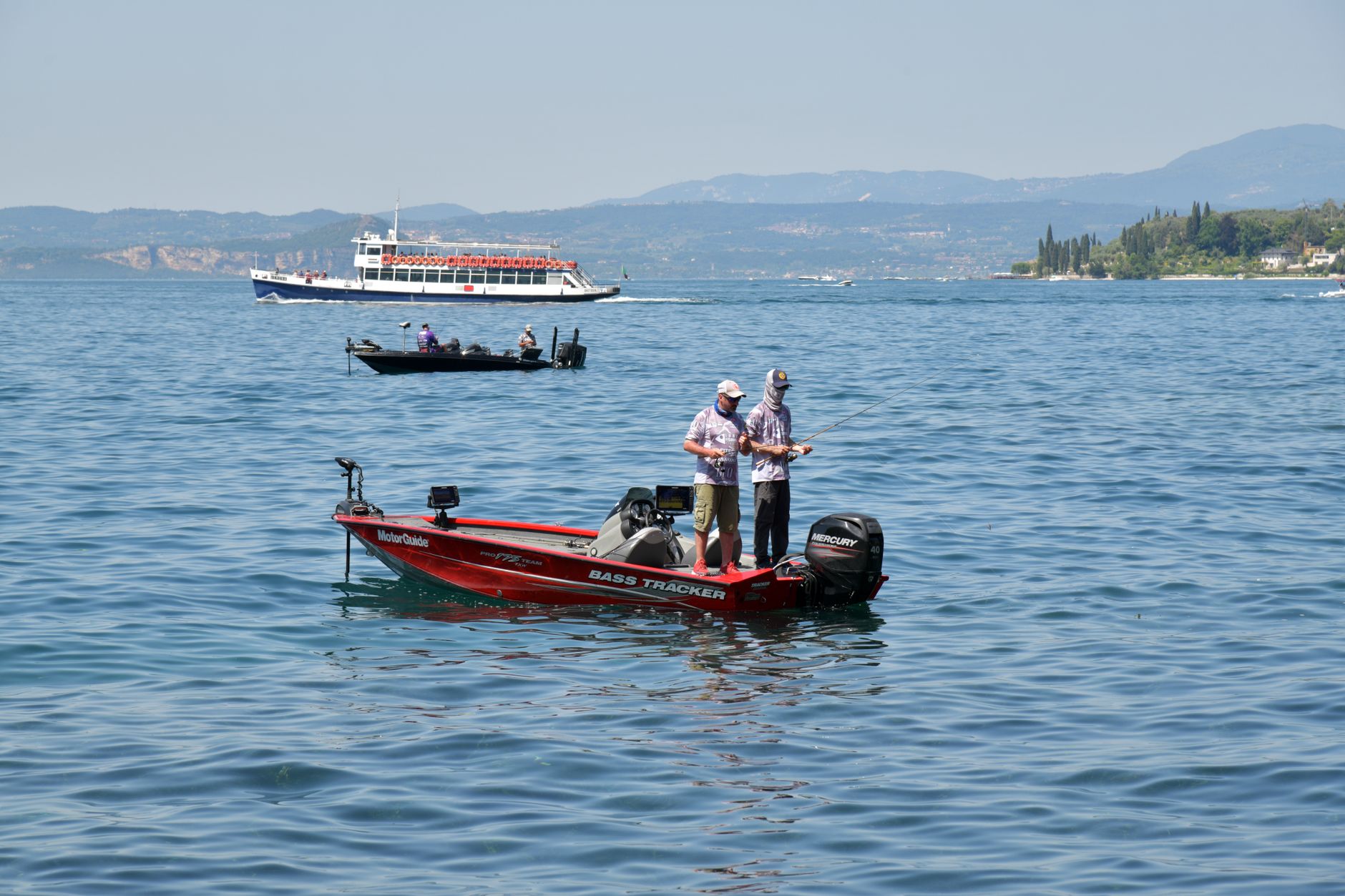
Noise is the first and biggest sin. He calls out paddles thumping kayak hulls, gear dropped on the deck, sudden stand-ups, splashy casts and even fish-finder transducers. "If you have any fish finders and stuff like that, be sure you turn them off, or at least turn the sonar off so it's not making that clicking noise." His preferred shallow-water move is to drift instead of bumping a trolling motor on and off.
The second rule is presentation. "Where you land your cast is more important than the bait you're using," he says. The cast should be sidearm and quiet, landing well past the target so the bait can be drawn through the strike zone rather than parachuted on top of fish. "Throwing right on top of that fish is a guaranteed way to watch them swim off. Think near the fish, but not at the fish."
Third is reading the water. Shallow bass position themselves where they do not have to work, he says - behind rocks, behind logs, on grass angles, on isolated patches of cover and at points sticking out of broader weed beds. "If the water is calm behind something like a rock or a log or anything like that, the fish probably lives right there." He singles out a bed of buggy whips around his own boat and explains that, on a windy afternoon, the calm, slightly warmer water tucked in behind them produced his bites.
Bait selection, by his telling, is almost a footnote. A small spinnerbait to cover ground, a Ned rig in clean water, or a Senko on a slow natural fall. "You don't really need loud or flashy baits in shallow water," he says. "Natural fall, less splash, subtle, really beats aggressive in shallow water."
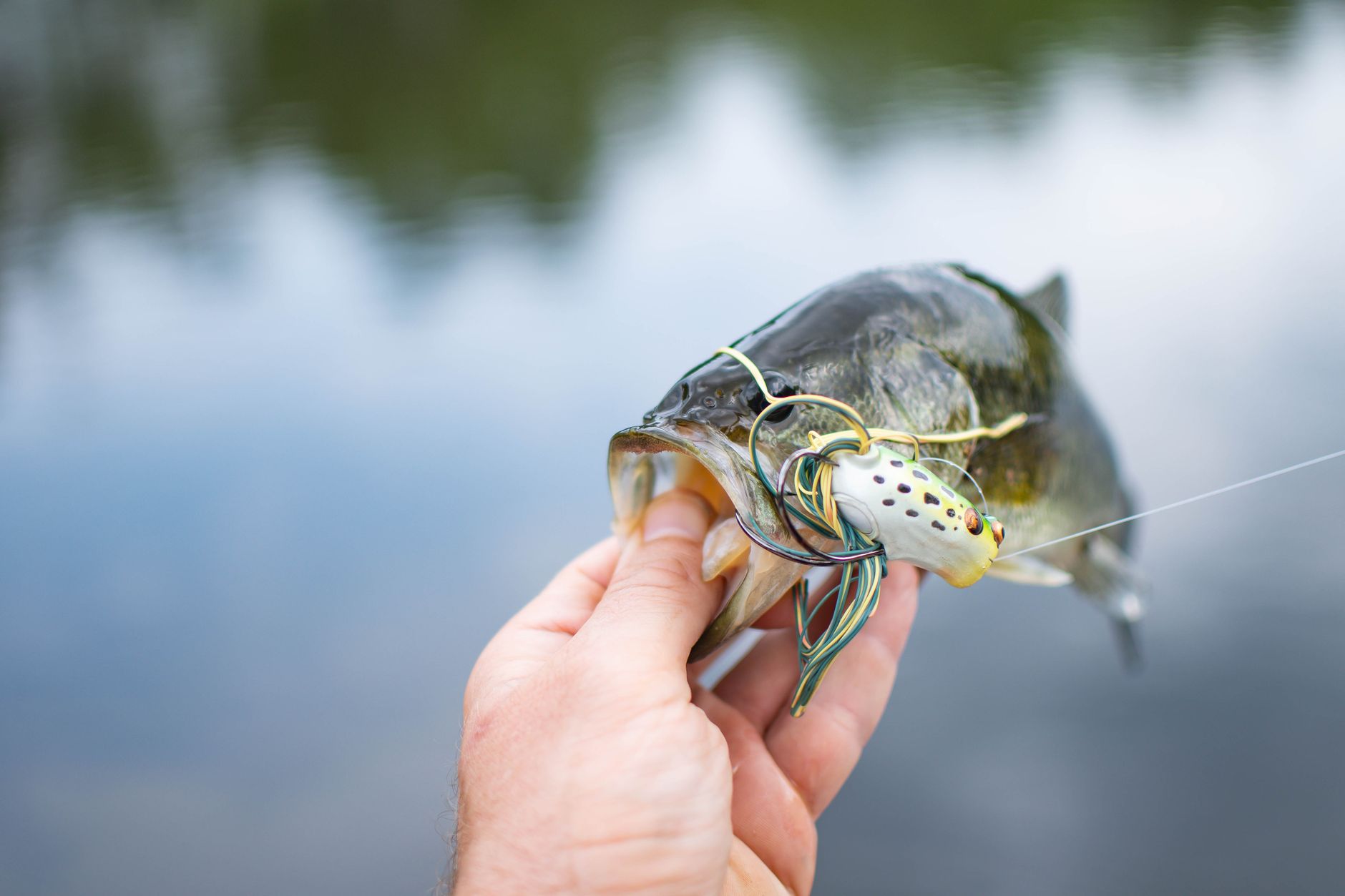
His closing point may be the one most anglers forget on the water. "Most beginners leave good shallow water too fast," he says. "Once you get bit, or once a fish starts to chase, or you see a boil, slow way down and pick that area apart. Try to think to yourself, why was that fish right there?" Bass tend to school loosely in shallow cover, he explains - close enough to share a feeding zone but not packed tight - so multiple casts on multiple angles into the same cover often pull more than one fish out of a single high-percentage spot. After a missed strike, the right move is to settle the area down rather than fire straight back in.
His verdict is unambiguous. "Shallow water fishing isn't about hiding. It's about being intentional, slowing down, staying quiet, and fishing through the water instead of rushing past it."