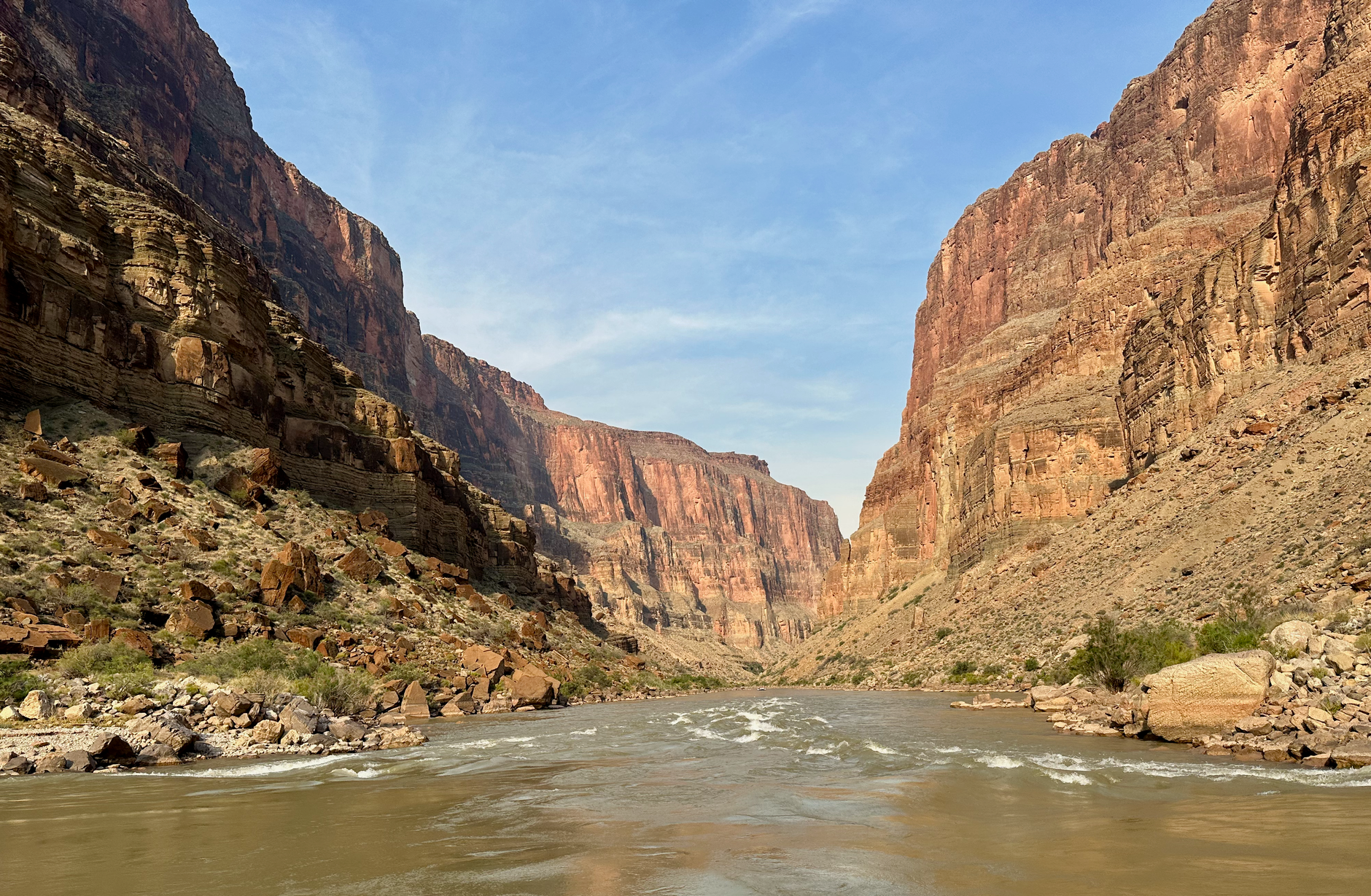
The federal government will not release cool water from Lake Powell this summer to hold back an invasive smallmouth bass population in the Grand Canyon - a decision that leaves both a threatened native fish and one of the West's best-known trout fisheries exposed.
The programme, called cool mix, began in 2024. It bypasses Glen Canyon Dam's power plant and draws colder water from deep in the reservoir to chill the Colorado River below, keeping temperatures under the roughly 15.5 degrees Celsius - about 60 Fahrenheit - at which smallmouth bass begin to spawn. It worked in 2024 and 2025. It also cost more than $20 million in replacement power, according to the Western Area Power Administration, which estimated this year's version could run to $40 million with the reservoir this low.
Wayne Pullan, Reclamation's Upper Colorado Basin regional director, delivered the news in an August 6 email to the Glen Canyon Adaptive Management Work Group.
"I am writing to inform you that Cool Mix flows will not be implemented this year to control nonnative fish," Pullan wrote. "Careful consideration of management alternatives was taken across all authorized purposes and impacts were evaluated. Due to significant hydropower generation concerns under already strained system conditions, other alternatives were reviewed and ultimately chosen to be implemented this year."
A separate email obtained by the Associated Press put it more bluntly: the water would not move "due to significant hydropower generation concerns under already strained system conditions."
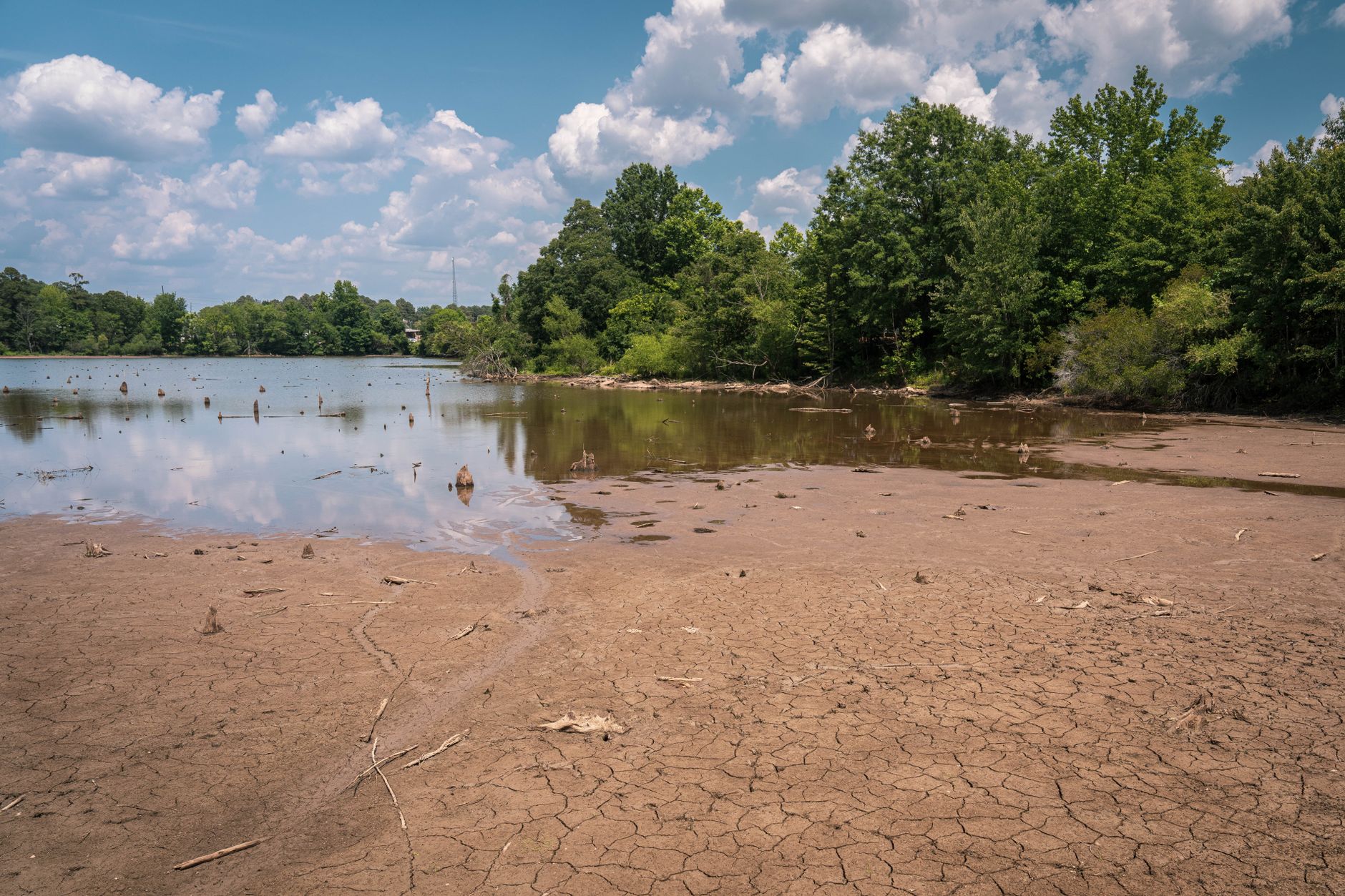
Lake Powell is holding less than a quarter of its capacity after the worst snowpack on record in the Colorado River Basin, and was projected to fall below the level at which power generation stops entirely. Water is being released from Flaming Gorge Reservoir upstream to prop it up.
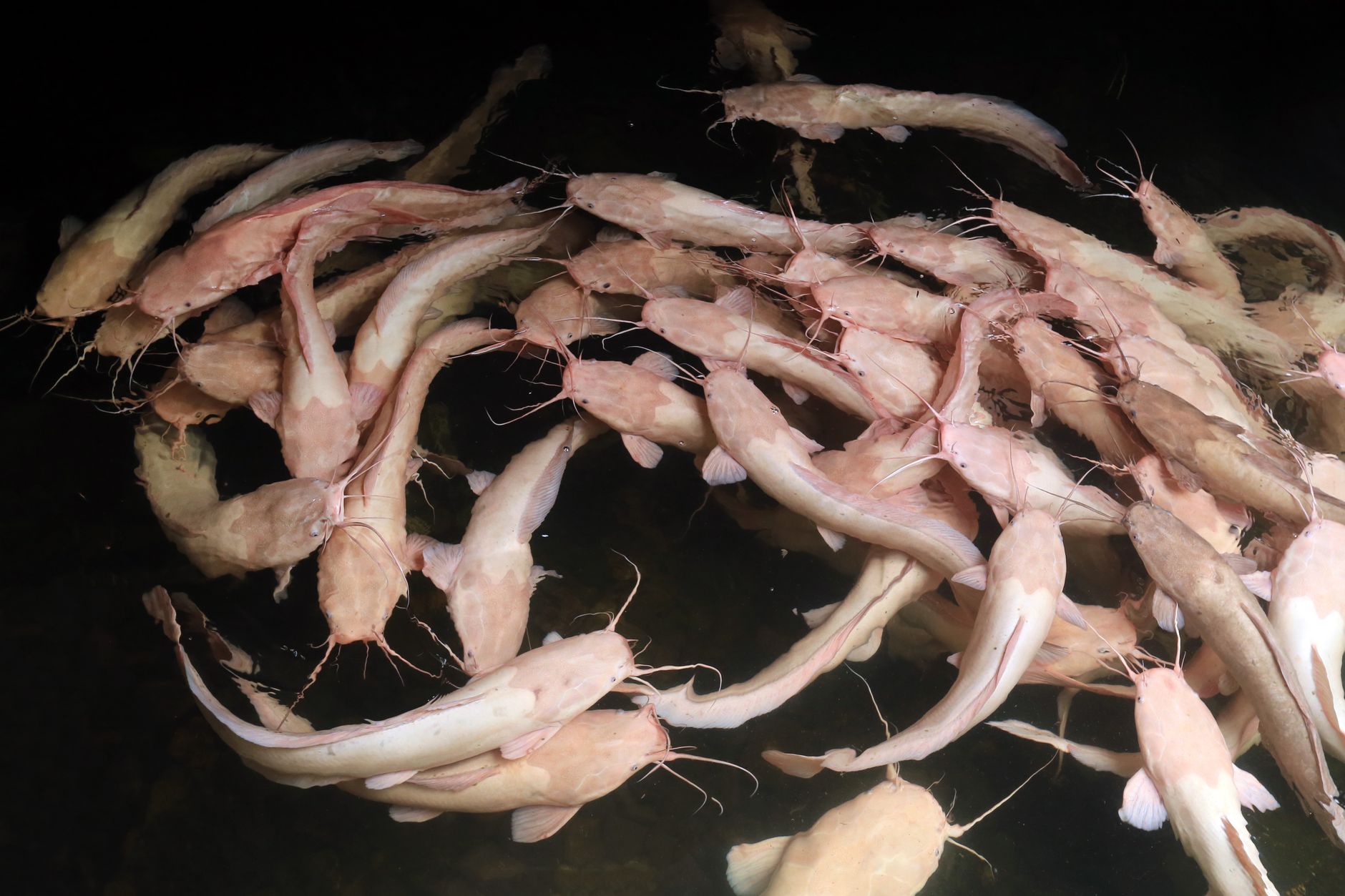
The bass problem is a product of the same shortage. Smallmouth were stocked in Lake Powell in the 1980s for sport fishing and live near the warm surface. As the reservoir has dropped, that warm layer has sunk to the level of the power intakes - so both the warm water and the bass now get pulled through the turbines and out into the river, where they began spawning above Lees Ferry in 2022. Downstream sit humpback chub, a native species reclassified from endangered to threatened in 2021 after a recovery in the canyon. Bass eat young chub.
The river below the dam is currently around 69 degrees Fahrenheit. Reclamation considers cool releases when the daily average exceeds about 60 F for three consecutive days; it has been past that mark for more than a month. Scientists with the Glen Canyon Adaptive Management Program have warned that skipping the programme in a year this dry could push river temperatures into the upper 70s - conditions the agency's own advisers describe as ideal for bass reproduction.
Conservationists were not shocked, but they are not accepting it either.
"We've proven that the cool mix flows are the most effective way to mitigate the smallmouth bass invasion in the Grand Canyon," said Matt Rice, Southwest director for American Rivers. "Hopefully it's not a death sentence to humpback chub."
Rice, who sits on Reclamation's adaptive management group, argues the programme's track record should make it a template rather than a casualty. "We can't ignore these values that are important to everybody," he said. He intends to push for reinstatement next year under the Grand Canyon Protection Act, the 1992 law requiring the dam be operated to minimise harm to the national park. "Hopefully we can hold the line and we can get a little more water and continue to make the case that innovative approaches like cool mix flows are important as we manage a river for 40 million people."
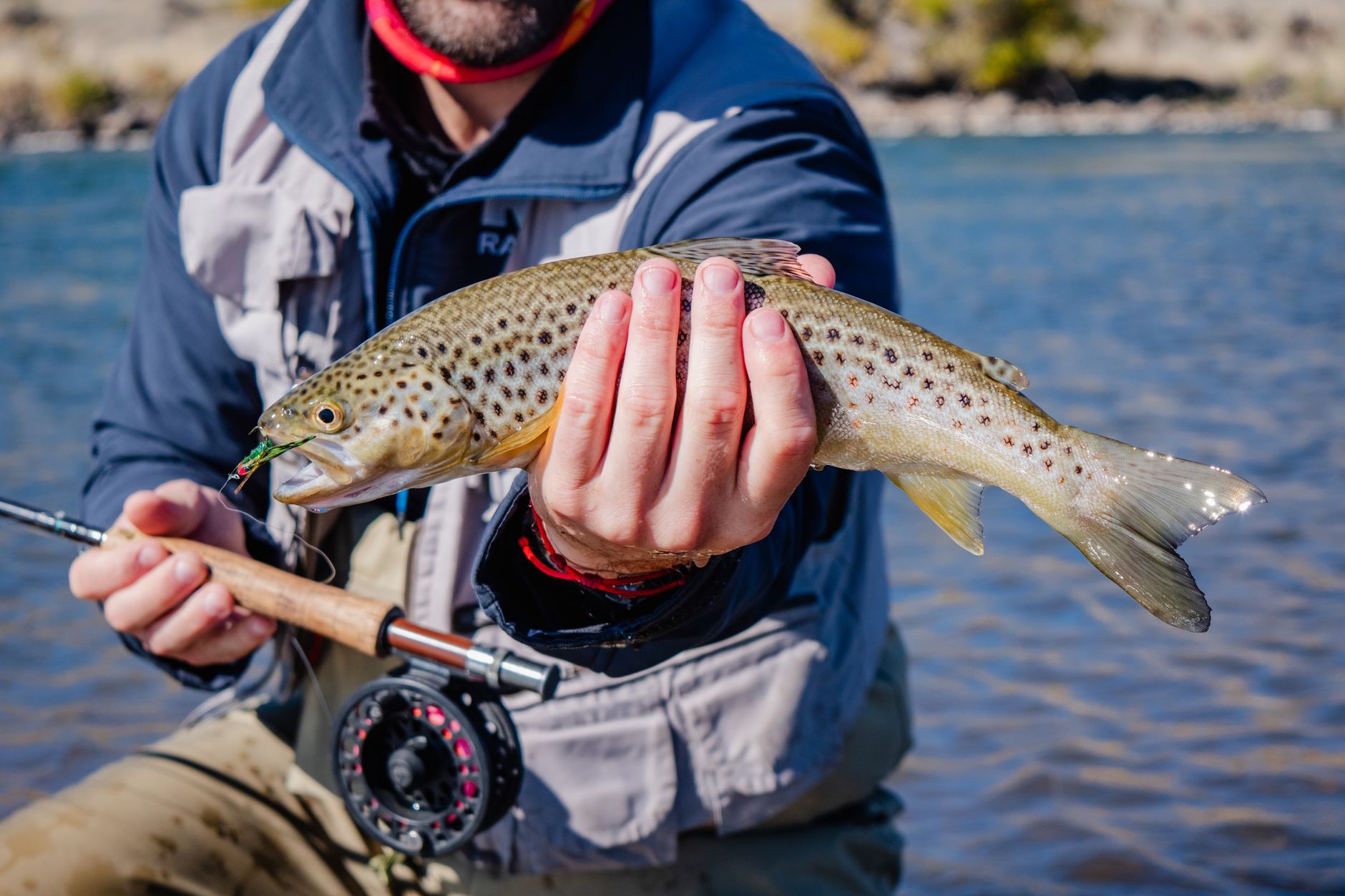
The angling case is narrower and more immediate. Jim Strogen, an angler who represents Trout Unlimited and recreational interests on Reclamation's work group, says the decision threatens the Lees Ferry rainbow trout fishery as much as the chub. Rainbows are also non-native there, but sporting groups argue they eat mostly insects rather than fish and pose little threat to natives.
Strogen and allied sporting groups submitted letters asking for the programme to continue, and an online petition drew 1,700 endorsements.
"It's very disappointing obviously," Strogen said, "and I just know that it's going to crush the fishery." Trout had already struggled to reproduce as summer temperatures climbed into the 60s before cool mix started, he said. Water in the mid to upper 70s would kill them outright.
The power side sees the same decision as overdue realism. Andy Colosimo, executive director of the Colorado River Energy Distributors Association, which represents around 155 customers buying federal hydropower from the river, welcomed it.
"We're very pleased with the decision and appreciate Reclamation's deliberate and thoughtful approach to this, just recognizing the challenges that we're facing on the river," Colosimo said. "I think this was the right call, given the conditions that we're all facing." Utilities had warned that the releases would force them to buy millions of dollars of costlier - and less likely renewable - replacement power, with the bill landing on customers.
The tension was visible weeks before the decision. In mid-July, with the river already warm enough to trigger releases and no announcement forthcoming, Jen Pelz, water advocacy director at the Grand Canyon Trust, argued the accounting was being framed wrongly.
"We just need to think about what it is we're willing to lose and the values that we cherish," Pelz said. "Grand Canyon is one of the most iconic landscapes in this country, in the world. In fact, it's a UNESCO World Heritage Site, and trying to maintain its fishery is integral to maintaining that ecological and cultural integrity of this place."
Pelz also made the timing argument that now applies to a third summer. "We're at the very start of what's known as an invasion," she said. "If you can stop that establishment from happening at the start of the invasion, it's much easier and less expensive than if you wait until those non-native fish have really gotten into every part and tributary of the Colorado River."
Reclamation says the effort continues by other means. Pullan pointed to "expanded rapid response removal actions, additional backwater modifications, evaluation of innovative tools, and advancement of durable structural solutions" - mechanical removal, habitat modification, and eventually physical barriers.
Adult bass have persisted in the river through both cool mix years. What the programme stopped was breeding. This summer, for the first time since 2022, nothing is stopping it.