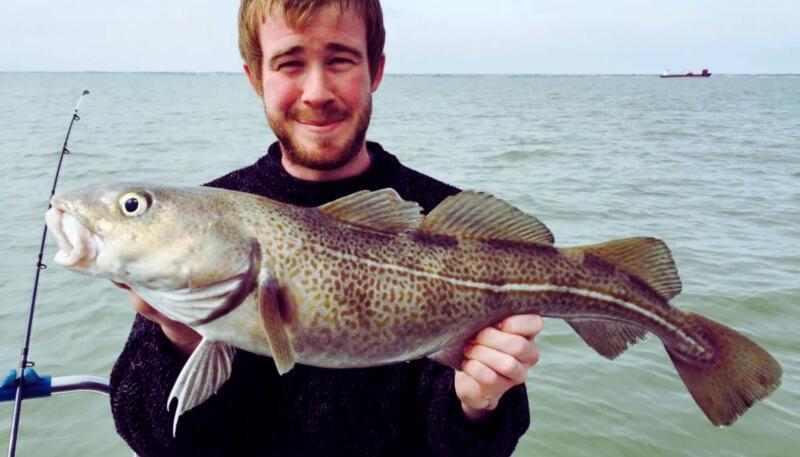
As winter continues to chill the Thames Estuary, it remains a prime location for anglers eager to tackle the late season. February's water temperature rests at a cool 6.6°C, prompting a careful assessment of fishing conditions along the coastlines of Southend, Canvey, and Sheppey. The recent weather has brought slightly improved water clarity, making it more favorable for sight-feeding fish.
"The estuary is open for business, but conditions are harsh," said a local fishing guide. With persistent frost on the piers and early morning temperatures often dipping into single digits, anglers are advised to dress warmly and opt for studded boots for enhanced safety. The ongoing south-westerly winds are producing manageable waters even as wind chill factors come into play.
Despite the chill, there is optimism among fishermen. Reports indicate that the staple winter fish, Whiting (Merlangius merlangus), are plentiful, particularly in deeper channels. "Whiting are currently the most reliable sport in the estuary," commented a veteran angler. "They are aggressive and competitive, which is great news for those heading out even in cold weather."
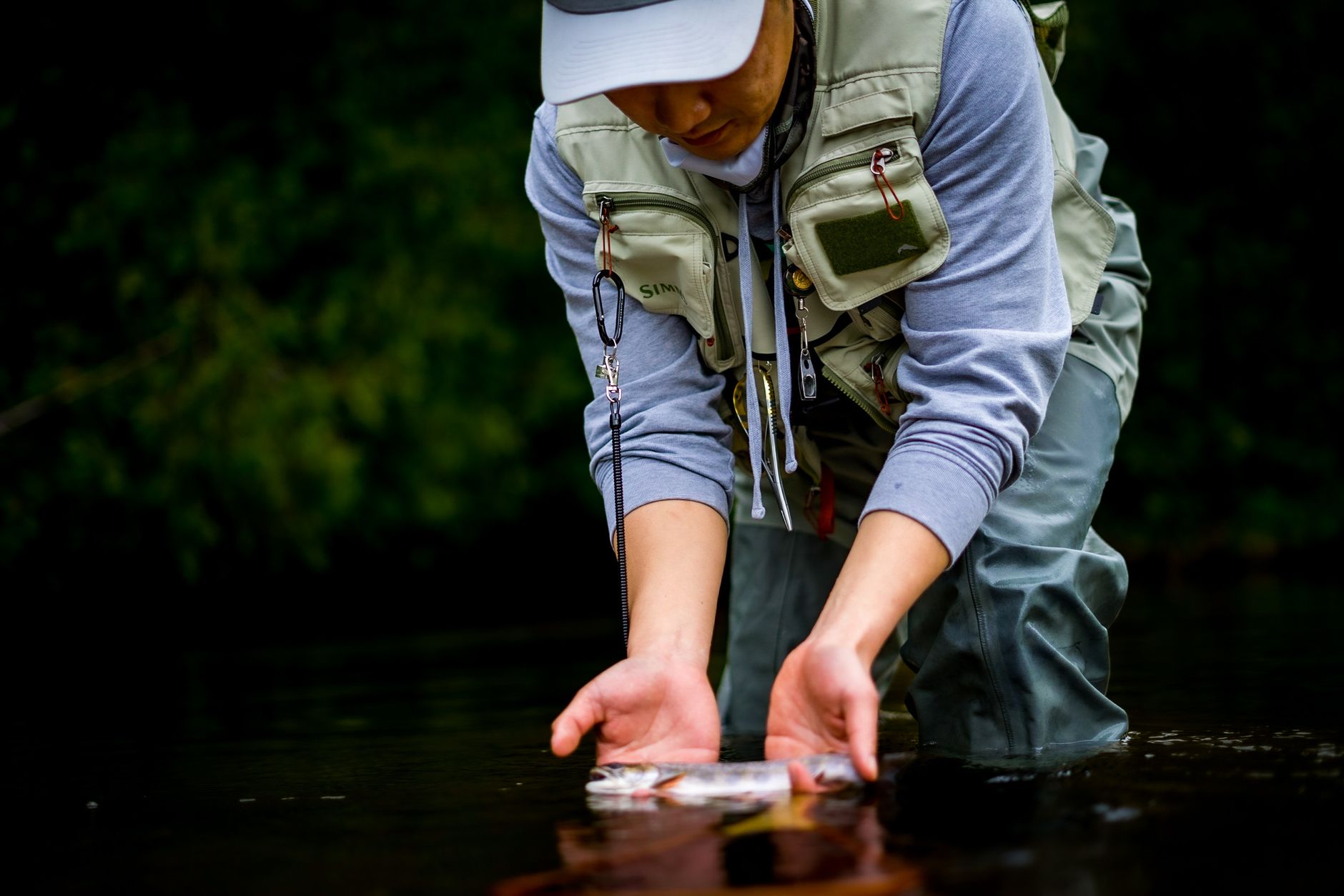
However, some caution is warranted. Freshwater runoff from upstream areas like Gravesend and Tilbury, nearing freezing, is pushing certain fish species further out into saltier waters. "It has become necessary to head a bit further out as fish adjust to the changing water conditions," the guide emphasized.
In addition to Whiting, Flounder (Platichthys flesus) is gaining attention. Once overlooked during winter, the Flounder populations are now peaking before their offshore migration, making them a worthwhile target. "Fishing for Flounder is particularly exciting right now. They are found where mud meets sand, right in the color, making them like hidden treasures," said a local enthusiast.
The presence of baitfish, including Common Gobies and Sand Gobies, has been noted as well, adding an enticing layer to fishing strategies. "The active Goby populations in the intertidal shallows help explain predatory fish behavior. When you go out, make sure your bait mimics their profile—light, mobile, and visually appealing," suggested an experienced fisher.
For those planning their outings, two tactical zones are highlighted: Southend Pier and the deeper water channels. At Southend Pier, the preferred bait is a bunch of Harbour Ragworm, ideally enhanced with a small piece of silver mackerel belly for added appeal. "This practice increases your chances as it adds both scent and visual attraction," said an expert fisherman.

In the deep-water channels, the best fishing timings are suggested to be two hours before high water. A classic setup involves using lugworm tipped with squid to maintain hook appeal despite the nibbles from smaller Whiting. "The longer the bait stays on the hook, the better the odds of landing larger fish like Codling and Whiting," explained another local angler.
Fishing regulations should also be kept in mind. As of February 1st, Bass is strictly catch and release, a measure aimed at preserving local populations. "IFCA officers are actively monitoring compliance at Southend and Gravesend, so responsible fishing is vital," stated a local fisheries officer.
Should the weather turn unfavorably, an alternative is to head to the River Medway, where the high banks provide natural protection against strong winds. This location is favorable for targeting Flounder and Eels. "Fishing close to the wall at Rochester Esplanade using a basic running ledger can yield good results, even in adverse weather conditions," advised a seasoned Medway angler.