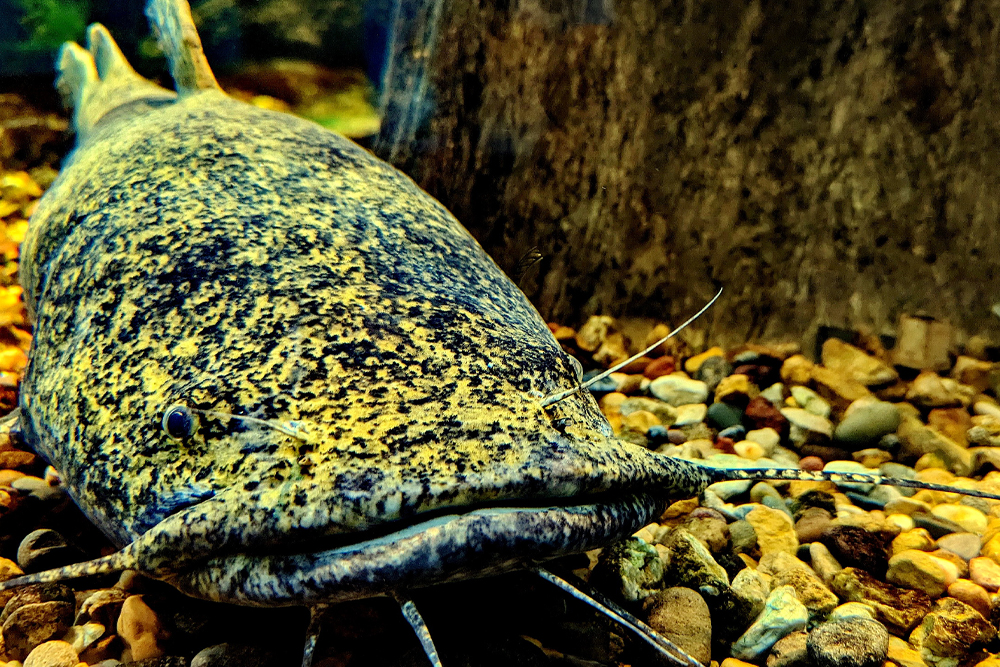
Flathead catfish are known for their muscular build and intriguing behavior, setting them apart from their blue and channel relatives. These formidable fish present a captivating challenge, meaning that understanding their unique traits is essential for any angler hoping to reel one in.
"Flatheads are a different breed—literally and behaviorally," said Keith “Catfish” Sutton, an expert angler and author. Their distinct physical characteristics—including a broad, flat head and a protruding lower jaw—make them relatively easy to identify. The fish typically exhibit skin tones ranging from brown to yellow, often decorated with dark mottling.
However, it is their behavior that truly distinguishes flatheads. Unlike blues and channels, which tend to school together, flatheads are known for their solitary nature. "They are territorial and picky about what they eat and where they live," Sutton emphasized, highlighting the importance of adapting fishing strategies to target these unique hunters.
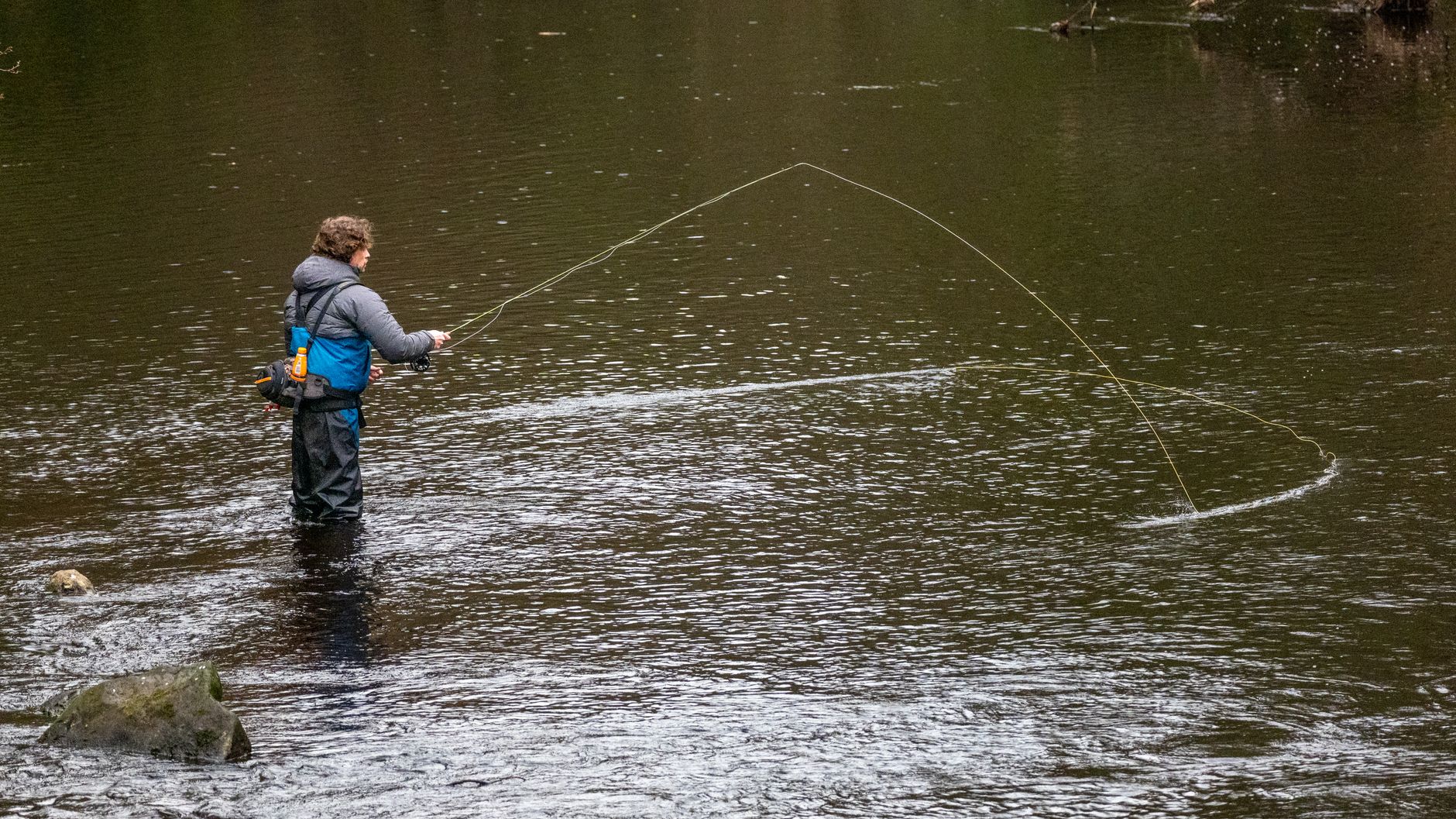
To increase the chances of landing a flathead, anglers must consider their prey preference. They are primarily carnivorous and have a strong preference for live bait. "Flatheads eat other fish, and they prefer their meals alive and kicking," Sutton advised. This means that using live bait is an absolute must for those looking to attract these powerful predators.
When fishing for flatheads, timing and location are also crucial. These fish are often found in deeper waters during the day but tend to move closer to the shore at night to hunt. "Targeting flatheads may require late-night fishing expeditions," noted Sutton, suggesting that anglers capitalize on the fish’s nocturnal feeding habits for better results.
Anglers should also be aware of the structure in the water, as flatheads often seek out hiding spots such as sunken trees, rocks, and underwater vegetation. "Understanding the environment can significantly improve your chances of success," Sutton added.
Successful flathead fishing also requires an understanding of proper rigging techniques. For instance, Sutton recommends using heavier tackle, including robust rods and reels, to withstand the fight flatheads put up when hooked. "You’re dealing with a heavyweight predator, so being equipped is key," he stated.

In addition to tackle, bait presentation can significantly influence catch rates. Sutton encouraged anglers to keep the bait lively and natural in appearance. "How you present your bait is just as important as the bait itself," he remarked, underscoring the necessity of realism to entice these cautious fish.
Lastly, while pursuing flatheads can be immensely rewarding, Sutton urges a respect for the environment and sustainable practices. Conservation is critical, and he stressed the importance of following local regulations and guidelines. "We must ensure that future generations can enjoy the thrill of catching flatheads just as we do today," he concluded.
As the fishing community continues to evolve, understanding the unique characteristics and requirements of flathead catfish will remain essential for success. While they may require a different approach compared to other catfish species, the thrill of landing one of these formidable fish is well worth the effort.