
The Southern sand flathead, or Platycephalus bassensis, occupies a significant niche in Australia's marine ecosystem. Often referred to by various names such as Bass flathead, bay flathead, and common flathead, this species is cherished not only for its culinary value but also for its recreational fishing appeal, particularly in Tasmania.
"Platycephalus bassensis is a bottom-dwelling species that thrives in sandy and muddy substrates, making it a sought-after catch in both commercial and recreational fishing realms," said marine biologist Dr. Sarah Mitchell. This fish, endemic to waters ranging from northern New South Wales to southwestern Western Australia, is predominantly found in shallow coastal bays down to depths of around 100 meters.
The taxonomic roots of Platycephalus bassensis can be traced back to 1829, when the French zoologist Georges Cuvier first described it in the Histoire naturelle des poissons, co-written with Achille Valenciennes. He noted the type locality as Western Port in Victoria, with the species name referring to the Bass Strait. "The specific name bassensis reflects the species' ties to the region's geographical features," remarked evolutionary biologist Dr. Emily Chang.
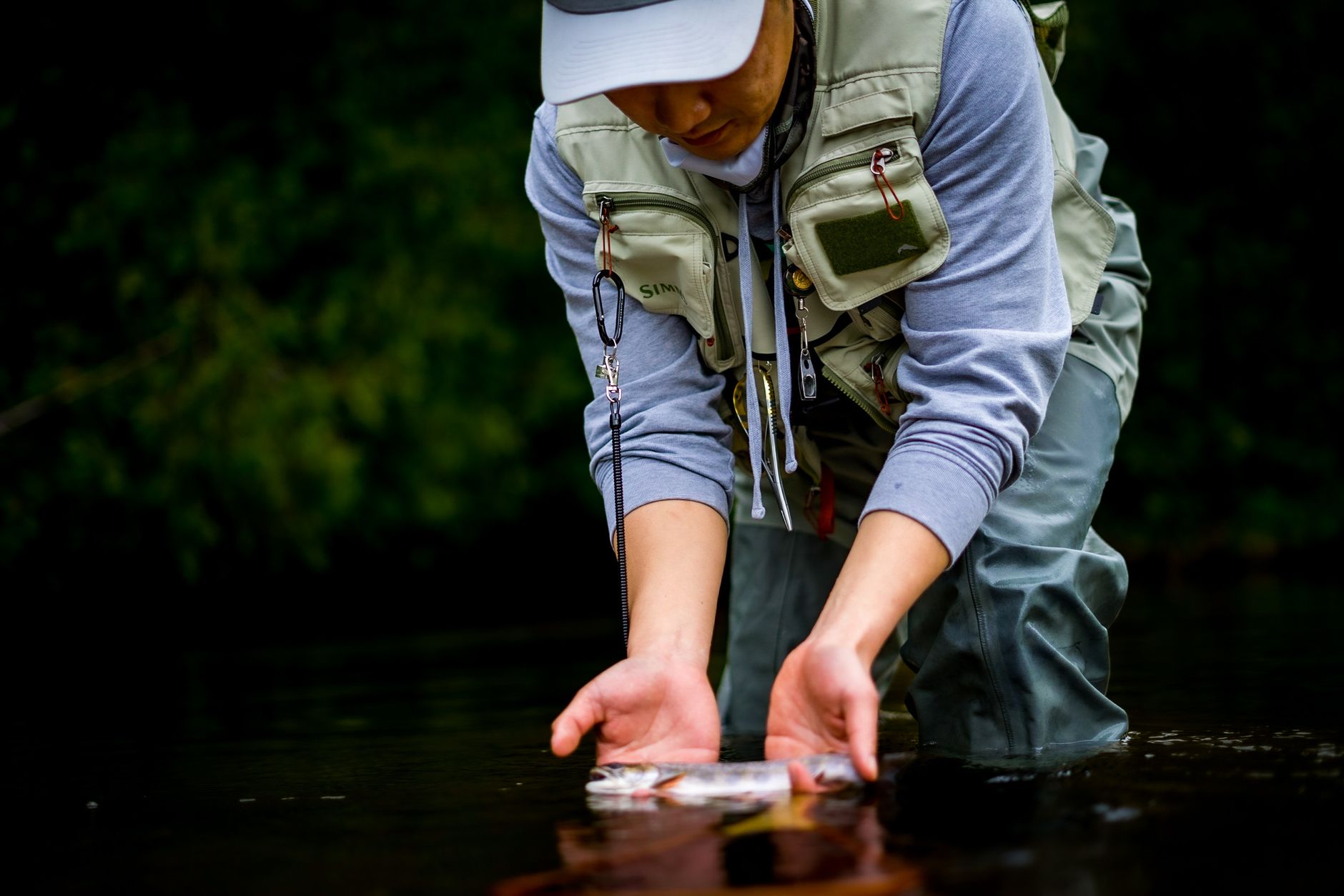
With its elongated body and large, flattened head—making up nearly one-third of its standard length—Platycephalus bassensis displays distinctive anatomical features. According to fishery scientist Dr. James Foster, "The presence of two prominent bony ridges behind the eyes and a wide mouth filled with small canine-like teeth highlights its predatory nature." The flathead’s dorsal and anal fins boast a unique structure, with approximately 14 soft rays providing it with excellent agility in its aquatic environment.
Visually, the Southern sand flathead can be recognized by its sandy to pale brownish color, often decorated with small spots ranging from pale to dark. "The natural camouflaging ability of these fish against the ocean floor is remarkable; it allows them to ambush prey effectively while evading potential predators," added Dr. Mitchell.
Feeding primarily on fish and large benthic crustaceans, Platycephalus bassensis employs an ambush predator strategy, often burying itself in the sediment. This incredible adaptability to its environment enhances its success in capturing prey. "Burying in sediment is critical for its hunting strategy, as it relies on stealth and patience to feed efficiently," said marine ecologist Dr. Laura Kim.
In terms of reproduction, Platycephalus bassensis exhibits a fascinating lifecycle. The species has separate sexes, and external fertilization occurs during the late Austral winter, extending through mid-December. "The larvae of Southern sand flathead are pelagic and settle on the seafloor after hatching, whereupon they undergo rapid growth in their first three years," explained fish biologist Dr. Rachel Lee. These young fish typically achieve lengths of 22 to 25 centimeters in this timeframe.

Among fishing communities, Platycephalus bassensis holds significant value. It is commonly labeled as a prime candidate for fish and chips, leading to a substantial demand among local fisheries. "Sustainable fishing practices for this species are crucial to ensure its availability for future generations, especially given its popularity among both commercial and recreational fishers," emphasized fisheries manager Tom Wright.
The harvesting of Platycephalus bassensis is executed through various methods, including commercial trawling, Danish seiners offshore, and multiple inshore techniques like gillnetting, beach seining, and hook and line fishing. Such an array of fishing approaches showcases the economic importance of the Southern sand flathead.
In summary, Platycephalus bassensis is not just a vital species in Australia's marine biodiversity but also a reflection of the country's fishing culture and culinary preferences. Understanding its biology and conservation status will play a crucial role in maintaining the balance within its ecosystem and supporting fishing communities.In conclusion, the Southern sand flathead continues to thrive in Australian waters, highlighting the importance of sustainable practices to preserve this beloved species for generations to come.