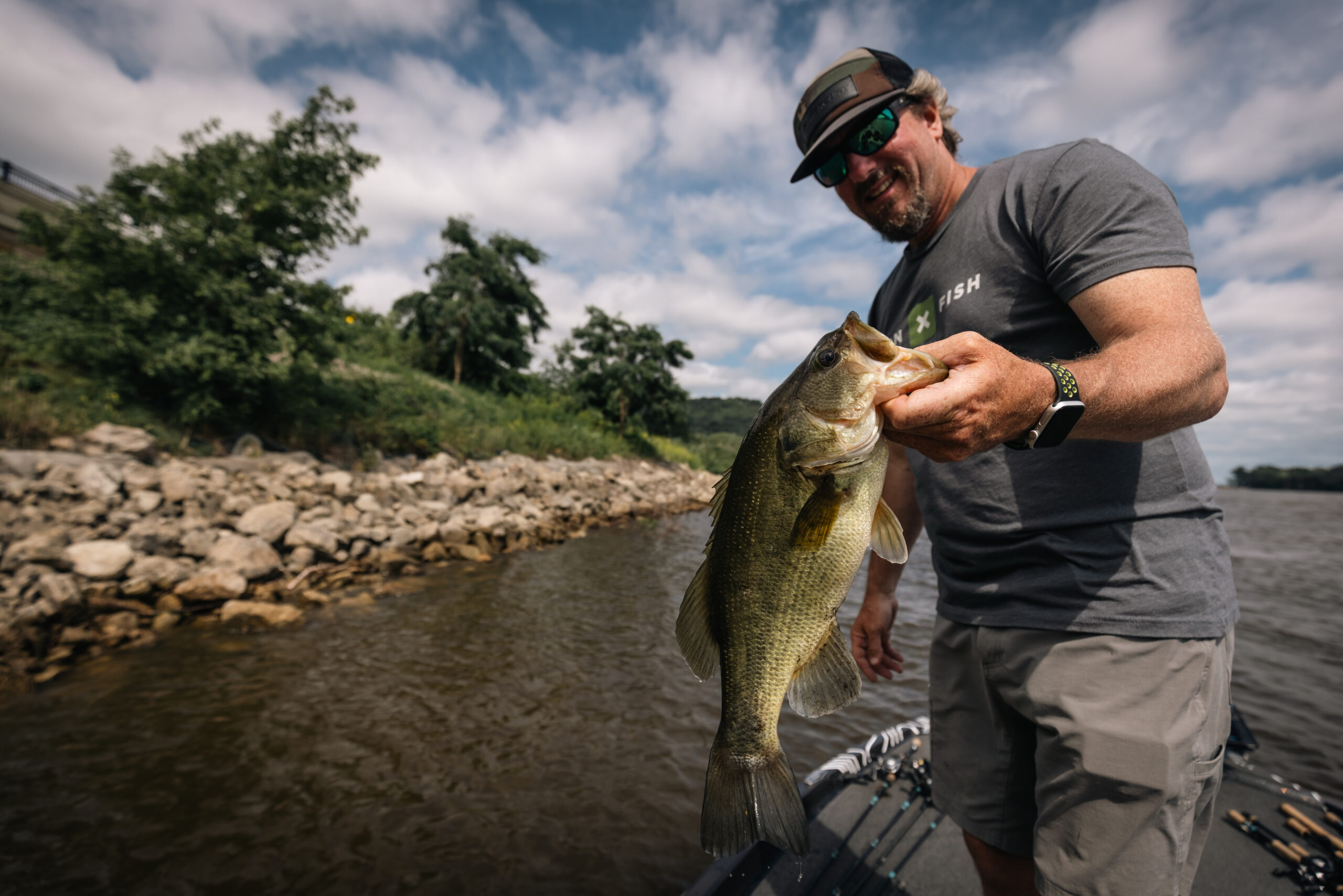
Nestled just outside Lawrence, Kansas, Clinton Lake has established itself as one of the state's most sought-after fishing destinations, drawing anglers from across the region with its impressive 7,000 acres of water and 85 miles of diverse shoreline. The reservoir's strategic location adjacent to Clinton State Park creates a comprehensive outdoor recreation hub that caters to both serious fishing enthusiasts and families seeking weekend adventures.
The lake's reputation stems from its remarkable diversity of fish species and fishing environments, offering everything from technical smallmouth bass fishing to productive crappie spawning areas. This variety has made Clinton Lake particularly attractive to anglers of all skill levels, from beginners learning the basics to seasoned professionals honing advanced techniques.
**Bass Fishing: Two Species, Two Strategies**
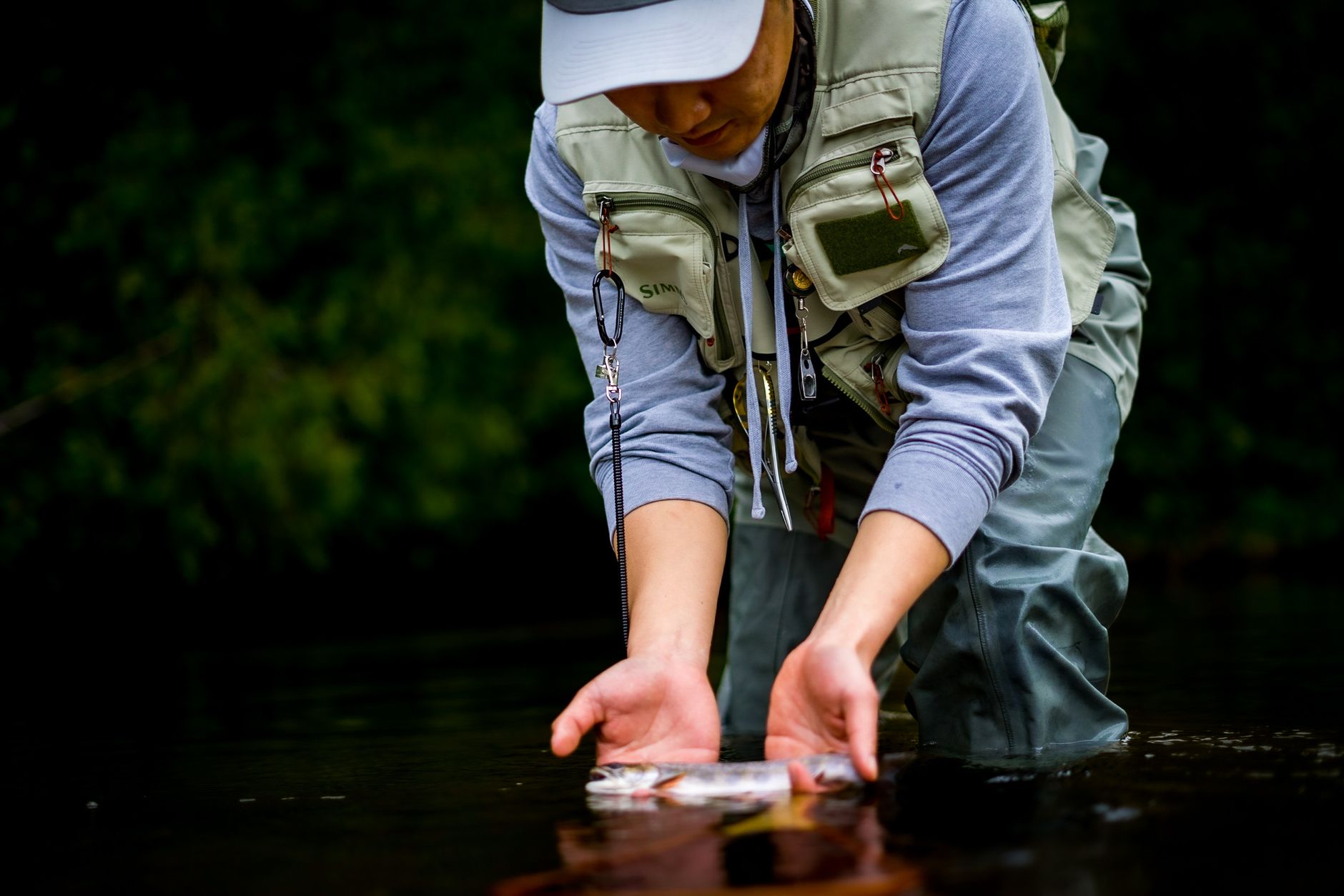

The bass fishing at Clinton Lake exemplifies the importance of understanding species-specific behavior and habitat preferences. Experienced angler Jim Rivers, who has spent countless hours studying the lake's bass populations, emphasizes the distinct approaches required for smallmouth and largemouth bass.
"Smallies prefer clear, moving water and deep rock piles," Rivers explained, noting that the eastern side of the lake near the dam provides ideal smallmouth habitat. His approach focuses on precision and patience: "If you catch one, there's likely another nearby."
"Smallies prefer clear, moving water and deep rock piles,"
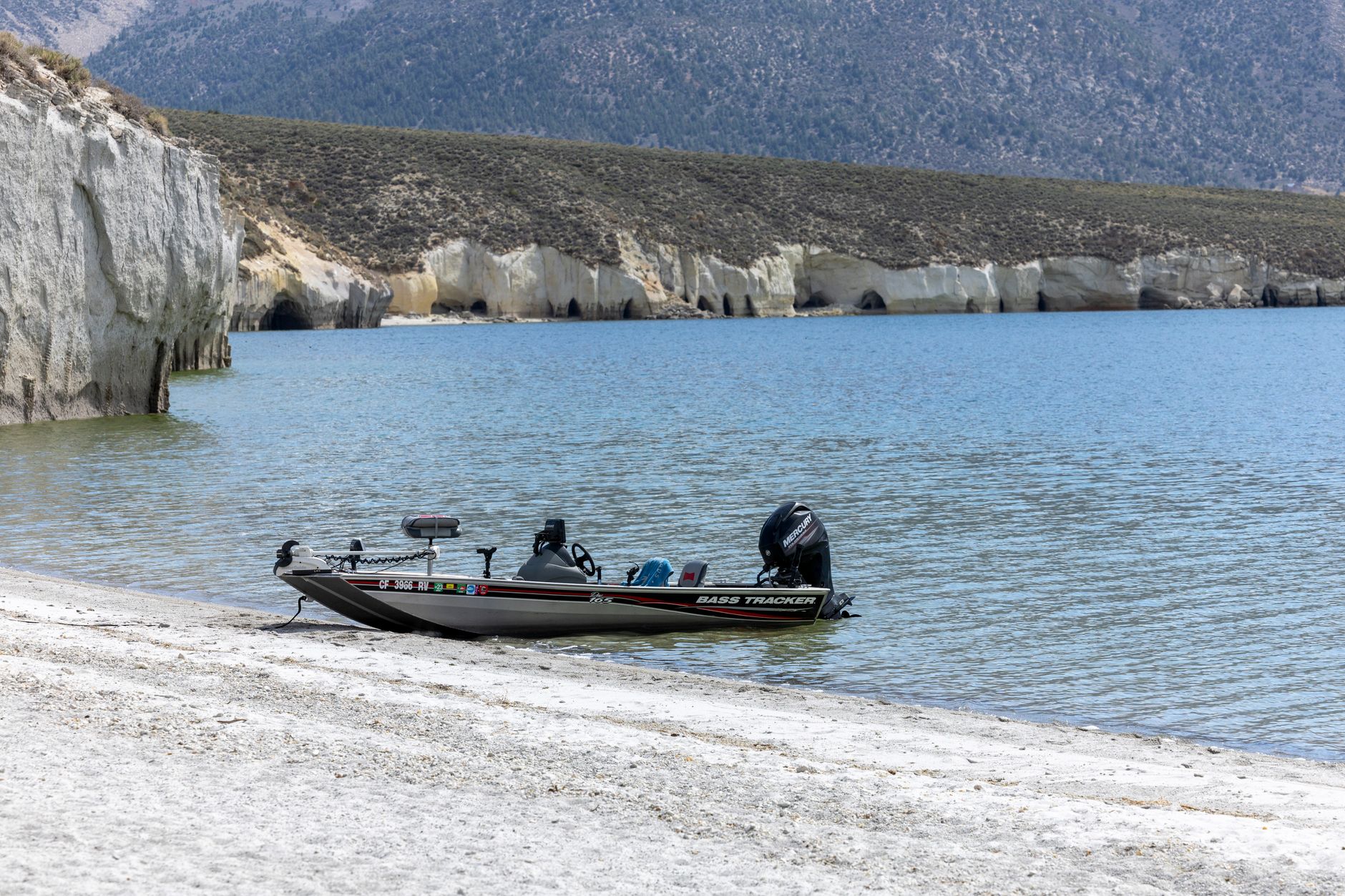
For smallmouth success, Rivers advocates for downsized presentations using drop-shot rigs and wacky-rigged soft plastics. Swimbaits and compact-bladed jigs have also proven effective for targeting these bronze-backed fighters in Clinton Lake's clearer, deeper areas.
The largemouth bass population requires an entirely different strategy, according to local expert Linda Moore, who has developed techniques specifically tailored to Clinton Lake's western sections. "Largemouths tolerate dirtier water and prefer brush piles and vegetation in shallow areas," Moore noted, though she acknowledges seasonal variations in their behavior patterns.
"Largemouths tolerate dirtier water and prefer brush piles and vegetation in shallow areas,"
Championship Implications
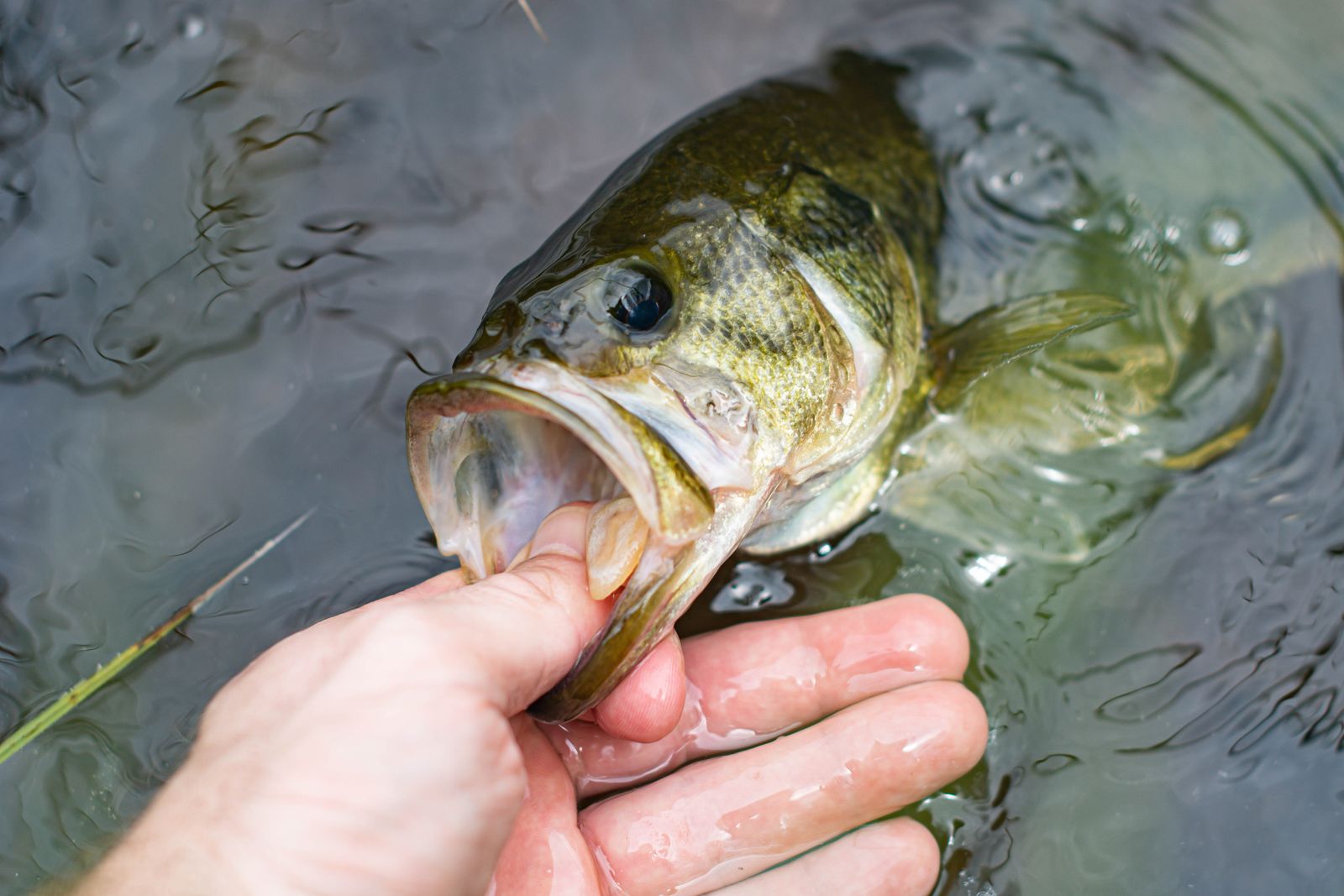
During summer months, these bass typically school in deeper water, but Moore's experience suggests a different pattern: "I catch most of my largemouth in less than 10 feet of water." Her preferred targets include main lake points and creek arms on the reservoir's western side, with particular attention to flat areas near creek channels.
Moore encourages aggressive tactics when targeting largemouth bass: "Don't be afraid to toss your lure into a brush pile; that's often where the big ones are hiding." This approach reflects the species' tendency to use cover for both feeding and protection.
**Crappie Fishing Excellence**
Clinton Lake's reputation as one of Kansas's premier crappie destinations is well-deserved, with fish averaging 9-13 inches providing both quality and quantity for dedicated anglers. The lake's crappie population exhibits seasonal patterns that savvy anglers have learned to exploit.
Crappie specialist Tim Collins has identified spring spawning season as the prime opportunity for both bank and boat anglers. "During the spring, they're more aggressive and accessible to bank anglers," Collins observed, noting the increased feeding activity that accompanies reproductive behavior.
"During the spring, they're more aggressive and accessible to bank anglers,"
Throughout the remainder of the year, Collins focuses on structure fishing in deeper water: "Crappies are commonly found around brush piles or structures at depths of 20-30 feet for the rest of the year." His tackle selection includes plastic jigs and live minnows as primary offerings, supplemented by crankbaits and small spinners for versatility.
"These can trigger an enthusiastic bite from crappies," Collins said of his secondary lure choices, emphasizing the importance of having multiple presentation options available.
"These can trigger an enthusiastic bite from crappies,"
**Catfish: A Regulation-Conscious Approach**
The catfish population at Clinton Lake includes both blue and channel catfish, each requiring specific techniques and bait selections. Veteran catfish angler Sarah Knight has developed strategies that account for the behavioral differences between these species while emphasizing the importance of regulatory compliance.
"The bigger blue catfish favor cut shad or large baits, while channel cats are more likely to take nightcrawlers, chicken liver, and stink bait," Knight explained, highlighting the species-specific feeding preferences that successful catfish anglers must understand.
"The bigger blue catfish favor cut shad or large baits, while channel cats are more likely to take nightcrawlers, chicken liver, and stink bait,"
Looking Ahead
Knight's approach extends beyond technique to conservation ethics, stressing the long-term sustainability of the fishery. "It's crucial to follow these rules; they help ensure excellent catfishing experiences for future generations," she emphasized, noting that regulatory compliance directly impacts the lake's continued productivity.
"It's crucial to follow these rules; they help ensure excellent catfishing experiences for future generations,"
**A Destination with Staying Power**
Clinton Lake's combination of diverse fish populations, varied habitat types, and accessible fishing opportunities has created a destination that continues to attract new anglers while satisfying returning visitors. The reservoir's proximity to Clinton State Park adds family-friendly amenities that extend the appeal beyond serious fishing, making it a comprehensive outdoor recreation destination.
As the fishing community continues to recognize Clinton Lake's potential, both novice and experienced anglers can expect to find challenging and rewarding experiences on its waters, supported by the expertise of local anglers who have unlocked the secrets of this Kansas fishing gem.