As twilight settles over mountain lakes and streams across the country, dedicated anglers are gearing up for some of the most productive fishing hours of the day. While many fishermen pack up their gear when the sun goes down, those who venture out into the darkness often find themselves rewarded with impressive catches and unforgettable experiences.
Night fishing for trout has gained popularity among serious anglers who understand that these elusive fish often become more aggressive hunters once darkness falls. The cooler temperatures and reduced visibility create ideal conditions for trout to ambush prey, making evening hours particularly advantageous for those willing to brave the elements.
Eric Larson, an experienced angling guide who has spent decades perfecting his craft on waters throughout various regions, has witnessed firsthand the dramatic difference that fishing after sunset can make. His passion for the sport has taken him through countless nocturnal adventures, each one reinforcing his belief in the effectiveness of night fishing techniques.

"The trout start biting more aggressively just before sunset and keep that bite going throughout the night in most lakes," Larson explained, drawing from years of guiding anglers through successful evening expeditions. However, he acknowledges that night fishing isn't for everyone—it requires patience, preparation, and the willingness to endure less-than-comfortable conditions.
"The trout start biting more aggressively just before sunset and keep that bite going throughout the night in most lakes,"
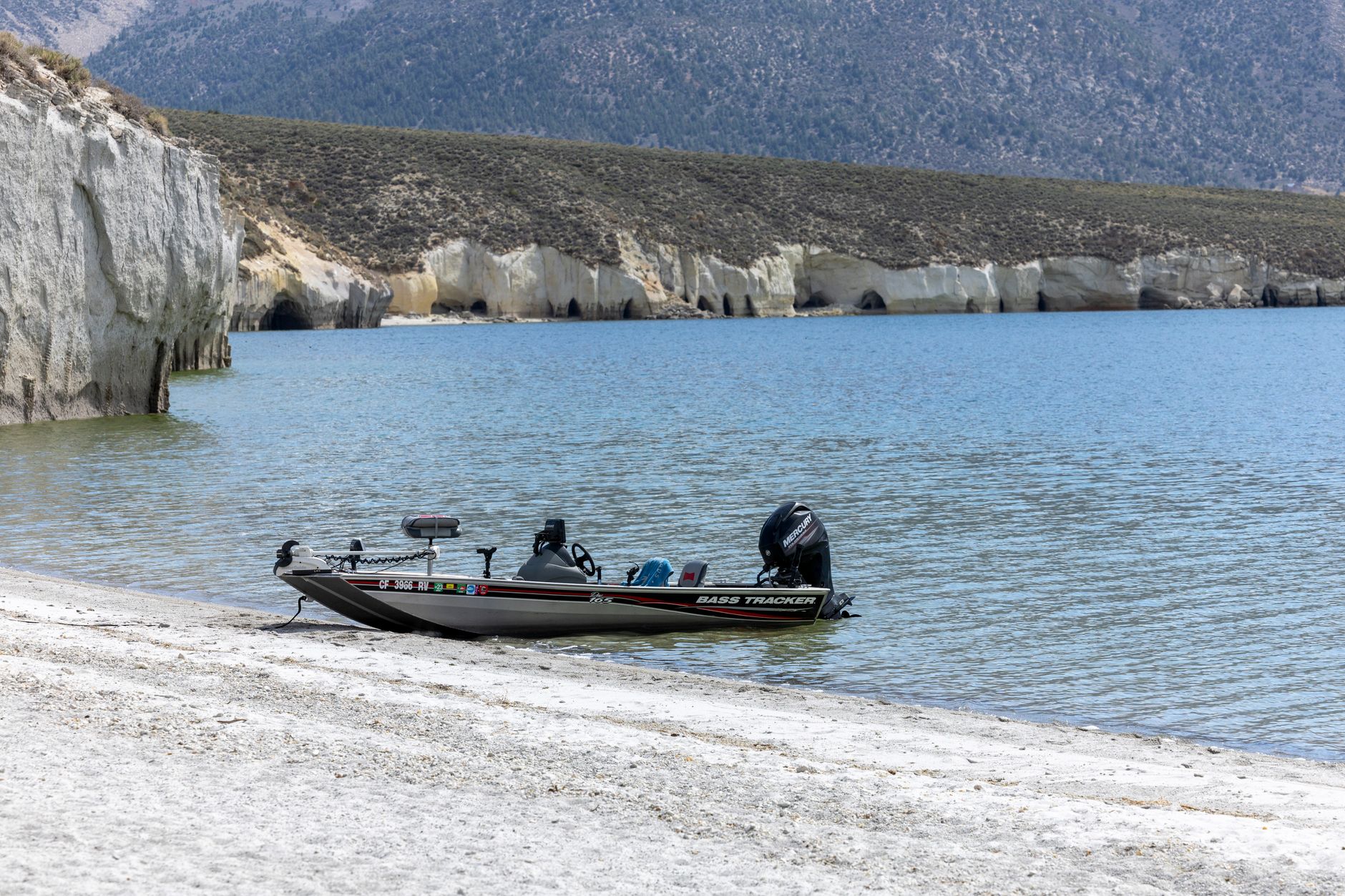
Larson's dedication to his craft is evident in his vivid recollections of past fishing trips. "I remember many nights sitting in the boat, covered in too much bug spray, freezing in the 40° mountain air, catching splake and brown trout all night long," he reminisced. These experiences, while challenging, capture the essence of what draws passionate anglers to pursue trout in the darkness.
"I remember many nights sitting in the boat, covered in too much bug spray, freezing in the 40° mountain air, catching splake and brown trout all night long,"
Career Journey
Throughout his guiding career, Larson has identified several critical components that separate successful night fishermen from those who return empty-handed. According to his observations, success depends heavily on selecting the right location, timing the expedition properly, choosing effective lures, and understanding which types of trout to target during nocturnal outings.
One of the most important lessons Larson shares with fellow anglers is that trout species behavior varies dramatically after dark. "That couldn't be farther from the truth. Cutthroat fight and feed completely different from rainbows, as do browns, brookies, splake, tigers, and mackinaw," Larson stated. While all trout are predators by nature, their feeding habits and preferred habitats change significantly when the sun sets.
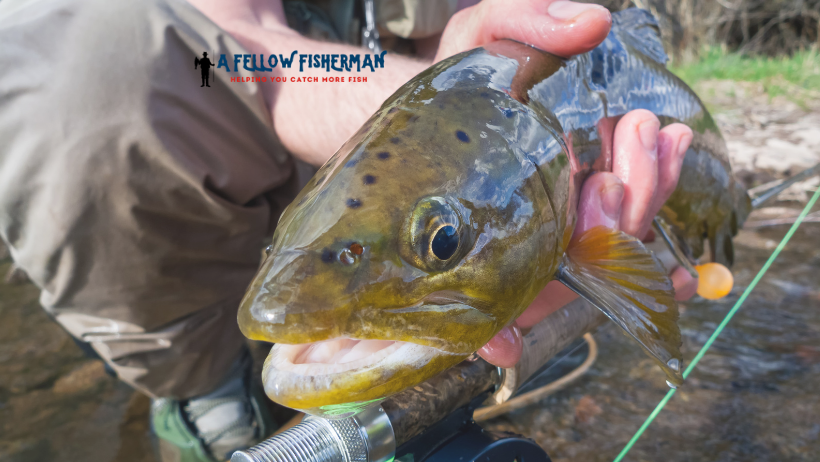
Brown trout emerge as some of the most formidable nocturnal hunters, actively seeking out lures and live bait in the darkness. "The brown is always on the lookout for smaller fish to eat," Larson noted, explaining that these fish, particularly in their younger stages, prefer the cover of night for hunting. This predatory behavior creates excellent opportunities for anglers who understand how to present the right bait at the optimal time.
"The brown is always on the lookout for smaller fish to eat,"
Rainbow trout require a different approach entirely, especially in areas where recent stocking efforts have occurred. Larson recommends targeting these fish around newly stocked areas using specific techniques. "Fish a rainbow-colored lure with some silver flash around the plant area at night," he suggested. The strategy of using shiny lures enhanced with scents or additional bait often proves successful as rainbows venture into shallower waters searching for food under cover of darkness.
"Fish a rainbow-colored lure with some silver flash around the plant area at night,"
Tiger trout represent another prime target for night fishing enthusiasts, as their aggressive hunting instincts intensify with the setting sun. These fish thrive in cooler water temperatures, making evening hours ideal for pursuing them. Larson's approach to tiger trout fishing reflects both his expertise and sense of humor about the sport. "Toss a Panther Martin spinner at them, and you'll either bring in a tiger or a piece of your lure," he jested, highlighting the fierce fighting spirit these fish are known for.
"Toss a Panther Martin spinner at them, and you'll either bring in a tiger or a piece of your lure,"
The guide emphasizes that understanding the dietary transition of tiger trout is crucial for success. Once these fish reach 12 inches in length, they typically switch to a primarily fish-based diet, making the choice of bait particularly important for anglers targeting larger specimens.
For anglers looking to improve their night fishing success, Larson's insights offer valuable guidance drawn from real-world experience. The ability to endure cooler temperatures, remain patient during long hours on the water, and adapt techniques to specific trout species often distinguishes successful night fishermen from casual anglers.
As trout fishing continues to be a beloved pastime for millions of Americans, the specialized knowledge that guides like Larson bring to the sport helps both novice and experienced fishermen maximize their time on the water. Night fishing may present additional challenges, but for those willing to embrace the darkness, it offers unique rewards and the potential for some of the most memorable fishing experiences of their lives.
The growing interest in night fishing techniques reflects a broader trend among serious anglers seeking to push beyond traditional fishing boundaries and discover new ways to connect with their passion for the sport.