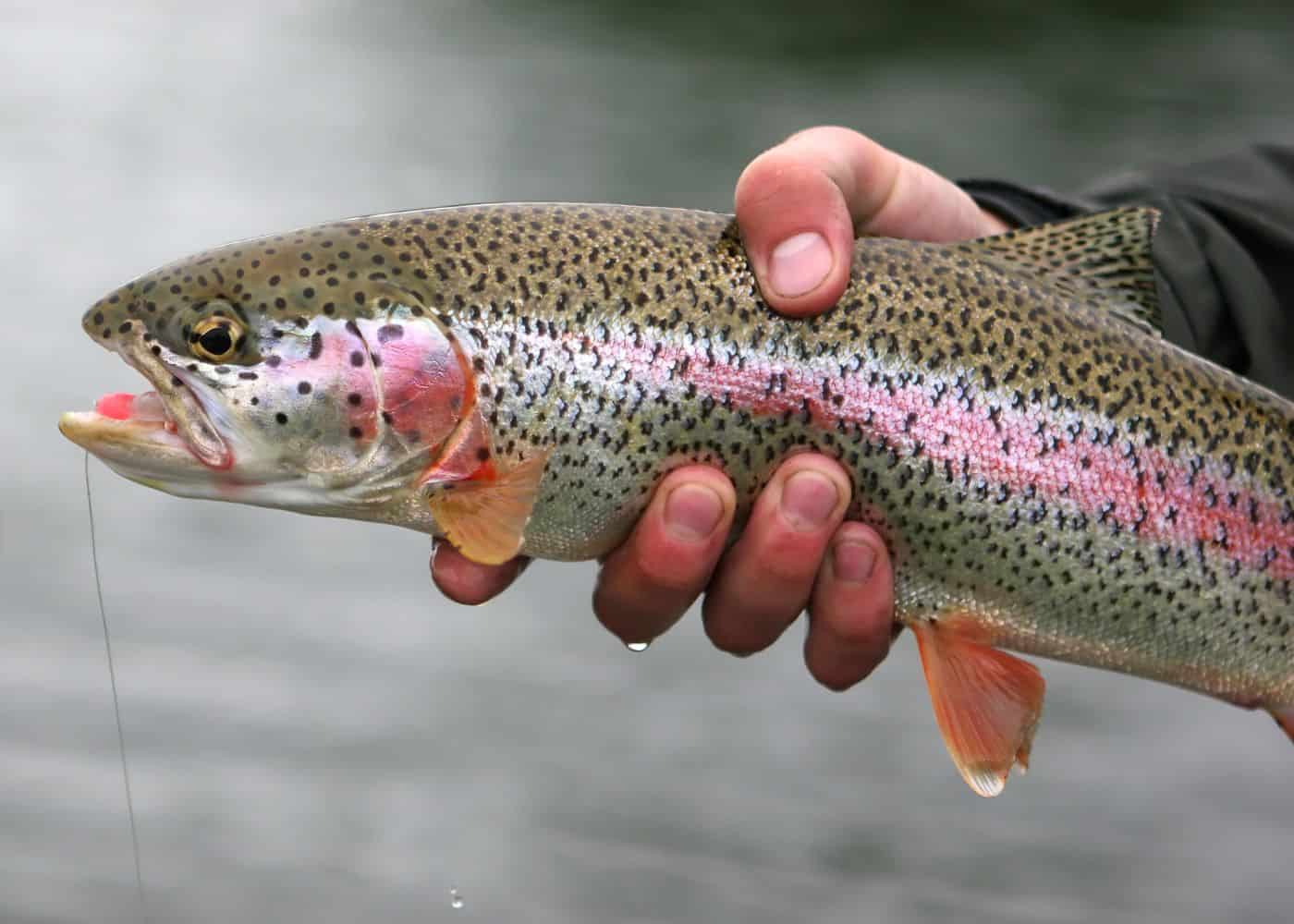
For anglers seeking one of freshwater fishing's most rewarding challenges, rainbow trout represent the perfect quarry—vibrant, fierce fighters that demand both skill and strategy to successfully land. These prized fish, known for their spectacular colors and spirited battles, inhabit clean, cool waters where food sources are abundant, making them a coveted target for fishing enthusiasts of all experience levels.
The key to successful rainbow trout fishing lies in understanding their habitat preferences and behavioral patterns, according to seasoned angler Danny Mooers, whose methodical approach has proven effective across diverse water conditions. Rather than randomly casting in promising-looking spots, Mooers advocates for a systematic strategy that maximizes opportunities while minimizing disturbance to the fish.
"To catch rainbow trout, you want to find sections of water that have ample food sources and don't make them expend too much energy," Mooers explained. The ideal locations include pools, riffles, eddies, and cut banks—natural formations that provide both shelter and easy access to food sources that drift downstream.
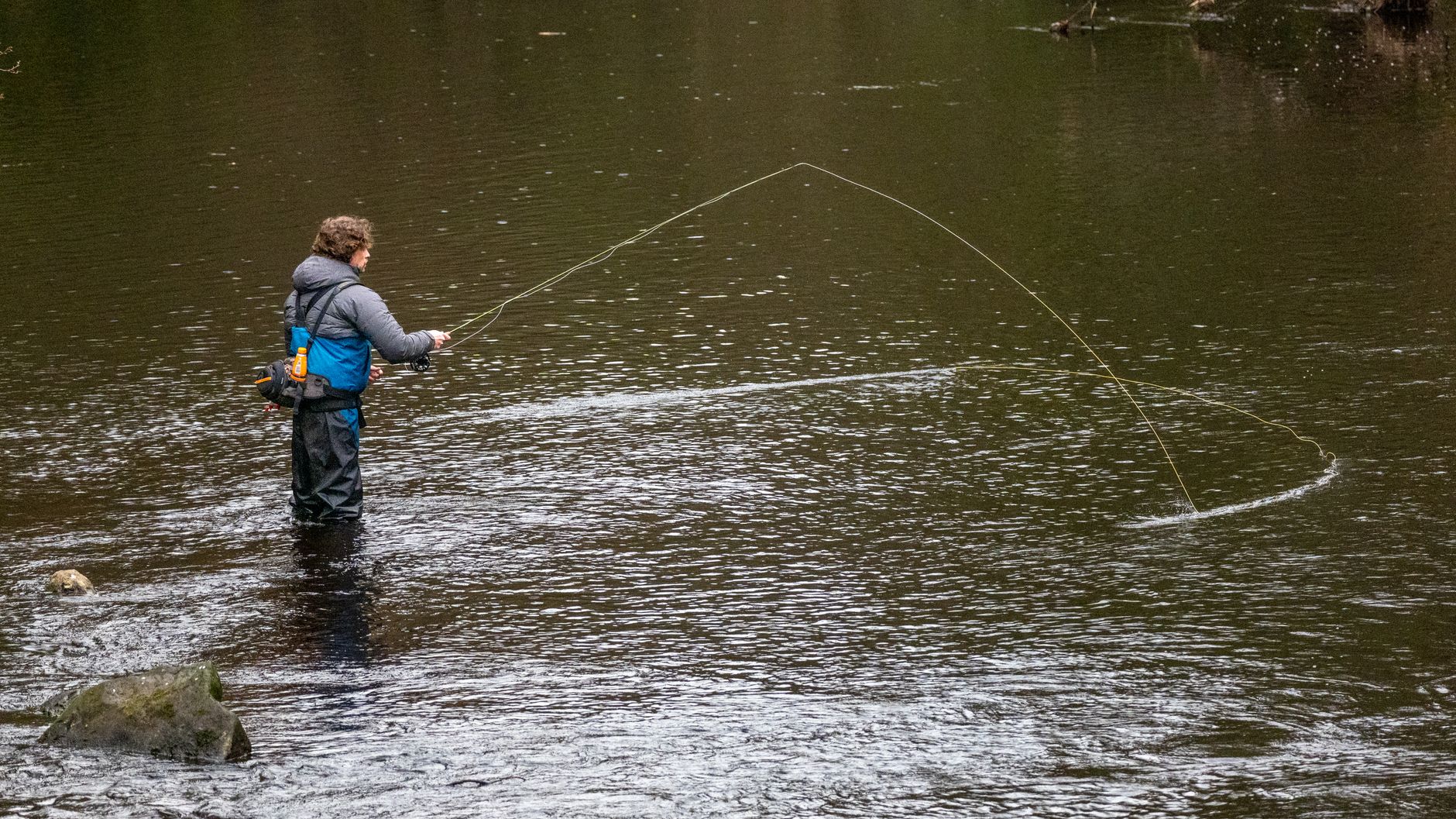
"To catch rainbow trout, you want to find sections of water that have ample food sources and don't make them expend too much energy,"

Mooers recommends a progressive approach when exploring new fishing locations, suggesting anglers work through different sections methodically. "Start by fishing near arrow 1. If that doesn't produce fish, let your fly drift toward arrow 2. If those don't work, strip your fly through the pool toward arrow 3," he advised. This systematic exploration allows anglers to thoroughly test waters without creating excessive disturbance that might spook nearby fish.
The appeal of moving water fishing extends beyond just the prospect of catching fish—it offers a dynamic challenge that keeps anglers engaged. "Deciphering the current, presentation, and necessary flies is a challenge all trout anglers love," Mooers noted. Unlike still water fishing, rivers and streams provide constantly changing conditions that require adaptability and skill, making each fishing experience unique.
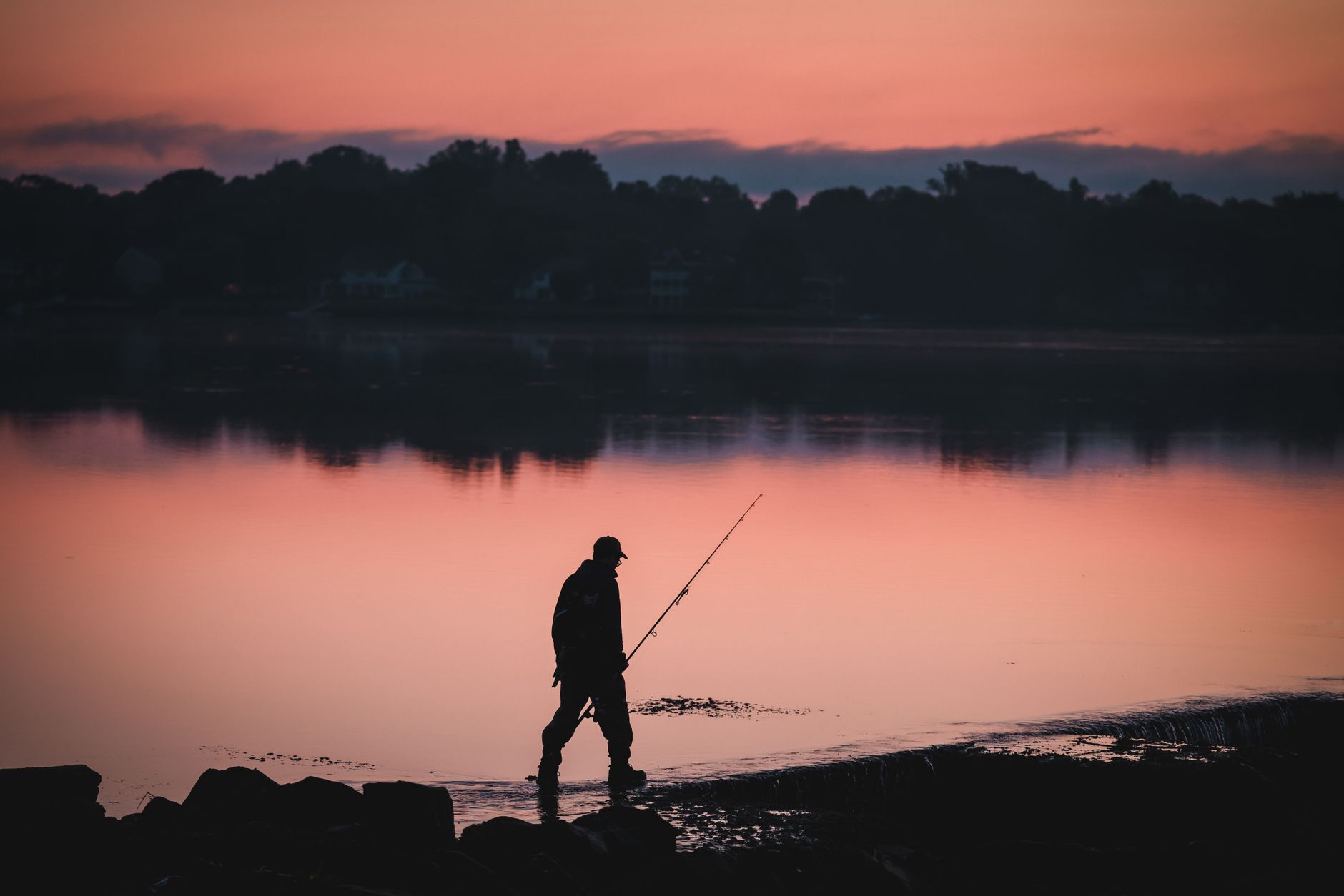
"Deciphering the current, presentation, and necessary flies is a challenge all trout anglers love,"
When targeting pools—those slower water sections typically found between faster-moving riffles—Mooers emphasizes the importance of strategic sectioning. These productive areas shouldn't be approached haphazardly, as doing so can ruin the entire spot's potential.
"Trying to fish the pool all at once might ruin it. I like to start at the front of the pool. I'll cast my fly into the riffle and let it naturally drift into the front section," Mooers explained. This approach mimics natural food sources entering the pool, creating a realistic presentation that doesn't alarm wary trout.
Patience plays a crucial role in this technique. "I let my fly drift for a few seconds into the front section of the pool and then let it swing across. As it swings, I wait for a strike. If nothing happens, I'll make a few hard strips toward myself," Mooers detailed. This combination of natural drift and active retrieval often triggers strikes from fish that might otherwise ignore static presentations.
If the front section proves unproductive, Mooers advocates moving systematically to the middle and back portions of the pool. "At this point, my fly usually stops moving because the water is almost still. I'll let it fall towards the bottom and then make a few strips. Usually, I'll get a flash or a chase," he explained, highlighting how different pool sections require varied presentation techniques.
Cut banks represent another prime rainbow trout location, formed through years of water erosion that creates underwater caverns and overhangs. "Cut banks are made from dirt and clay. They look like they extend into the water, but if you look closely, you'll see a big gap carved out from years of flowing water underneath them," Mooers described.
These formations attract larger trout seeking both shelter and the steady food supply that naturally accumulates in these protected areas. However, fishing these spots requires specialized casting techniques to effectively reach fish holding in tight quarters.
"To fish these, fly as far under the bank as possible. You often have to keep your false casts right above the surface, and when you follow through, keep the rod tip low," Mooers advised. The challenge lies in accurate fly placement while maintaining natural presentation in confined spaces.
For extremely tight spots, Mooers suggests alternative casting methods: "You can also bow and arrow your flies under these banks. You must get close to the bank and keep your fly low to do this." This technique, borrowed from traditional archery, allows precise fly placement in areas where conventional casting would be impossible.
Successful rainbow trout fishing ultimately comes down to understanding fish behavior and habitat preferences while employing diverse techniques suited to varying water conditions. Mooers' systematic approach demonstrates that consistent success requires more than luck—it demands careful observation, methodical execution, and the flexibility to adapt techniques to specific situations.
Whether working pools, probing cut banks, or exploring other promising locations, anglers armed with these proven strategies can approach rainbow trout fishing with greater confidence and improved success rates, ready to tackle one of freshwater fishing's most exciting challenges.