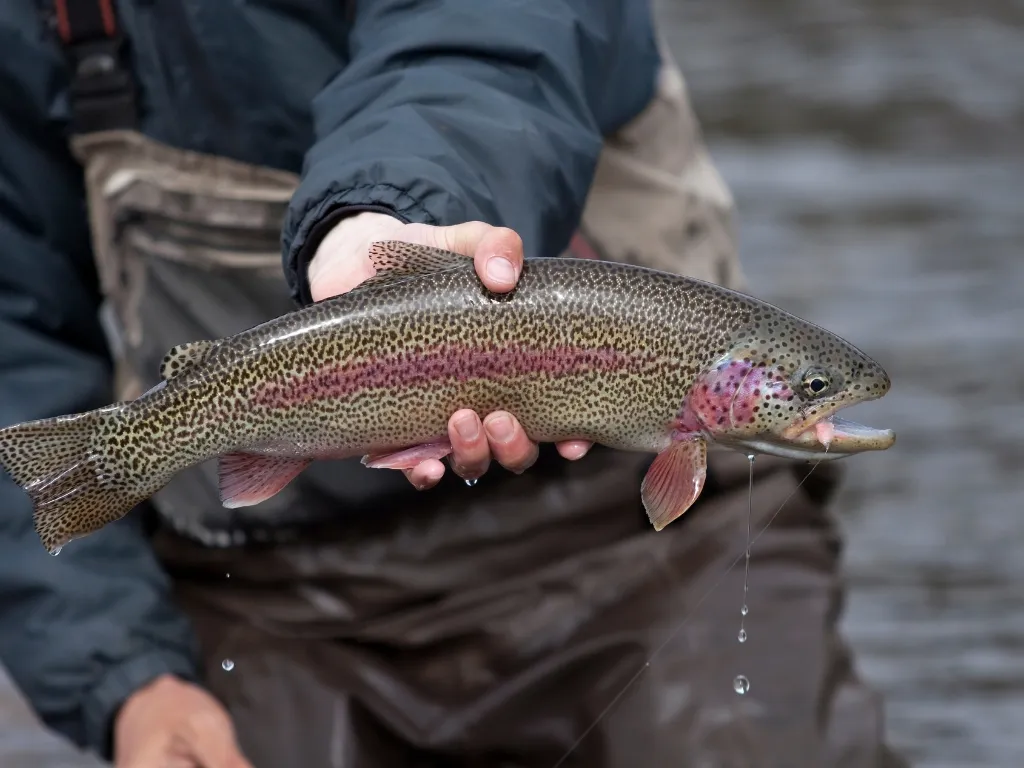
After nearly four decades of fishing Saskatchewan's diverse waters, veteran anglers Greg and Gord Prokopetz have distilled their rainbow trout expertise into one fundamental principle: think light.
"The biggest secret to catching more rainbow trout is to think light," explained an experienced angler, emphasizing a philosophy that challenges the heavy-tackle approaches many fishermen default to. This counterintuitive strategy stems from understanding rainbow trout behavior—these fish possess exceptionally keen eyesight and spook easily when they detect thick fishing lines or oversized [lures](/gear/fishing-lure) cutting through their territory.
"The biggest secret to catching more rainbow trout is to think light,"
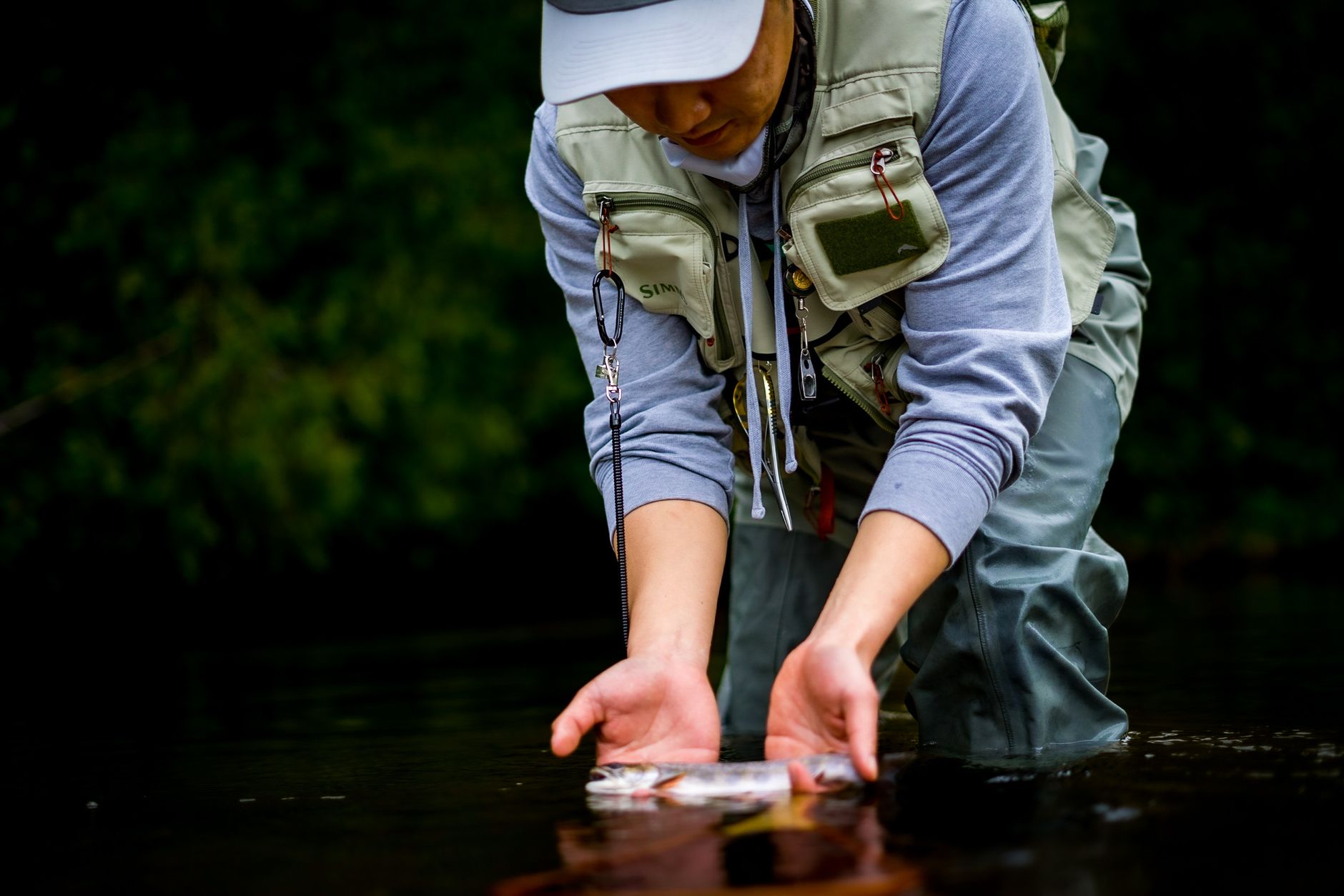

The light-tackle approach isn't just about stealth; it transforms the entire fishing experience. When rainbow trout strike lighter gear, anglers experience a more thrilling battle that showcases the fish's legendary fighting spirit. This technique has gained traction among both novice and veteran fishermen seeking to improve their success rates while maximizing the excitement of each catch.
**Reading the Water: Where Rainbow Trout Hide**
Success begins long before casting a line. Understanding where rainbow trout prefer to spend their time dramatically increases an angler's odds of success. In streams and rivers, these fish consistently seek refuge from strong currents, making calm waters behind large rocks, deep pools, and shaded areas under overhanging banks prime fishing real estate.
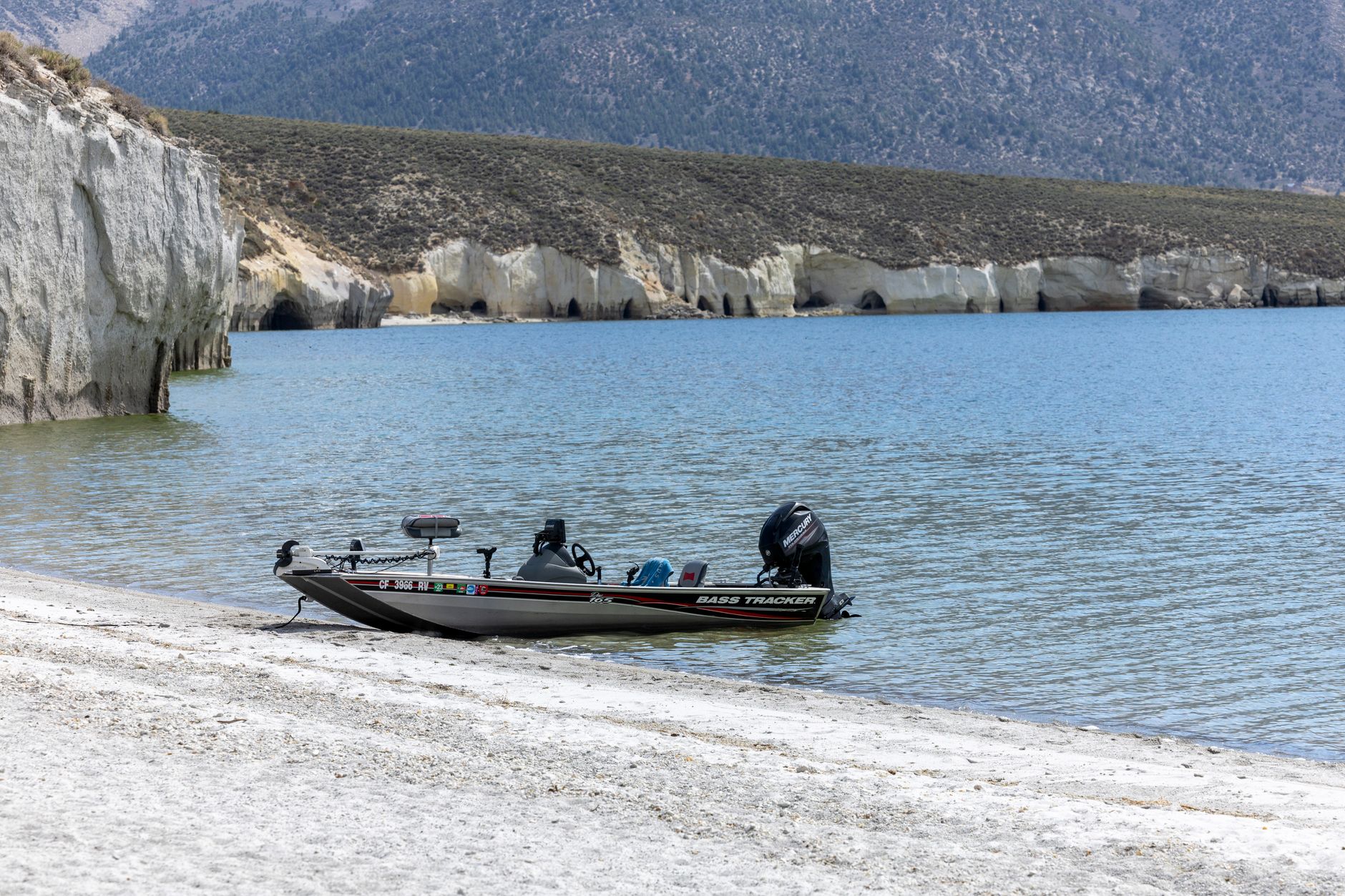
Lake fishing presents different opportunities. Rainbow trout gravitate toward drop-offs, weed beds, and rocky outcroppings that serve dual purposes as both shelter and feeding grounds. "Our team has spent decades exploring these waters," noted one longtime local expert, highlighting how accumulated knowledge of specific water features can make the difference between a successful outing and going home empty-handed.
"Our team has spent decades exploring these waters,"
Current Season
Current Season
Current Season
This habitat knowledge becomes particularly crucial when considering that rainbow trout behavior varies significantly between flowing and still waters. River trout often position themselves strategically to ambush food carried by the current, while lake trout may patrol deeper waters or cruise shoreline structures depending on time of day and seasonal conditions.
**The Equipment Edge: Why Light Tackle Works**
The gear selection philosophy centers on matching equipment sensitivity to trout behavior. "Rainbow trout have excellent eyesight and can easily be spooked by thick fishing line," emphasized an expert angler, explaining why many traditional fishing approaches fail with these wary creatures.
"Rainbow trout have excellent eyesight and can easily be spooked by thick fishing line,"
Light, sensitive fishing line serves multiple purposes beyond stealth. It provides better tactile feedback, allowing anglers to detect subtle bites that might go unnoticed with heavier tackle. This sensitivity proves crucial when rainbow trout exhibit tentative feeding behavior, particularly in heavily fished waters where the fish have grown increasingly cautious.
The psychological aspect of light tackle fishing shouldn't be overlooked. When every fish feels like a significant challenge, anglers naturally become more attentive to technique refinement and environmental awareness, ultimately improving their overall fishing skills.
**Bait and Lure Selection: Matching Natural Preferences**
Fortunately for anglers, rainbow trout aren't particularly selective eaters, accepting a wide variety of natural baits and artificial lures. Traditional baits continue proving their effectiveness: small minnows mimic the baitfish trout encounter naturally, while corn and salmon eggs show particular success with stocked trout that may retain feeding memories from hatchery environments.
Nightcrawlers remain a versatile choice, appealing to trout across different water types and conditions. Their natural movement in water triggers predatory instincts while providing scent trails that help trout locate offerings even in murky conditions.
Among artificial lures, small inline spinners dominate expert recommendations. "A smooth, steady retrieve is key to making the spinner's blade flash and attract fish," noted a seasoned local angler. The spinner's effectiveness lies in its ability to create both visual and vibrational attraction, appealing to multiple trout senses simultaneously.
"A smooth, steady retrieve is key to making the spinner's blade flash and attract fish,"
Pairing these lures with quality spinning reels enhances the technique significantly. The smooth drag systems and precise casting control that modern spinning reels provide complement the finesse approach that rainbow trout fishing demands.
**Technique Refinement: The Art of Adaptation**
Successful rainbow trout fishing requires constant experimentation and adaptation. "Trying different methods is the best way to learn what the fish want," advised an experienced fisherman, acknowledging that conditions change rapidly and fish preferences can shift throughout a single fishing session.
"Trying different methods is the best way to learn what the fish want,"
This adaptive approach contrasts sharply with techniques used for larger species like sturgeon, where power and heavy tackle dominate. Rainbow trout fishing demands finesse—subtle presentations, gentle fighting techniques, and patient observation of fish behavior patterns.
The learning curve involves understanding how weather, water temperature, time of day, and seasonal changes affect trout activity. Successful anglers develop the ability to read these variables and adjust their approach accordingly, whether that means switching from surface presentations to deeper techniques or changing retrieve speeds to match fish activity levels.
**The Lasting Appeal**
Rainbow trout fishing offers something increasingly rare in modern outdoor recreation: an activity equally accessible to beginners and rewarding for experts. The fish's vibrant colors and spirited fights create memorable experiences that keep anglers returning to the water.
"Catching rainbow trout is always a memorable experience," reflected an avid angler after a successful outing, capturing the sentiment that drives this enduring passion. With proper technique and understanding of trout behavior, these strategies can transform frustrating fishing trips into consistently rewarding adventures.
"Catching rainbow trout is always a memorable experience,"
The Prokopetz brothers' decades of experience, shared since 1985, demonstrate that rainbow trout fishing success comes not from expensive equipment or secret locations, but from understanding fish behavior and adapting techniques accordingly. Their light-tackle philosophy represents a return to fishing fundamentals that prioritize skill development over gear accumulation.